

































Understanding Skin Elasticity and Aging After 40
Biological Changes Affecting Skin Firmness
As we pass the age of 40, our skin undergoes significant biological changes that directly impact its elasticity. The natural production of collagen and elastin — the proteins responsible for skin’s firmness and flexibility — starts to decline. This slowdown results in skin that feels thinner, less supple, and often more prone to sagging. Additionally, the skin’s ability to retain moisture diminishes, which can amplify the appearance of fine lines and wrinkles. These changes are a normal part of aging but can be managed with an appropriate skincare approach.
Importance of Moisturizers in Mature Skincare
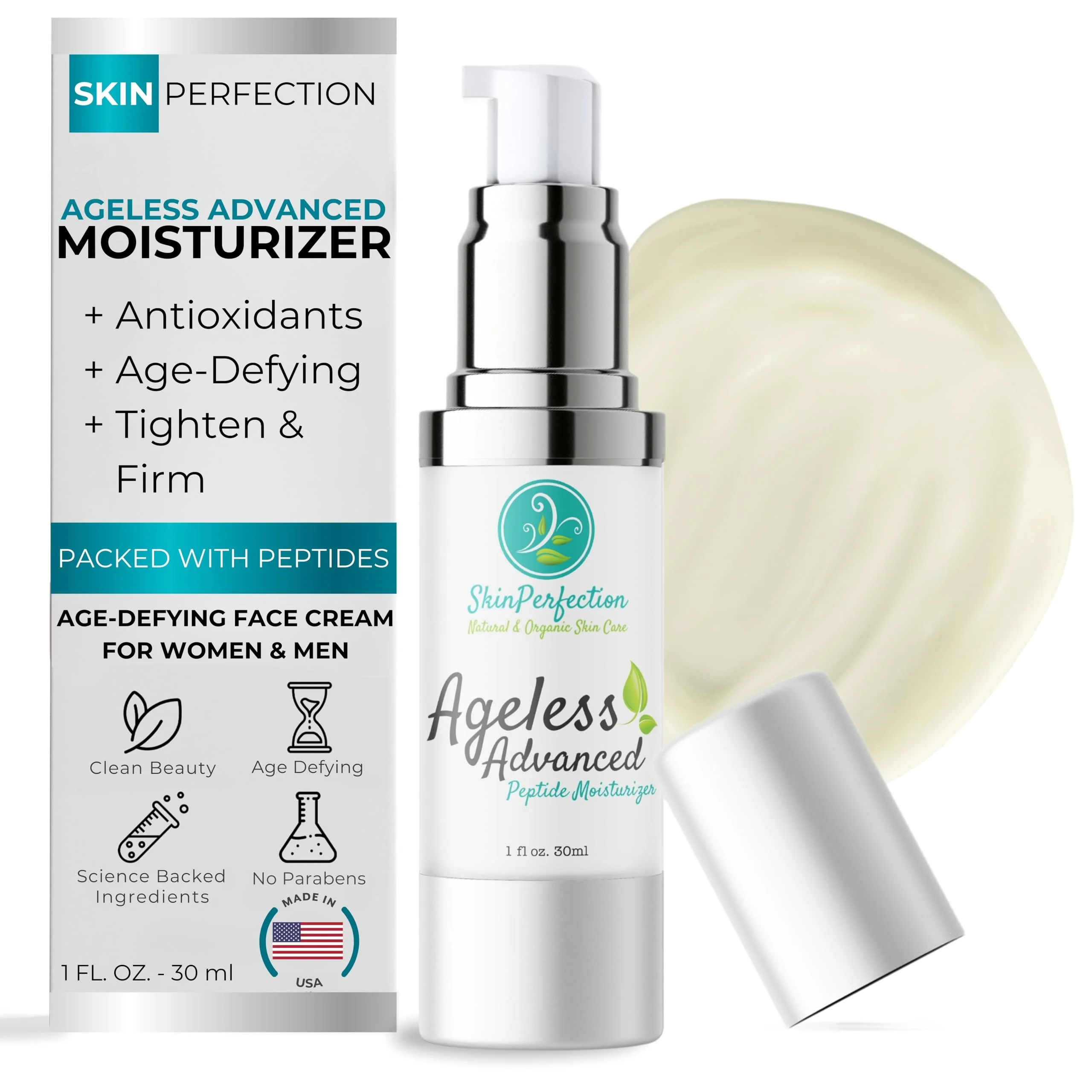
Moisturizers play a pivotal role in maintaining skin’s health and elasticity as we age. Beyond simply adding hydration, the best moisturizers for skin over 40 should aid in supporting collagen production and offer protection against environmental stressors that accelerate aging. A well-formulated moisturizer helps restore the skin’s moisture barrier, keeping it resilient and plump. Without this essential support, mature skin can become dry, flaky, and lose its youthful bounce, making moisturizers a critical element of an effective skincare routine.
Key Ingredients That Boost Skin Elasticity
Collagen-Boosting Components

Ingredients that stimulate collagen synthesis are fundamental when it comes to improving skin elasticity. Certain compounds work by encouraging skin cells to produce more collagen or by protecting existing collagen from breakdown. These components indirectly restore the skin’s structure, enhancing firmness and smoothing out creases. Incorporating such ingredients into over-the-counter moisturizers ensures that aging skin gets the necessary support it needs to stay resilient and youthful-looking.
Hydrating Agents That Improve Skin Texture
Hydration is crucial for maintaining a smooth skin texture and supple feel. Hydrating agents lock in moisture and create a plump surface that softens the appearance of aging lines. Superior moisturizers include humectants, which draw water into the skin and help maintain this hydration long-term. With aging, the skin’s natural ability to retain water decreases, making these ingredients indispensable for improving overall texture and elasticity.
Antioxidants for Protecting Skin Integrity
The skin is constantly exposed to environmental factors such as UV rays and pollution, which generate free radicals that degrade collagen and elastin. Antioxidants neutralize these harmful molecules, preserving skin integrity and slowing signs of aging. Including potent antioxidants in moisturizers not only helps prevent further damage but also supports the skin’s repair processes. This dual action is vital for mature skin to maintain strength and vitality.
Top Over-the-Counter Ingredients to Look For
Retinoids and Their Role in Skin Renewal
Retinoids are among the most studied and effective ingredients for promoting skin renewal. They accelerate cell turnover and stimulate collagen production, addressing many signs of aging including loss of elasticity. However, it’s important to introduce retinoids gradually to your routine — starting with low concentrations and using them only a few times a week initially — to minimize irritation. Also, because retinoids increase photosensitivity, daily sunscreen use is essential when incorporating them into your skincare.
Peptides: Building Blocks of Firm Skin
Peptides are short chains of amino acids that signal the skin to produce more collagen and elastin. Their gentle nature makes them particularly suitable for sensitive or mature skin that may not tolerate stronger actives like retinoids. Regular use of peptide-enriched moisturizers can lead to firmer, more elastic skin over time by enhancing the skin’s natural repair mechanisms without causing irritation.
Hyaluronic Acid for Deep Moisturization
Hyaluronic acid is a remarkable hydrating agent known for its ability to hold up to 1,000 times its weight in water. It penetrates deeply to restore moisture and maintain skin plumpness, which is crucial for minimizing the appearance of fine lines caused by dryness. For skin over 40, hyaluronic acid-based moisturizers are a must as they help replenish the skin’s moisture reservoir and keep the surface soft and supple.
Vitamin C: Enhancing Collagen Synthesis
Vitamin C is a powerful antioxidant that not only protects skin from environmental damage but also boosts collagen synthesis. Using a moisturizer or serum containing 10 to 20 percent vitamin C in the morning can improve skin elasticity and brighten dull complexion. Applying it under sunscreen amplifies UV protection, making vitamin C a perfect partner in a mature skincare routine focused on skin firmness and overall health.
How to Choose the Right Moisturizer for Your Skin Type
Evaluating Ingredient Concentrations
Choosing a moisturizer isn’t just about picking popular ingredients; the concentration of these ingredients matters greatly. For example, vitamin C products with concentrations between 10 to 20 percent are ideal for effectiveness without causing irritation. Similarly, retinol formulations starting at low percentages help your skin adjust without overwhelming it. Always read labels carefully to find a product with ingredient strengths suited to your skin’s tolerance and aging concerns.
Considering Sensitivity and Allergies
As skin ages, it can become more sensitive and prone to irritation. If you have sensitive skin or allergies, it’s wise to select moisturizers free from parabens, fragrance, and heavy oils that may clog pores or cause reactions. Peptides can be a safer anti-aging alternative to retinoids if irritation is a concern. The moisturizer’s texture is another consideration—lightweight formulas often absorb better and feel more comfortable daily, especially for combination or oily skin types.
Application Tips for Maximizing Moisturizer Benefits
Best Practices for Evening and Morning Routines
To get the most out of your moisturizer, consistency and timing are key. At night, applying retinoid-containing products one to two times a week initially helps the skin gradually adapt and encourages overnight renewal. In the morning, layering vitamin C under your sunscreen enhances protection and supports collagen. Always apply moisturizer to clean skin, allowing active ingredients to penetrate effectively. Adjust your routine as your skin changes to ensure it continues getting the support it needs.
Complementary Skincare Habits to Support Elasticity
Improving skin elasticity isn’t solely about choosing the right moisturizer. Complementing your routine with daily sunscreen use is critical—it prevents up to 80% of visible facial aging by shielding collagen and elastin from UV damage. Incorporating gentle cleansers and avoiding harsh soaps also protects the moisture barrier. Lastly, consider using peptide serums after cleansing to further encourage firmness throughout the day or night. Together, these habits build a solid foundation for resilient, youthful skin after 40.

