

































Understanding Skin Undertones Before Choosing Concealer
What Are Skin Undertones?
Skin undertones refer to the subtle hues that lie beneath the surface of your skin. Unlike your skin tone, which can change with sun exposure and other factors, undertones remain consistent. They influence how colors look on your face, including makeup, clothing, and accessories. Understanding your undertone is essential when choosing concealer because it helps ensure the product blends seamlessly with your natural complexion.
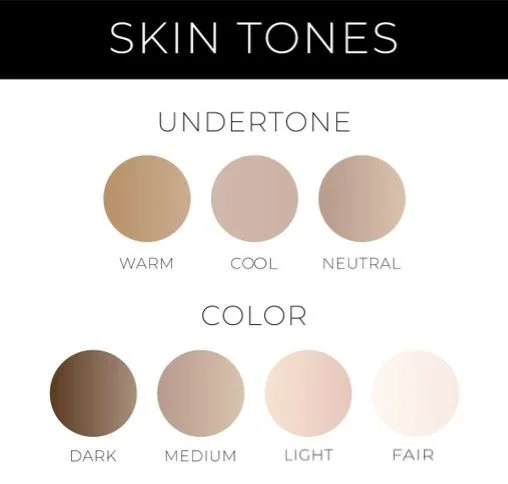
Types of Skin Undertones: Cool, Warm, and Neutral
There are three primary categories of undertones: cool, warm, and neutral. Cool undertones tend to have hints of blue, pink, or red beneath the skin. Warm undertones are characterized by yellow, golden, or peachy hues. Neutral undertones fall somewhere in between, often combining aspects of both cool and warm tones. Knowing which category your skin falls into lays the foundation for selecting the right concealer shade that complements and enhances your natural look.
Methods to Identify Your Skin Undertone
Determining your undertone may seem tricky, but there are simple, step-by-step tests you can perform at home. One popular method is the vein test: look at the veins on the underside of your wrist. If they appear greenish, that indicates you likely have a warm undertone. Blue or purplish veins suggest cool undertones, while veins that closely match your skin color point to a neutral undertone. Another effective approach is the white t-shirt test — try wearing a plain white shirt and observe how your skin appears. If your skin looks yellowish under white, you have a warm undertone; a pink or rosy cast suggests cool undertones, while a flattering appearance without washing out your complexion signals neutral undertones. You can also consider how different jewelry affects your look. Gold jewelry tends to enhance warm undertones, silver complements cooler tones, and if both metals suit you equally, your undertone is likely neutral.
Matching Concealer Shades to Undertones
Best Concealer Colors for Cool Undertones
For those with cool undertones, concealers with a slight pink or rosy base are generally the most flattering. These shades help to neutralize any sallowness or yellow cast that could make your skin appear dull. When selecting a concealer, look for products labeled with pink, rose, or cool tones. Avoid concealers that are too yellow or orange, as they may clash with your natural undertones and look unnatural after application.
Best Concealer Colors for Warm Undertones
Warm undertones benefit most from concealers featuring golden or peach undertones. These shades brighten the complexion and blend naturally with your skin’s inherent warmth. Peachy tones, in particular, are excellent for masking dark circles and discoloration since they counterbalance blueish shadows commonly found around the eye area. Choosing a concealer that reflects the warmth of your skin ensures a cohesive and radiant finish.
Best Concealer Colors for Neutral Undertones
If you have neutral undertones, you enjoy a wider range of concealer options. Shades with a balanced mix of pink and yellow tones typically complement your skin best. Neutral undertones allow you to experiment with both warm and cool concealers, depending on your specific needs or mood. It’s wise to test and adjust your concealer shade to find the perfect blend that doesn’t lean too pink or yellow but instead mimics your natural undertone effortlessly.
Special Considerations for Different Skin Tones
Light Skin Tones: Concealer Tips and Tricks
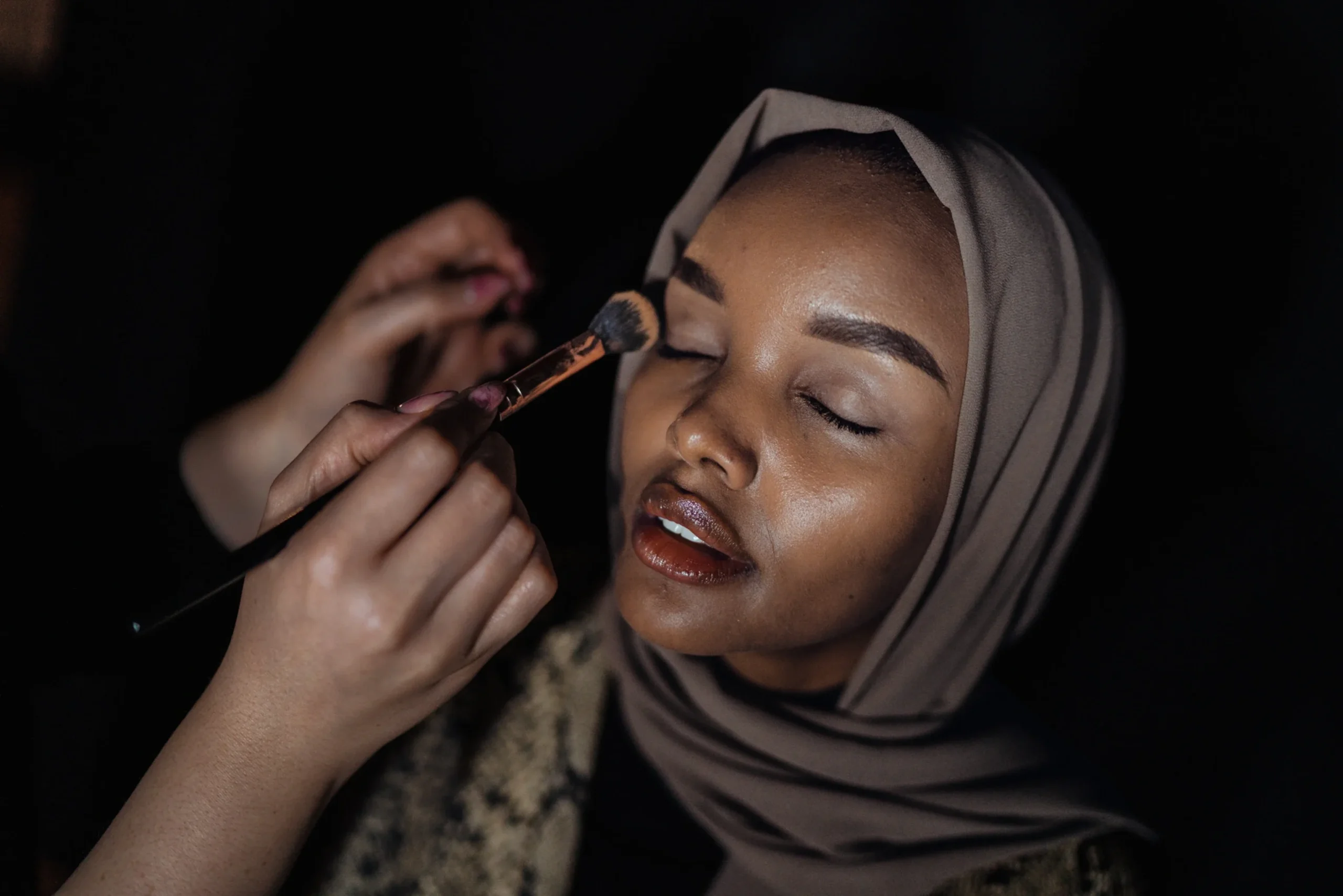
When working with light skin tones, subtlety is key. Your concealer should be close to your skin tone to avoid drawing unnecessary attention to imperfections. Generally, a concealer one or two shades lighter than your base foundation works well to brighten under the eyes without appearing stark or artificial. It’s important to choose a formula that doesn’t cake or settle into fine lines, as this can be more noticeable on lighter skin. For added precision, consider using a small brush to apply concealer only where needed, then blend softly.
Medium Skin Tones: How to Avoid Common Mistakes
Medium skin tones often face the challenge of finding concealers that neither appear too light nor too dark. A common mistake is reaching for concealers that are too bright, which can create a contrasting mask effect. Instead, aim for shades with warm or peach undertones that complement your natural complexion. It’s also beneficial to have multiple concealer shades on hand to accommodate different areas of your face, such as a lighter one for under-eye highlighting and a deeper one for blemish coverage. Testing concealers in natural lighting will help prevent mismatches and ensure a flawless blend.
Deep Skin Tones: Finding Shades That Truly Match
Deep skin tones require concealers rich in pigmentation with undertones that enhance rather than wash out your natural color. Look for concealers with red, orange, or mahogany undertones, which effectively counteract dark circles and hyperpigmentation often found in darker complexions. It’s essential to avoid concealers that are too pale or ashy, as they can create an unflattering, unnatural contrast. Since undertones vary widely in deeper skin tones, sampling several shades and blends to match your unique undertone is highly recommended.
Practical Guide to Testing and Applying Concealer
How to Swatch Concealer Correctly
Testing concealer shades before purchase is crucial to ensure a harmonious match. Start by applying small swatches of potential concealer shades along your jawline or the inner corner of your eye. This area provides a good match to both your face and under-eye skin. Allowing the product to settle for a few minutes helps you see its true color once it oxidizes. Compare the swatches in natural daylight to avoid misleading shade perception under artificial lighting. The best match is usually the shade that seems to disappear into your skin rather than sitting on top.
Blending Techniques for a Natural Finish
Once you’ve chosen the right shade, blending is the next critical step. Use your ring finger, a damp sponge, or a soft brush to gently pat and blend the concealer into your skin, avoiding harsh strokes that may remove product. Start in the center of the covered area and work outward, making sure edges are feathered seamlessly into your foundation or bare skin. Proper blending ensures the concealer does not appear cakey or patchy and maintains a natural appearance throughout the day.
Tools and Products to Enhance Concealer Application
Using the right tools can elevate your concealer application significantly. Makeup sponges are excellent for a sheer, airbrushed finish, while fine-tipped brushes provide precision for spot concealing. Setting your concealer with a translucent powder helps prolong wear and prevents creasing, especially for the under-eye area. Additionally, choosing a concealer formula—whether liquid, cream, or stick—that suits your skin type and specific coverage needs will optimize the overall look and comfort.
Additional Tips for Selecting the Perfect Concealer
Considering Coverage Level and Formula Types
Concealers come in various formulas and coverage levels, each suited to different purposes. Lightweight or sheer formulas work well for brightening or subtle coverage, ideal for neutralizing minor redness or dullness. Medium to full coverage concealers are better for masking blemishes or dark circles. Creamy or stick concealers tend to offer more coverage and are often preferred for spot concealing, while liquid formulations blend effortlessly for under-eye brightening. Evaluating your unique needs before purchasing will help you select the most appropriate formula.
Seasonal Changes and Concealer Shade Adjustments
Your skin tone can fluctuate with seasonal changes, becoming lighter in winter and deeper in summer due to sun exposure. To maintain a natural look year-round, it’s important to adjust your concealer shades accordingly. During warmer months, you may need a slightly deeper shade that matches your sun-kissed glow. In colder seasons, a lighter or more neutral shade can complement the paler skin tone. Regularly reassessing your concealer shade helps prevent mismatches and ensures a fresh, blended appearance in all seasons.
How Lighting Affects Concealer Choice
Lighting plays a crucial role in how your concealer appears on the skin. Natural daylight is the most accurate indicator of true color, so always check your makeup in sunlight before finalizing your choice. Artificial lighting, particularly fluorescent or warm indoor lights, can distort color perception, making shades seem too warm or cool. When shopping or applying concealer, position yourself near a window or in a well-lit area to ensure your concealer matches your undertone perfectly and looks natural in everyday environments.

