
































Understanding Teen Mood Swings: A Foundation for Effective Communication
Biological and Emotional Changes During Adolescence
Imagine Sarah, a mother, noticing her usually cheerful son Jake becoming withdrawn and irritable for no clear reason. This is often a natural result of the biological storms raging inside teens. During adolescence, hormonal changes cause fluctuations in neurotransmitters that directly impact mood and behavior. Teen brains are simultaneously developing critical reasoning areas while experiencing heightened emotions, which can feel overwhelming both for teens and their parents. Understanding these biological shifts helps parents realize that mood swings are a developmental phase rather than personal attacks.
Common Triggers for Teen Mood Swings
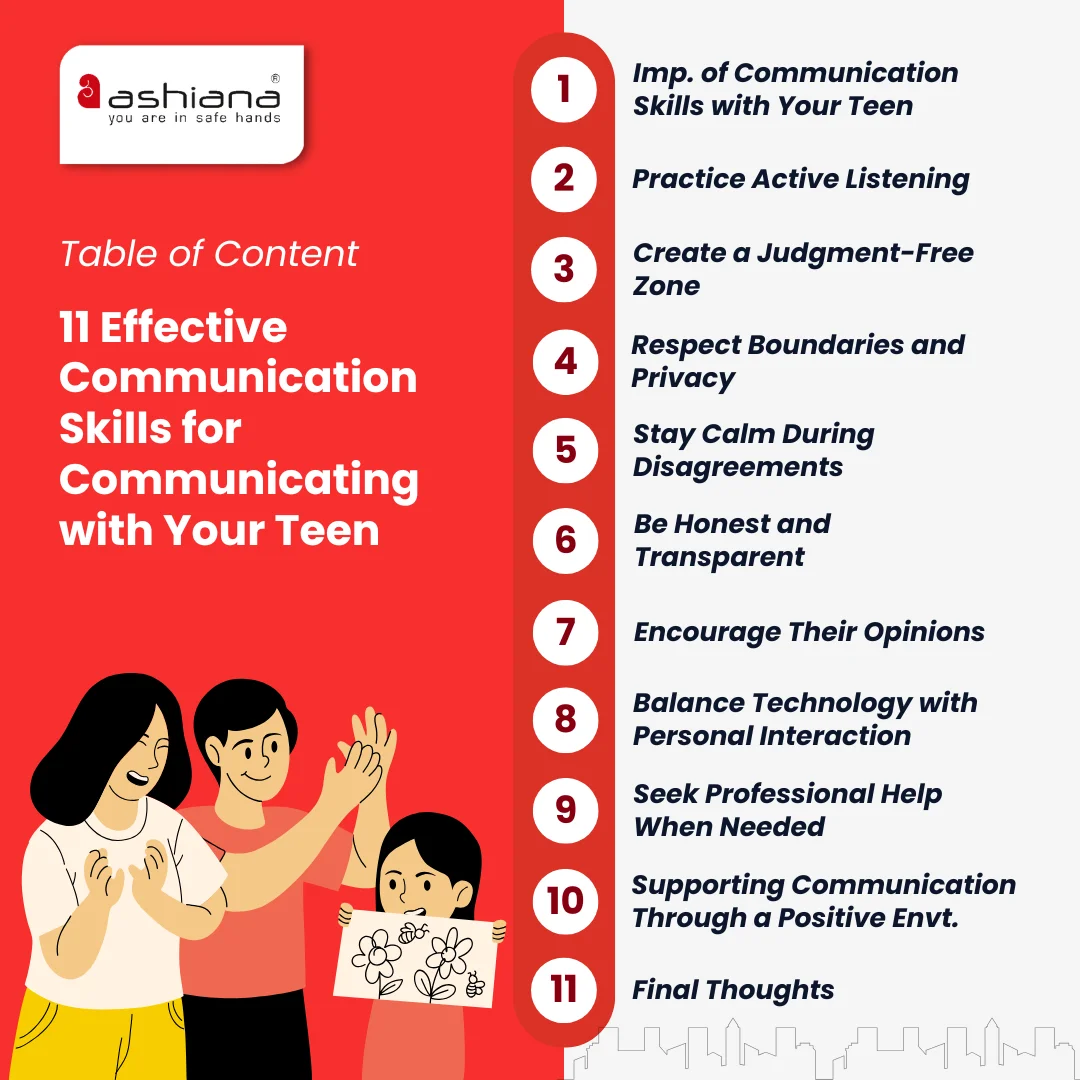
Triggers can range widely, from academic pressures to social challenges. For example, when Emma failed a math test, her frustration was not just about the grade but the fear of disappointing her parents and friends. Sleep deprivation, common among teens juggling late nights on devices and early school starts, often worsens emotional instability. Other times, seemingly minor events such as feeling excluded by peers or conflicts at home ignite strong reactions. Recognizing these triggers allows parents to approach situations with greater patience and insight.
Why Calm Communication Matters in Parenting Teens
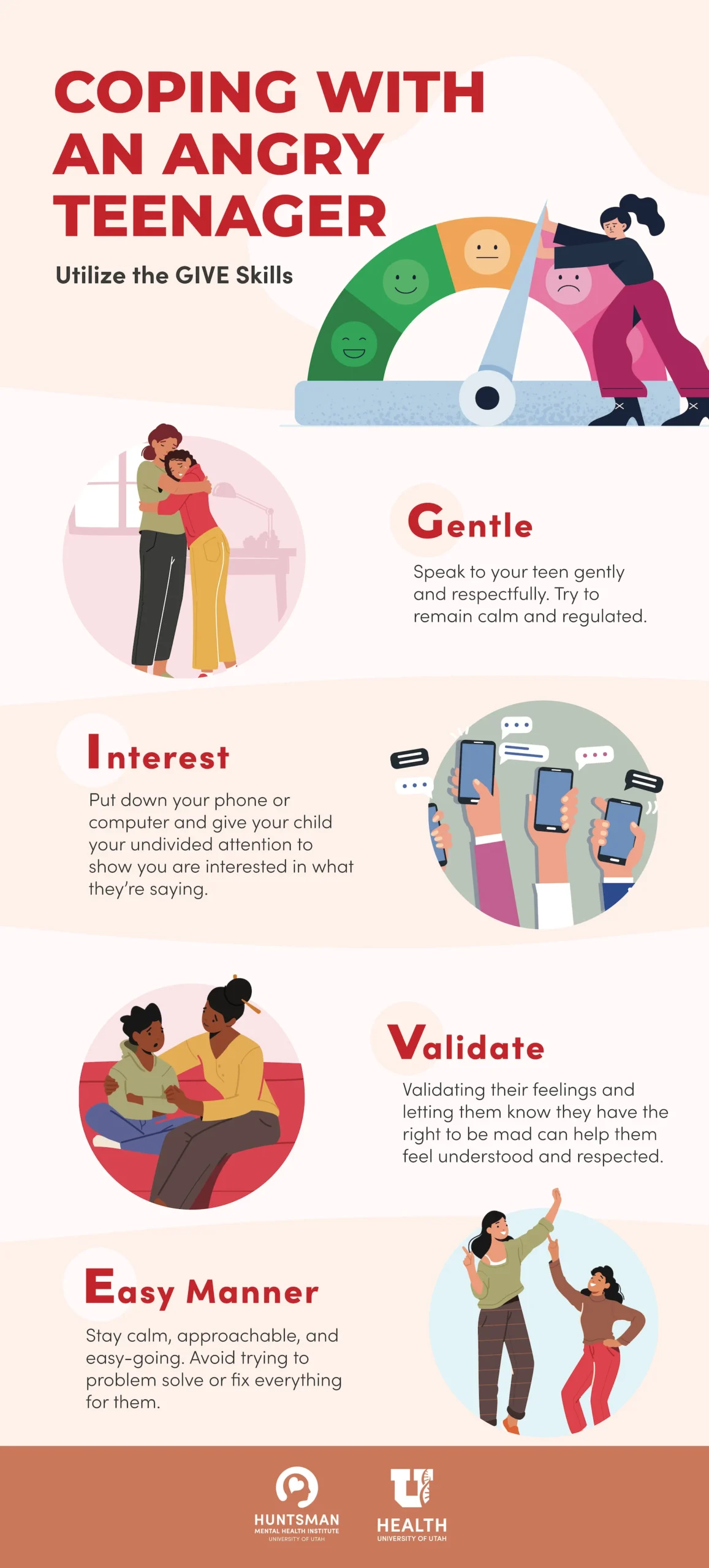
Effective communication during teenage mood swings is like navigating a storm in a small boat—calmness keeps the boat afloat. When parents react with anger or frustration, it often intensifies the teen’s feelings, creating a cycle of conflict. Conversely, staying calm models emotional regulation and provides a safe harbor for teens to express themselves honestly. Jennifer, a parent of a 15-year-old, found that stepping back to breathe before responding to her daughter’s outbursts helped reduce tension and opened doors for dialogue rather than shutdowns.
Essential Communication Skills for Parents
Active Listening and Empathy
Tom, a father, recalls a moment when his son came home upset after a fight at school. Instead of jumping in with solutions, Tom simply listened, nodding and reflecting back his son’s feelings by saying, “It sounds like you felt really hurt when that happened.” This active listening showed empathy and encouraged his son to open up further. Empathy means tuning into your teen’s emotional state without judgment or immediate advice, creating a space where they feel heard and valued.
Using Non-Verbal Cues to Build Trust
Sometimes, what isn’t said speaks louder than words. Maintaining eye contact, adopting a relaxed posture, and nodding can communicate attentiveness and respect. When Maria placed her hand gently on her son’s shoulder during a tense conversation, it broke barriers and made him more willing to share. Parents should be conscious of their body language, as folding arms or avoiding eye contact might unintentionally signal disapproval or impatience.
Choosing the Right Time and Place for Conversations
Timing is everything. Sarah noticed that trying to discuss difficult topics immediately after school often ended in curt replies from her son. Instead, she found that car rides or evening walks provided quieter, less pressurized settings where her teen felt more comfortable expressing thoughts. Large, sudden confrontations right after a teen arrives home may feel like ambushes, leading to defensiveness. Parents benefit from identifying moments when their teens appear more relaxed and open.
Practical Techniques to Manage and Respond to Mood Swings
De-escalation Strategies to Avoid Conflict
When Michael’s 14-year-old daughter slammed the door after an argument, he took a deep breath and counted to ten before responding, preventing the situation from escalating further. Techniques like pausing before replying, lowering one’s voice, or briefly stepping away can prevent conflicts from spiraling. These moments of calm demonstrate patience and prevent both parties from acting on raw emotions.
How to Use Open-Ended Questions Effectively
Rather than asking direct questions like “Why are you so upset?” which can feel intrusive, parents can listen carefully for offhand remarks and gently encourage elaboration. For instance, saying “Tell me more about what happened at school today” invites teens to share on their terms. Open-ended questions foster dialogue without pressure, allowing teens to explore feelings without feeling cornered.
Encouraging Teens to Express Feelings Constructively
Olivia found that engaging in non-verbal activities like cooking or biking together created moments where her teen son felt safe opening up about his frustrations. Separating conversations from discipline helps teens express emotions honestly without fearing immediate consequences. Validating feelings with phrases like “That sounds really tough” can encourage teens to share more deeply, guiding them toward healthier emotional expression.
Building a Supportive Environment at Home
Setting Consistent Boundaries Without Being Overbearing
Consistency gives teens a reliable framework, but it must come with respect and explanation. When Mark explained the reasoning behind curfews to his daughter as a way to ensure her safety rather than just ‘rules to obey,’ she was more willing to abide. Allowing teens to participate in setting goals and choosing consequences encourages responsibility. Striking this balance avoids power struggles and fosters mutual trust.
Promoting Healthy Emotional Expression
Creating a no-phone rule during family meals, as Emily did, opened up time for meaningful conversation and connection. Encouraging positivity, celebrating small achievements, and acknowledging efforts helps offset the natural emotional turbulence of adolescence. Parents should also watch closely for signs of mental health struggles and address them gently, reinforcing that emotional challenges are normal and support is available.
Modeling Calmness and Emotional Regulation
Teens learn a great deal by observing their parents. When David calmly managed his own frustrations during stressful days, his daughter took notice and mirrored that behavior. Modeling emotional regulation teaches teens coping skills that serve them well beyond the adolescent years. Moments of parental calmness can defuse tense situations and guide teens toward healthier ways of handling strong feelings.
When to Seek Professional Help: Signs and Steps
Recognizing When Mood Swings Are Beyond Normal
While mood swings are typical, certain signs suggest deeper issues. For example, when Lisa noticed her son struggled to maintain friendships, experienced frequent school problems, and showed persistent intense feelings with significant changes in eating and sleeping, she trusted her instincts and sought help. Persistent self-esteem issues or behaviors like severe withdrawal deserve professional attention to prevent worsening mental health.
Resources for Parental Guidance and Teen Therapy
Many communities offer family counseling and adolescent therapy programs that provide tailored support. Online resources, parenting workshops, and support groups help parents learn strategies specific to their teen’s needs. Connecting with mental health professionals early can make a profound difference, equipping both parents and teens with tools to navigate challenges more effectively.
Collaborating with Schools and Counselors
Engaging with school counselors opens an important support network for teens. For example, when Nathan’s parents observed his academic decline and mood shifts, collaborating with school staff helped identify stressors and create plans to support him during the school day. Schools often offer resources like peer groups or mentoring that complement professional care, ensuring teens receive holistic guidance.

