

































Understanding the Importance of Independent Homework Habits
How Independence Enhances Learning
Encouraging kids to handle their homework independently is about much more than just relaxing a parent’s workload. When children take ownership of their assignments, they develop crucial skills like time management, critical thinking, and self-discipline. These abilities not only improve their academic success but also foster lifelong habits essential for personal and professional growth. Independent homework time becomes a training ground where children learn to rely on their judgment, test their problem-solving skills, and build confidence in their own capabilities.
Challenges Children Face When Doing Homework Alone
Despite the benefits, tackling homework independently can be daunting for many kids. They may struggle with staying focused, understanding instructions, or figuring out how to break down complex tasks. Feelings of frustration or confusion can quickly derail their motivation. Additionally, the absence of immediate parental guidance might make some children hesitant to proceed, fearing mistakes or failure. Recognizing these challenges is the first step toward helping children find practical ways to overcome them and thrive on their own.
Setting the Foundation for Success
Creating a Dedicated Homework Space
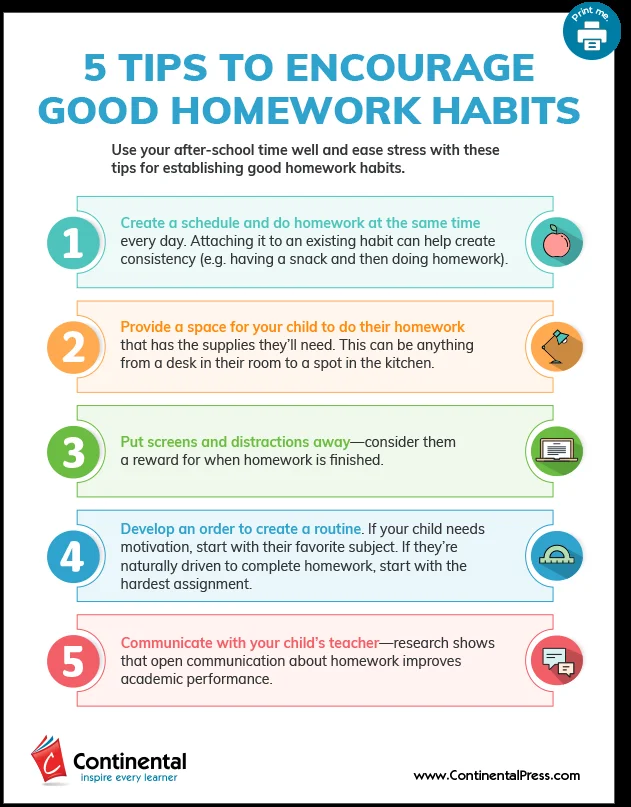
A well-thought-out environment plays a key role in encouraging independent homework habits. Allowing your child to choose a workspace based on their preferences can make a surprising difference. Some kids prefer a quiet corner, while others might thrive in a lively, shared area. Discussing the advantages and drawbacks of various locations helps develop their decision-making skills. If the homework spot is a shared space, keeping all supplies in a portable crate ensures everything they need is at hand, reducing interruptions and inefficiencies.
Establishing a Consistent Routine
Routines are powerful tools for fostering a sense of order and responsibility. Setting a regular homework schedule helps children mentally prepare for their tasks and makes the process predictable. Starting homework immediately after school might work well for some, while others benefit from a short break first. It’s important to observe your child’s natural rhythms and adjust accordingly. Including rituals like reviewing assignments together or talking through the first task can ease the transition from playtime to work.
Tools and Techniques to Foster Independence
Using Timers and Checklists Effectively
Simple tools like timers and checklists can transform homework from a daunting chore into a manageable process. Encourage your child to estimate how long each assignment will take, challenging them to think critically about their workload. Letting them decide whether to set the timer for the full estimated time or less gives a sense of control. During this timed period, it’s beneficial to avoid interruptions, allowing the child to build concentration and test problem-solving skills independently. A monthly calendar or bulletin board can serve as a visual aid to track long-term assignments and deadlines, fostering planning skills.
Introducing Positive Reinforcement Methods
Celebrating effort rather than just results makes a big difference in motivation. When you notice your child focusing, persisting through a difficult problem, or organizing their work well, praise them specifically and enthusiastically. Highlighting what they do right strengthens their belief in their own abilities and encourages consistent progress. Reminding kids of enjoyable activities they can look forward to after homework also makes the process feel less like a punishment and more like a natural part of their day.
Parental Role: Support Without Over-Involvement
Knowing When and How to Intervene
Striking the right balance between offering support and fostering independence is a delicate task. It’s important for parents to clarify their availability for assistance at the start of homework time. This upfront understanding empowers the child to attempt problems on their own before seeking help. Avoid forcing intervention or answering every question immediately; this approach can undermine motivation and create tension. Recognizing the goal of homework as developing autonomy helps parents step back while remaining approachable.
Encouraging Problem-Solving Skills
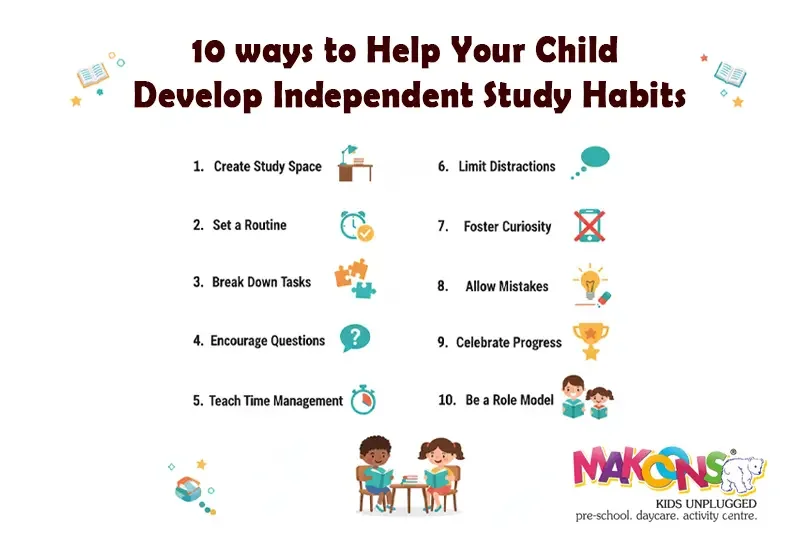
Homework is an opportunity to nurture resilience and creative thinking. When children face challenges, parents can encourage them to pause and consider different ways to approach the problem rather than providing immediate solutions. Asking guiding questions or prompting them to reread instructions builds analytical skills. Encouraging siblings or friends to work alongside each other, with their own assignments, can create a supportive atmosphere without direct parental involvement.
Common Obstacles and Solutions
Dealing with Procrastination
Procrastination is a common hurdle in cultivating independent homework habits. Kids may delay starting their work due to feeling overwhelmed or unsure where to begin. One helpful strategy is discussing the first task of the night together so children feel mentally prepared. Breaking assignments into smaller, manageable parts also makes the workload less intimidating. Reminding children of the rewards awaiting after homework helps maintain motivation and focus.
Managing Distractions at Home
Home environments are filled with potential distractions—from noisy siblings to electronic devices. Creating a dedicated homework zone helps, but it’s equally important to establish clear expectations about minimizing interruptions during homework time. Encouraging children to work alongside siblings or friends who are also focusing on homework can promote concentration through shared effort. Parents should also be mindful of their own activities and avoid engaging the child unnecessarily when the timer is set, preserving a quiet and focused atmosphere.
Tracking Progress and Celebrating Milestones
Using Reward Systems That Motivate
Recognizing achievements, big or small, keeps momentum going. Reward systems don’t have to be elaborate; simply acknowledging progress with praise, stickers, or special privileges can make a lasting impact. Tailoring rewards to what genuinely excites your child encourages a positive association with completing homework tasks. The key is consistency—celebrating milestones reinforces the value of sustained effort and helps transform homework into a fulfilling routine.
Regular Check-Ins Without Micromanaging
Maintaining open communication about homework progress helps parents stay informed without taking over the process. Short, regular check-ins give children the chance to share their successes and challenges, while parents can provide encouragement. It’s crucial to avoid micromanaging or appearing overly controlling, as this can diminish a child’s sense of independence. Instead, creating a supportive dialogue reinforces the idea that homework is their responsibility, with parents acting as cheerleaders and guides when needed.

