































Balancing Remote Work and Homeschooling: Setting the Foundation
Understanding the Dual Role Challenges
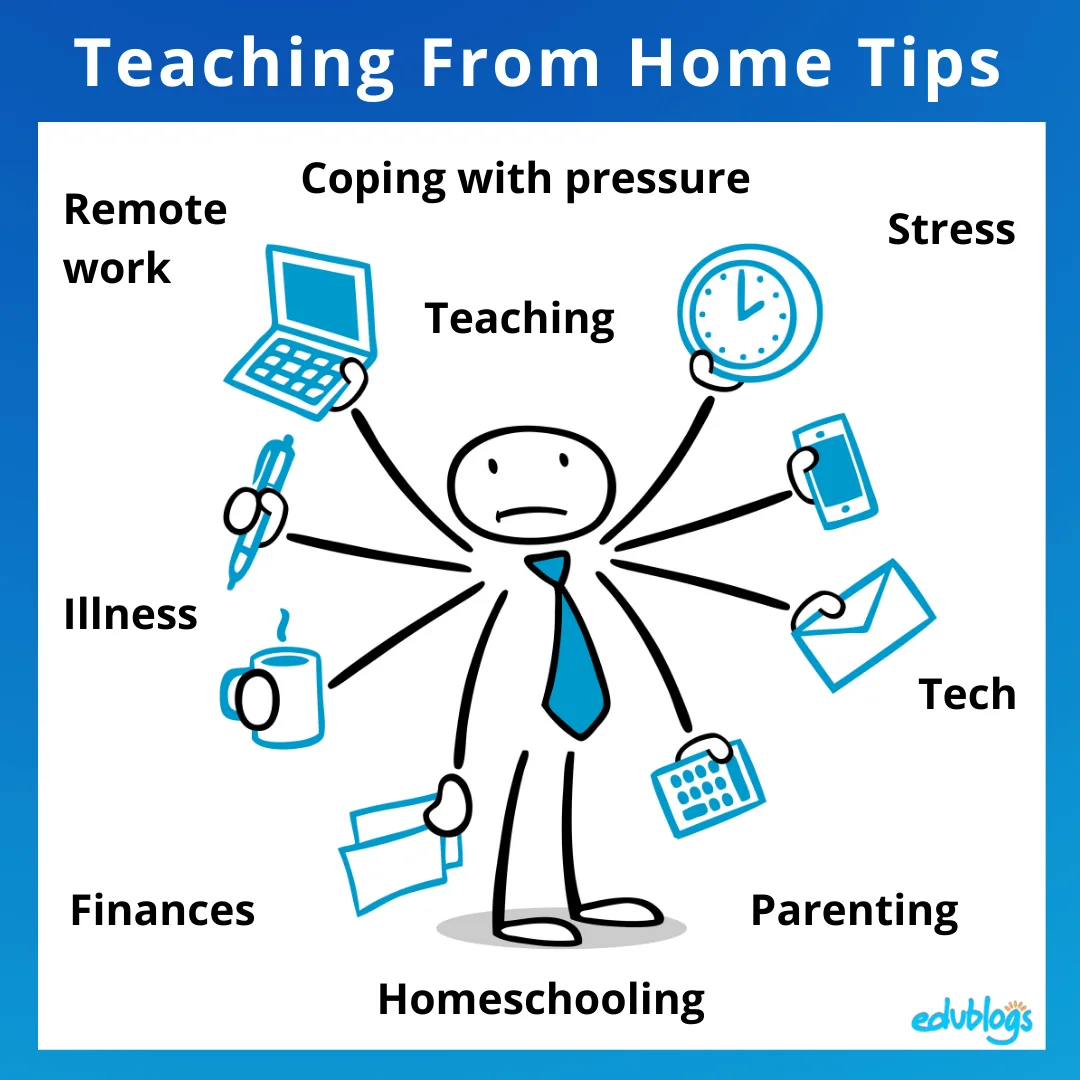
Taking on remote work while homeschooling children presents a unique set of challenges. Parents must juggle professional responsibilities alongside educational duties, often without clear boundaries. Recognizing these challenges early helps in setting realistic expectations. For instance, it’s important to acknowledge that infants and toddlers demand nearly constant attention, which differs greatly from the needs of older children who require more structured support. Accepting the fluid nature of this dual role reduces frustration and allows for more adaptable strategies.

Patience is a key component in this balancing act. Many parents find it takes about a year to fully settle into the rhythm of homeschooling combined with remote work. During this period, it’s normal for routines to fluctuate and for some days to feel overwhelming. Reminding yourself that this adjustment phase is temporary can ease stress and promote a more positive mindset.
Creating a Dedicated Workspace for Productivity
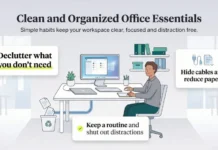
Establishing a specific area for work helps in drawing a clear line between professional time and family time. Physical cues are effective; for example, closing a door or using a baby gate can signal to others that work is in progress. If space is limited, consider creative places like a closet, garage, or even your car to create a quiet work zone free from distractions.
It’s also helpful to designate certain marked areas on tables or desks that serve as “work only” zones, especially if you share space with your children. This physical separation supports focus and signals boundaries to the entire household. Maintaining these zones encourages a mindset switch, making it easier to engage fully in work tasks while children can understand when it’s time for their own activities.
Time Management Strategies for Working Parents
Establishing a Flexible Daily Schedule
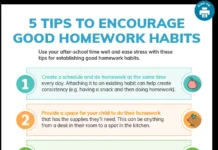
A flexible schedule is fundamental when balancing remote work with homeschooling. While consistency benefits both parents and children, flexibility allows for adjustments based on daily needs. A practical approach involves breaking the day into blocks of focused work time and dedicated educational periods. During work blocks, it’s essential to minimize interruptions, while homeschooling blocks can be tailored to your child’s learning pace and interests.
Maintaining familiar routines, such as morning workouts or breakfast times, offers a sense of normalcy and structure. These routines, carried over from before the COVID-19 pandemic, help anchor the day and provide stability amidst varying demands. When surprises or disruptions arise, returning to these routines can ground both parent and child.
Prioritizing Tasks and Setting Boundaries
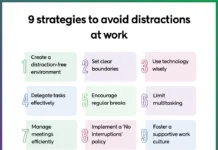
Effective prioritization involves distinguishing between urgent, important, and less critical tasks. Begin each day by listing priorities and identifying time-sensitive deadlines for your work projects. Equally important is setting clear boundaries to protect dedicated work periods. Communicating these boundaries to family members, especially children, fosters respect for your schedule.
When frustration builds, ask yourself whether the expectations placed on both yourself and your children are developmentally appropriate. This self-reflection helps in realigning goals and reduces potential conflicts. Giving yourself permission to pause, take a deep breath, and offer some grace goes a long way in sustaining patience throughout the day.
Tools and Resources to Enhance Efficiency
Technology Solutions for Remote Work
Leveraging technology is essential for optimizing both work and homeschooling tasks. Reliable video conferencing tools, cloud storage, and project management software streamline collaboration and reduce time spent on administrative duties. Ensuring a stable internet connection and having backup devices can prevent interruptions during critical work meetings.
For homeschooling, technology can also provide interactive tools that keep children engaged. Educational apps and online resources complement teaching efforts and offer a variety of learning formats. These tools, when integrated thoughtfully, reduce the burden on parents while maintaining educational quality.
Educational Platforms and Materials for Homeschooling
Choosing the right educational resources can enhance your homeschooling experience. Many platforms provide comprehensive curricula that cover a wide range of subjects and age groups. Hands-on materials, such as science kits or art supplies, foster creativity and practical learning, which are especially useful in keeping children interested.
Exploring community resources like local libraries, online forums, and homeschooling groups can introduce additional materials and support. These platforms often offer ideas for interactive activities, lesson plans, and peer connections that benefit both parents and students.
Engaging Children in Their Learning Journey
Incorporating Interactive and Hands-On Activities
Children learn best when they are actively engaged. Introducing interactive and hands-on activities makes lessons more appealing and memorable. For example, science experiments, arts and crafts, or outdoor nature walks can complement textbook learning. These methods help children apply concepts practically and stimulate curiosity.
Involving children in planning some of their learning activities increases their enthusiasm and ownership of their education. When children have a say in their educational journey, they are more motivated and willing to participate, creating a positive feedback loop that benefits both learning and family dynamics.
Encouraging Independence and Self-Motivation
Fostering independence is a crucial step in managing homeschooling effectively. Teaching children to take responsibility for their assignments and follow a self-directed schedule builds essential life skills. Start with small, manageable tasks and gradually increase complexity as their confidence grows.
Positive reinforcement and celebrating achievements encourage ongoing motivation. When children understand the value of their efforts and see tangible progress, they develop a stronger internal drive. This autonomy also frees up time for parents to focus on work, reducing the need for constant supervision.
Maintaining Mental Health and Wellbeing
Recognizing Stress Signals and Taking Breaks
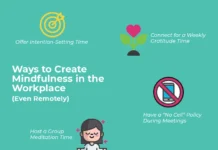
Balancing work and homeschooling can be mentally taxing. It’s important to recognize signs of stress and take intentional breaks. When things go wrong, allowing yourself a moment to breathe deeply and offering self-compassion can prevent burnout. Taking short walks, practicing mindfulness, or simply stepping away for a few minutes refreshes your mind and body.
Encouraging similar habits in children, such as scheduled breaks or quiet time, contributes to a calmer home environment. These pauses help everyone reset, improving focus and emotional resilience throughout a busy day.
Seeking Support and Building a Community Network
No one has to navigate this challenging balance alone. Building a community network of fellow homeschooling and remote working parents provides emotional support and practical advice. Sharing experiences alleviates isolation and introduces new approaches to common difficulties.
Online groups, local meetups, and educational forums are excellent places to connect with others in similar situations. Engaging with a supportive network fosters feelings of belonging and provides encouragement, which enhances overall wellbeing for both parents and children during this demanding time.

