



































Understanding the Importance of Healthy Boundaries with Extended Family
Defining Boundaries in Family Dynamics
Imagine Sarah, who dreads family gatherings because her aunt often criticizes her life choices. This discomfort stems from unclear boundaries within her extended family. Boundaries in family dynamics are the invisible lines that define acceptable behaviors, emotional limits, and personal space between members. Setting these boundaries ensures interactions remain respectful, preserving individual autonomy while nurturing connection.
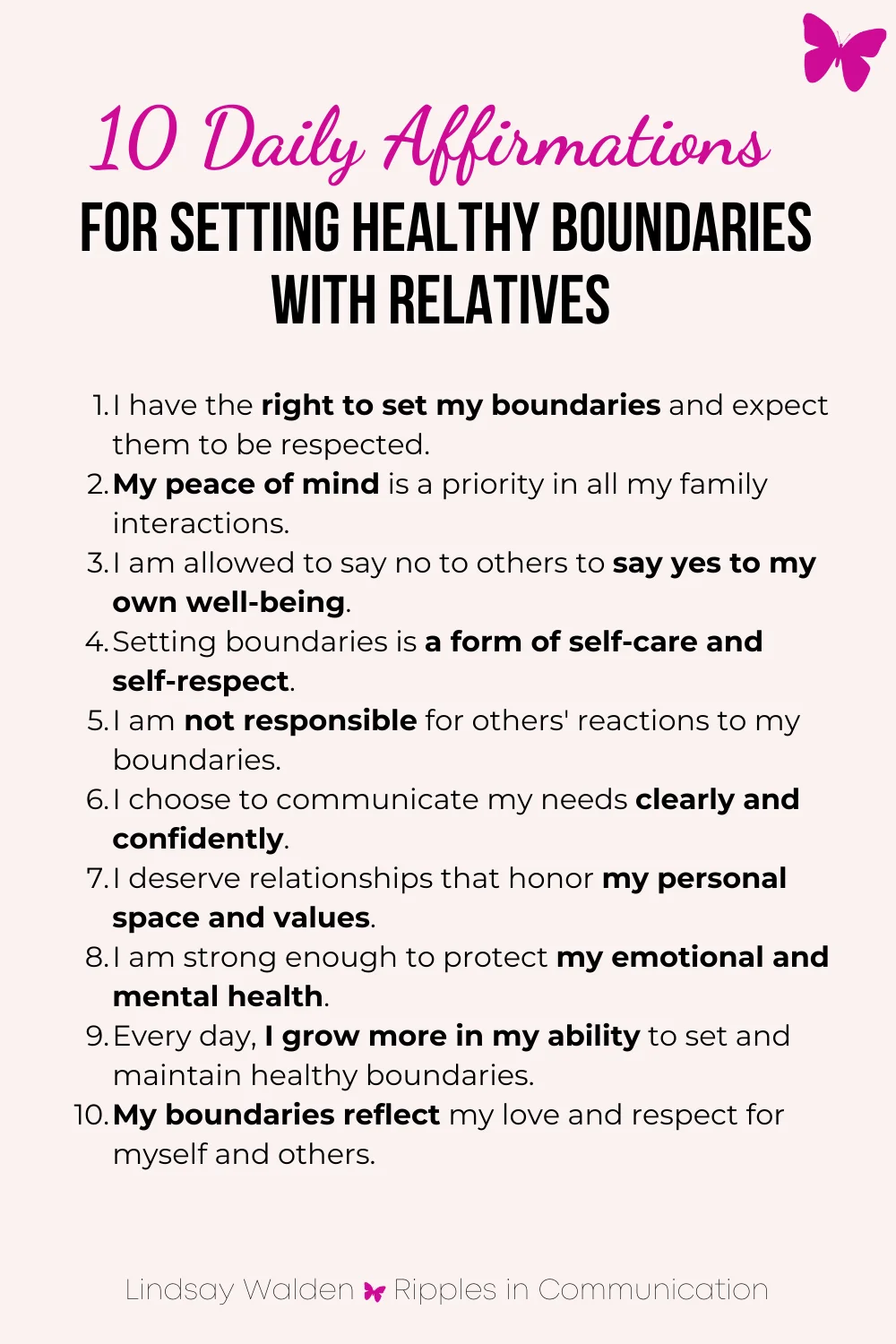
Unlike immediate family, extended relatives often come with varied values and communication styles, making boundaries crucial. They help prevent feelings of overwhelm and resentment, enabling healthier interactions where everyone feels safe and heard.
The Psychological Benefits of Setting Limits
When Jake started limiting his time at weekend family barbecues due to his anxiety triggered by certain conversations, he noticed a marked improvement in his mental well-being. Setting limits with extended family can reduce stress, improve emotional regulation, and foster a sense of control over one’s environment.
Psychologically, boundaries can protect against burnout and emotional exhaustion. They also create space for authentic relationships, built on mutual respect rather than obligation or guilt. In essence, healthy boundaries cultivate healthier minds by minimizing conflict triggers and enhancing personal resilience.
Identifying Your Personal Needs and Limits
Self-Reflection Techniques for Clarity
Before Robert could set boundaries with his intrusive cousin, he spent time reflecting on what situations drained him the most. Techniques like journaling daily family interactions or meditating on emotional responses can illuminate what you specifically need to protect. Trying to change everything at once often leads to frustration, but identifying a few key stress points provides clear targets for boundary setting.
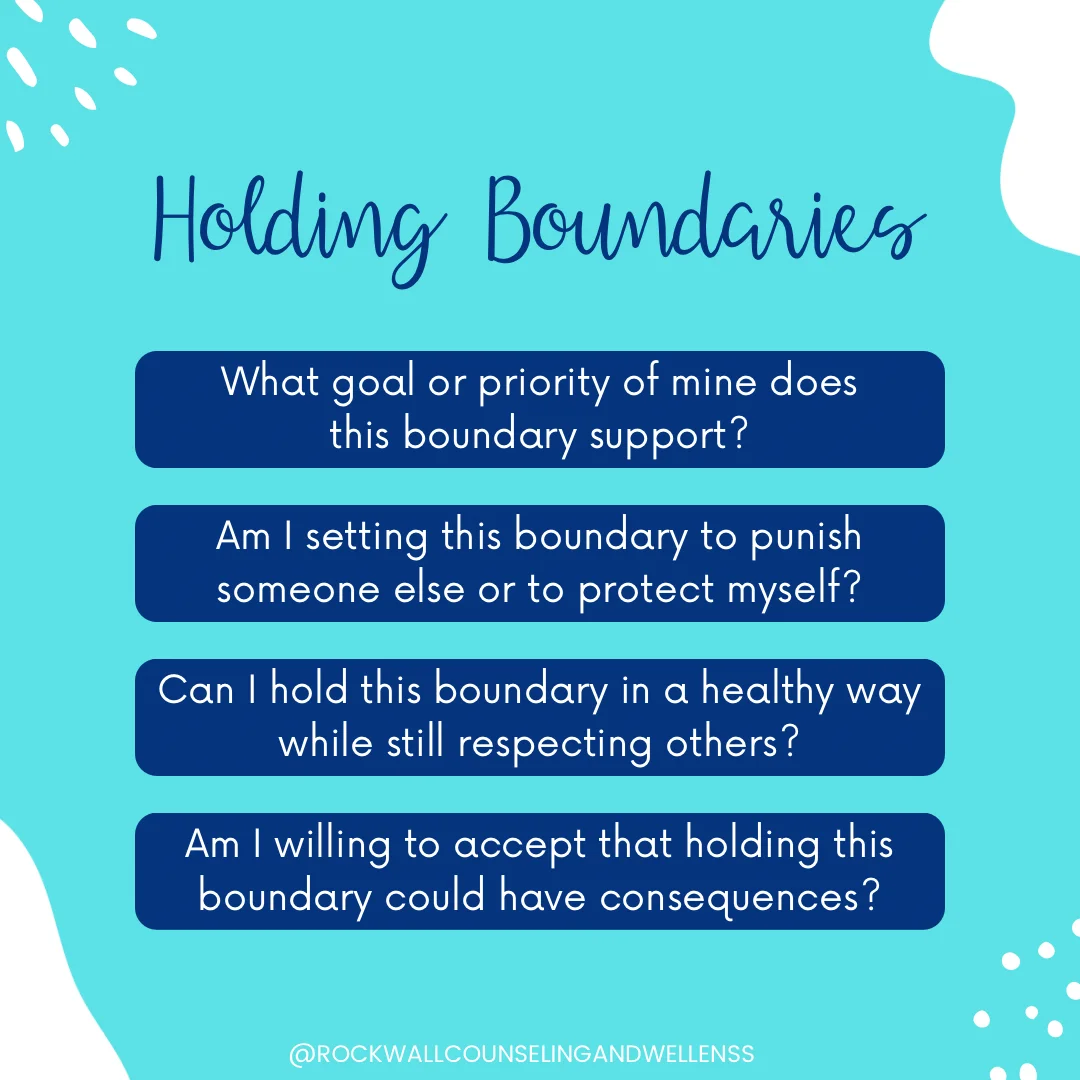
For instance, asking yourself questions like, “When do I feel most uncomfortable during family events?” or “What behavior leaves me feeling disregarded?” can guide your understanding. This clarity prevents vague or overly broad boundaries, ensuring they are practical and rooted in your actual experiences.
Assessing Emotional Triggers in Family Relationships
Maria realized that her uncle’s unsolicited advice was a recurring trigger that left her feeling devalued. Mapping these emotional triggers helps reveal patterns where boundaries are necessary. This process often involves recognizing subtle cues—like feeling irritated, anxious, or withdrawn—that signal a boundary has been crossed.
Tracking such triggers over time builds awareness and prepares you emotionally for boundary conversations. It also aids in differentiating between temporary discomfort and deeper issues that warrant firm limits, empowering you to respond thoughtfully instead of react impulsively.
Communicating Your Boundaries Effectively
Choosing the Right Time and Place
When Tom wanted to discuss sensitive topics with his extended family, he avoided busy holiday dinners and instead chose a calm afternoon coffee meet-up. Timing and setting greatly affect how boundary talks unfold. Picking calm moments rather than moments of crisis increases the chances of the conversation being received positively.
Quiet environments with minimal distractions allow for clearer communication and emotional regulation. Avoiding gatherings during heightened tensions or immediately after conflicts helps prevent escalation, turning boundary setting into a collaborative conversation instead of a confrontation.
Using Assertive and Respectful Language
Assertiveness helped Lisa express her need to limit phone calls without hurting her cousin’s feelings. Simple, polite phrases such as “I need some quiet time after work” or “Let’s chat at another time” can convey boundaries firmly yet gently. Avoiding blame and focusing on your feelings and needs prevents defensiveness.
Assertive communication respects both parties and invites understanding. Practicing short, clear sentences reduces ambiguity, helping avoid misunderstandings. This approach supports long-term relationship health by modeling effective emotional regulation and respect.
Handling Pushback and Resistance
Strategies for Maintaining Your Ground
During a family reunion, Kevin faced resistance when requesting private time from an overly involved aunt. He realized expecting immediate acceptance was unrealistic. Maintaining your ground often means calmly repeating your boundary without justification or apology until it’s honored.
Recognize that family members may initially resist or be unaware of your needs. Like the “Calder mobile” effect, adjusting one part of the family system causes ripples throughout. Change requires patience and consistent enforcement, with consequences conveyed kindly but firmly.
Balancing Compassion and Firmness
Emily balanced firmness with empathy when setting limits with her judgmental brother. She acknowledged his intentions while clearly stating her limits. Compassion helps maintain relationships but should not come at the expense of your well-being. Striking this balance involves validating emotions without relinquishing control over your boundaries.
Being compassionate doesn’t mean tolerating disrespect; it means holding space for differences while protecting your personal needs. This approach can reduce conflict and promote gradual family growth toward mutual respect.
Maintaining Long-Term Healthy Relationships
Regular Check-Ins and Boundary Adjustments
After months of boundary setting, Ana periodically reviewed how her interactions with her extended family were going. Boundaries are not static—they need check-ins and adjustments as relationships evolve. Reflecting on what’s working and what challenges remain keeps boundaries relevant and effective.
This ongoing process strengthens trust, as family members see your consistent commitment to respectful connection. It also allows for recalibrating limits in response to new life circumstances like changes in living arrangements or personal growth.
Encouraging Mutual Respect and Understanding
Jacob fostered mutual respect by openly inviting family dialogue about boundaries during calm moments. Encouraging open communication helps family members understand each other’s perspectives and reduces misconceptions. When everyone feels heard, respect grows naturally.
This culture of understanding minimizes unintentional boundary violations and builds a supportive environment. Over time, such efforts nurture a family dynamic where boundaries coexist with closeness, reducing emotional strain for everyone involved.
Real-Life Examples and Practical Tips
Case Studies of Boundary Setting with Extended Family
Consider the story of Nina, who struggled with her parents’ tendency to dictate her parenting choices. She decided to attend only monthly visits instead of weekly and politely declined specific unsolicited advice by saying, “I appreciate your concern, but we’re trying this way right now.” Although her parents initially pushed back, Nina stayed calm and consistent, gradually establishing a new norm.
Or think of Marcus, who found family events overwhelming. He planned short visits and scheduled quiet time afterward. By driving himself and having an exit strategy, he regained control over his emotional energy, improving his relationship with his relatives over time.
Dos and Don’ts for Everyday Interactions
In daily exchanges, it’s helpful to keep boundary statements brief and polite, such as “I’m not comfortable discussing this topic.” Avoid lengthy explanations or getting drawn into debates, which can drain your energy and weaken your stand.
Do prepare mentally during calm moments, and don’t wait for a crisis to assert boundaries. Expect some family members might not understand immediately, and avoid exhausting yourself trying to gain their approval in every instance.
After gatherings, give yourself time and space to recharge rather than jumping into other commitments. Rebuilding emotional reserves ensures you can remain steady and patient as boundaries take root, celebrating small victories along the way.

