






























Introduction to Strength Training for Posture Improvement
Why Posture Matters
Imagine Sarah, a remote worker who spends her days hunched over her laptop. Over time, she notices persistent neck tension and lower back discomfort. Sarah’s story is all too common—poor posture not only causes discomfort but can also impact confidence and energy levels. Good posture supports the natural alignment of the spine, reduces strain on muscles and joints, and helps prevent long-term issues like chronic pain or spinal problems. Whether you’re working at a desk or running errands, maintaining upright posture plays a vital role in your overall wellbeing.
The Role of Strength Training in Posture
Strength training might sound intimidating for beginners, but it’s a powerful tool for improving posture. Strengthening key muscles counteracts the effects of prolonged sitting and slouching. For example, when you strengthen your upper back and core, these muscles act like a supportive framework, encouraging you to sit and stand tall. Unlike passive stretching, strength exercises actively engage muscles, making it easier to maintain good posture throughout daily activities. For someone like Sarah, integrating strength training exercises at home not only eased her back tension but also boosted her posture confidence.
Key Muscle Groups for Better Posture
Back and Shoulder Muscles
The muscles of the upper and middle back, including the rhomboids, trapezius, and rear deltoids, are crucial for pulling the shoulders back and preventing slouching. Strengthening these muscles helps combat the rounding of shoulders that happens after hours of sitting or staring at screens. Tom, an avid reader, found that targeting these muscles reduced his tendency to hunch forward, giving him a taller, more open chest appearance.
Core Stability Muscles
The core is much more than just abdominal muscles; it includes deep stabilizers like the transverse abdominis and multifidus that support the spine from the inside out. A strong core supports the lower back and pelvis, making it easier to maintain an upright posture without strain. Lucy, who started doing beginner-friendly core exercises at home, noticed improved balance and less fatigue when standing or walking for long periods.
Leg and Hip Muscles
Many people overlook the legs and hips when considering posture, but these muscles provide the foundation for spinal alignment. Tight hip flexors or weak glutes can tilt the pelvis forward, leading to lower back arching and discomfort. By strengthening the gluteal muscles and improving hip mobility, you help ensure that your whole body works in harmony for better posture. For example, after incorporating simple glute bridges and hip stretches into his routine, Mark experienced less lower back tightness during his daily jogs.
Top 7 Beginner-Friendly Strength Training Exercises
Wall Angels
Wall angels mimic the motion of making a snow angel against a wall, promoting scapular mobility and shoulder control. Jessica, who struggled with rounded shoulders, started this exercise by standing with her back flat against the wall. She slowly raised her arms overhead and back down, feeling her shoulder blades engage. This simple exercise helped her develop better awareness of shoulder alignment.
Bird-Dogs
The bird-dog exercise improves core stability and spinal balance. On hands and knees, you extend one arm and the opposite leg, holding the position briefly before switching sides. This move encourages coordination and strengthens the muscles around the spine. When Matt added bird-dogs to his routine, he found his lower back pain decreased as his core got stronger.
Glute Bridges
Glute bridges activate and strengthen the buttocks and lower back muscles, which support the pelvis and spine. Lying on your back with knees bent, you lift your hips towards the ceiling, squeezing the glutes at the top. Angela, working from home, discovered that regular glute bridges relieved her tendency to slump forward after long hours of sitting.
Plank Variations
Planks challenge the entire core and help build endurance for postural muscles. Starting with a basic forearm plank, you focus on keeping your body in a straight line from head to heels. Side planks add an extra challenge by engaging the obliques and shoulders. Peter, a beginner with no prior fitness experience, gradually built up from 20-second holds to over a minute, noticing more ease in maintaining upright posture throughout his day.
Superman Exercise
The superman exercise targets the lower back and shoulders by lying face down and lifting the arms and legs off the floor simultaneously. This move strengthens the muscles that counterbalance the forward pull of poor posture. Rachel found that practicing this exercise several times a week enhanced her back strength, allowing her to sit straighter without discomfort.
Seated Rows with Resistance Bands
Using a resistance band while seated, you simulate the rowing motion to activate the back muscles. This helps correct rounded shoulders and strengthens the muscles that pull the shoulder blades together. Sam, new to strength training, appreciated how this exercise could be done while watching TV, making it easy to fit into his routine.
Chest Opener Stretch
Though not a strength exercise, the chest opener stretch complements muscle strengthening by relieving tightness in the chest and encouraging an open shoulder position. You can interlace fingers behind your back or hold a towel if flexibility is limited. Holding this stretch regularly helped Maya counteract the tightness from extended computer use, promoting better posture.
How to Create a Simple Home Routine
Setting Realistic Goals
Starting a new exercise routine can feel overwhelming, but setting achievable goals keeps motivation high. For instance, aim to perform the five key strengthening exercises three times a week, spending about 20 to 30 minutes each session. John found that committing to just one minute per exercise, focusing on quality rather than quantity, allowed him to stay consistent without feeling rushed or fatigued.
Exercise Frequency and Progression
Your body adapts over time, so gradually increasing the duration or adding repetitions will help build strength without risking injury. Begin with one set of each exercise, and as you gain confidence and control, consider adding more sets or incorporating small weights if comfortable. Clara, a busy mom, appreciated starting slow and progressing at her own pace, noticing improvements in her posture within weeks.
Essential Tips for Safe and Effective Training
Proper Form and Technique
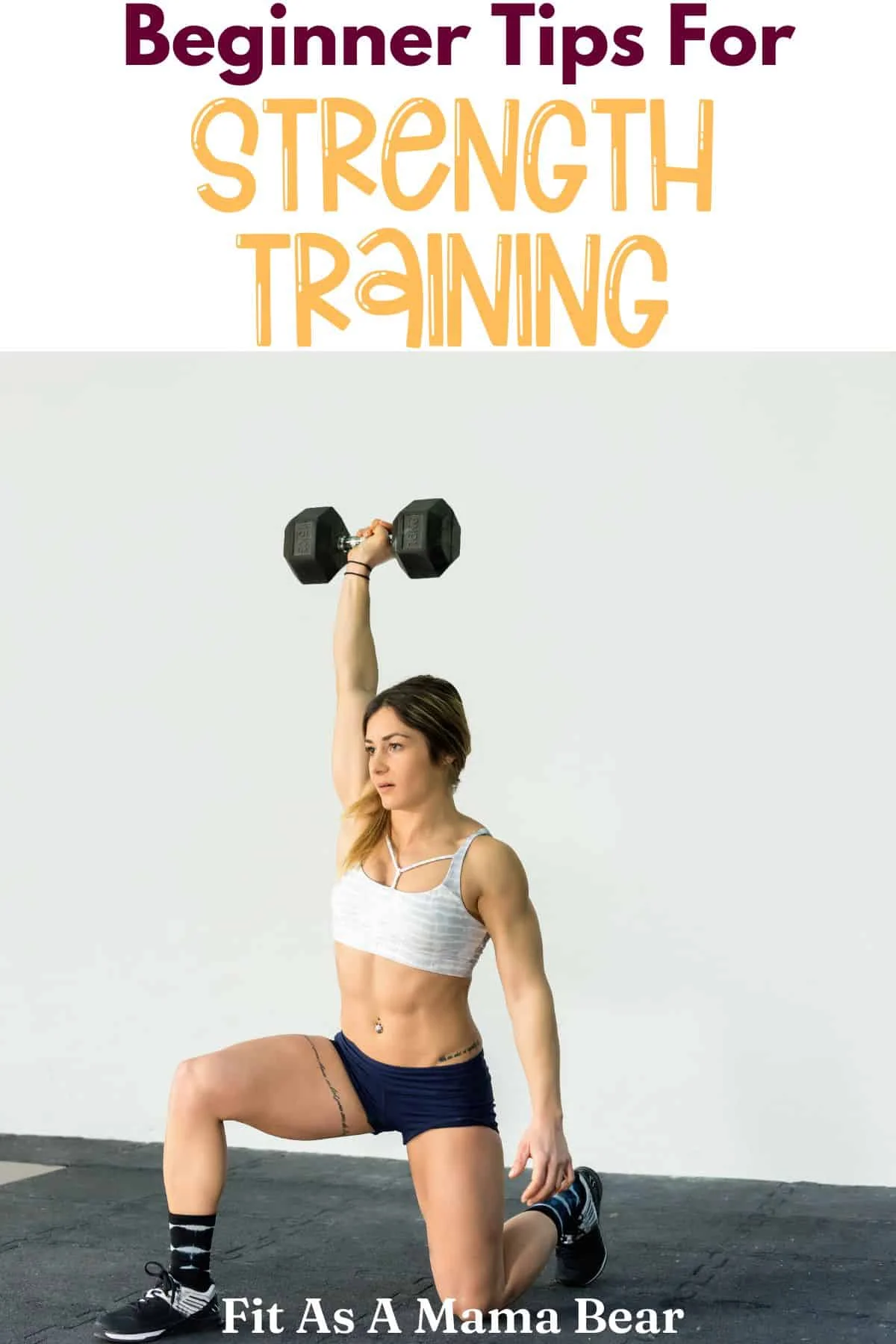
Maintaining proper form is crucial to avoid strain and ensure the right muscles are engaged. For example, during plank exercises, keeping shoulders relaxed and hips aligned in a straight line prevents unnecessary stress. Beginners like Tim benefit from using mirrors or recording their form to self-correct and build body awareness. Taking your time and focusing on controlled movements is always better than rushing through exercises.
Breathing and Movement Coordination
Coordinating breathing with movement enhances exercise effectiveness and reduces tension. During holding poses like the bird-dog or chest opener, deep, calm breaths help relax muscles and maintain focus. If you feel breathless or rushed, slowing down can improve both form and experience. Emily found that matching her breath to the rhythm of each exercise helped her stay mindful and improved her posture over time.
Bonus: Combining Strength Training with Other Posture-Enhancing Practices
Stretching and Mobility Work
Complementing strength training with regular stretching helps maintain flexibility and joint freedom. For instance, using a pillow under the thighs during Child’s Pose or bending knees slightly during a standing forward fold can gently lengthen tight muscles, reducing postural strain. Mark included brief mobility drills and stretches into his day, reporting that it enhanced his overall comfort and posture.
Ergonomic Home Workspace Setup
Strength training builds the foundation, but an ergonomic workspace helps maintain posture throughout the day. Adjusting chair height, using a supportive cushion, or positioning screens at eye level prevents slouching. Sarah, introduced earlier, combined her exercise routine with simple changes like placing her laptop on a stand and setting reminders to check her posture, transforming her work-from-home experience.

