































Understanding Nutrition Timing and Muscle Growth
The Science Behind Nutrient Timing
Nutrition timing is more than just choosing the right foods—it’s about consuming those nutrients at the ideal moments to maximize muscle gain. When you work out, your body enters a state where it’s primed to build and repair muscle tissue, but this window doesn’t stay open indefinitely. The science behind nutrient timing centers on optimizing when you eat certain macronutrients so that muscle protein synthesis is enhanced, recovery is faster, and overall strength gains improve.
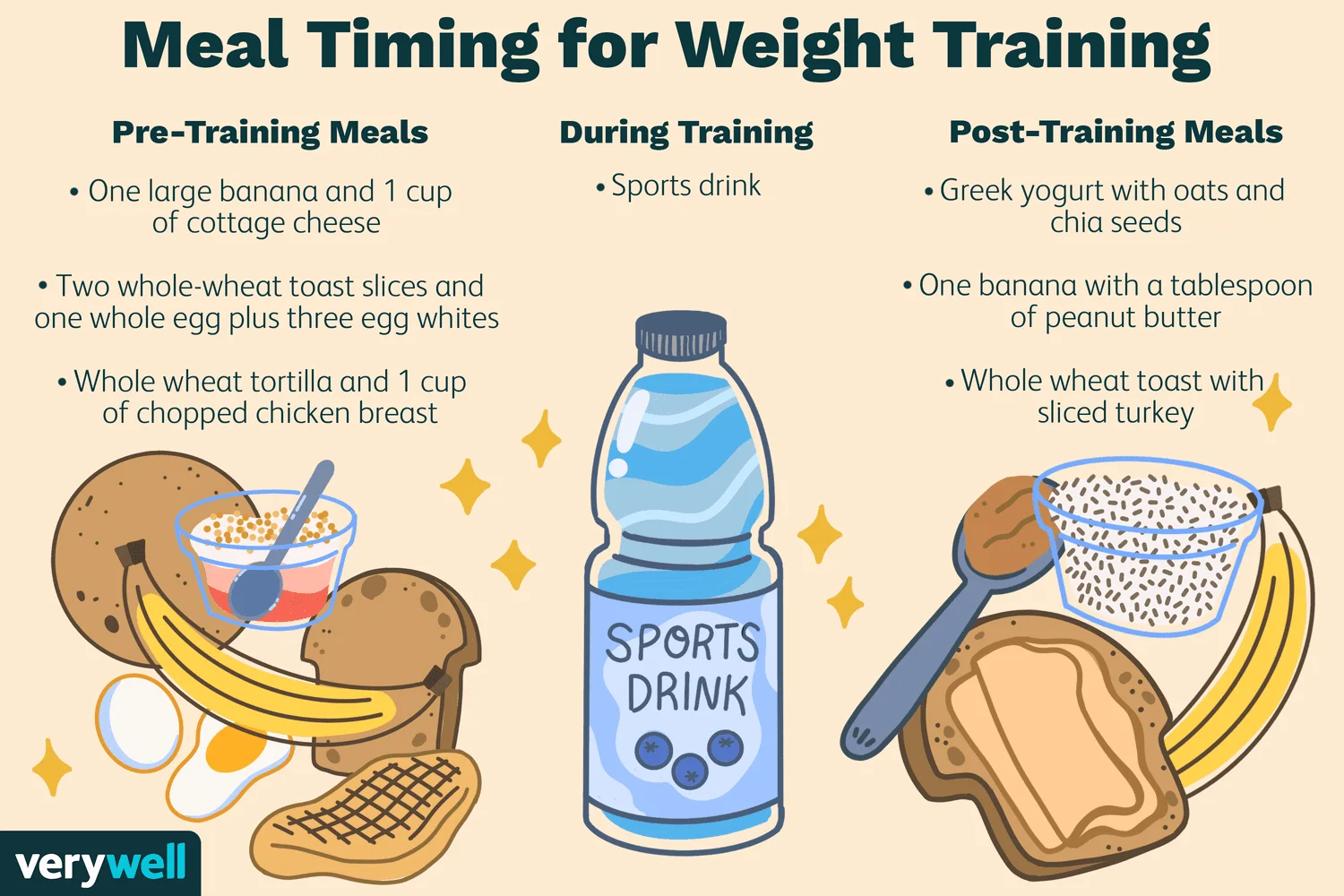
Your muscles need fuel before a workout and the right nutrients after to repair and grow stronger. Timing your meals strategically ensures that your body has a continuous supply of amino acids and energy, which supports the muscle-building process. By aligning your eating schedule with your workout routine, you can make the most out of your strength training efforts.
How Timing Influences Muscle Protein Synthesis
Muscle protein synthesis (MPS) is the biological process where your body repairs and builds new muscle fibers. It’s influenced heavily by nutrient intake, especially protein. Consuming protein shortly before and after your workout stimulates MPS, providing your muscles with the building blocks needed for growth. However, timing matters; waiting too long after exercise can slow down recovery and limit gains.
Interestingly, consuming more than around 20 grams of protein post-exercise doesn’t necessarily boost muscle growth further, as your body can only utilize a certain amount efficiently at one time. This makes not only the quantity but the timing and distribution of protein throughout the day just as important for sustained muscle building.
Pre-Workout Nutrition Strategies
Best Macronutrients to Fuel Strength Training
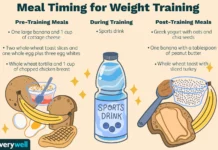
Before a strength training session, it’s key to fuel your body with a balance of carbohydrates and protein. Carbohydrates provide the quick energy needed to power through intense lifts, while protein supplies amino acids to prime your muscles for repair. Good choices include whole-grain cereals or bread paired with low-fat milk, a banana, or yogurt—these options provide energy without feeling heavy.
Some athletes also benefit from carbohydrate and protein supplements before training, which can enhance fat oxidation and improve endurance during workouts. The goal is to avoid feeling sluggish or hungry but also steer clear of eating too much, which can cause discomfort during exercise.
Optimal Timing for Eating Before Workouts
Timing your pre-workout meal is about hitting a sweet spot—eating too early may leave you hungry, while eating right before training can cause digestive issues. Ideally, plan to eat your main pre-exercise meal about 2-3 hours before your session. This allows your body to digest and absorb nutrients efficiently.
If your workout is earlier or you need a quick energy boost closer to exercise, a small snack like fresh fruit, a low-fat granola bar, or a sports drink 30-60 minutes prior can help maintain energy levels without overwhelming your stomach.
Post-Workout Nutrition Essentials
Key Nutrients for Muscle Recovery and Growth
After strength training, your muscles are primed to absorb nutrients that aid recovery. Protein is critical here, as it provides amino acids for muscle repair. However, balance is key—pairing protein with carbohydrates helps replenish glycogen stores and supports faster recovery. Good post-workout foods include low-fat chocolate milk, yogurt and fruit, peanut butter sandwiches, and turkey on whole-grain bread with vegetables.
What’s equally important is avoiding excessive protein intake immediately after exercise. Consuming more than 20 grams at once doesn’t provide additional benefits and can sometimes be wasteful.
Window of Opportunity: When to Eat After Training
The so-called “anabolic window” is often said to be within 30 to 60 minutes post-exercise, during which nutrient intake can significantly enhance muscle repair. While recent research suggests this window might be broader than previously thought, it’s still beneficial to eat a balanced meal or snack soon after your workout.
Consuming your post-workout nutrition promptly helps to kickstart muscle protein synthesis and reduces muscle breakdown that can occur after intense exercise. If you can’t eat a full meal immediately, a recovery smoothie or a small snack can tide you over until your next meal.
Daily Meal Timing for Consistent Muscle Gain
Balancing Protein Intake Throughout the Day
For those focused on muscle gain, spreading protein intake evenly throughout the day is a smart strategy. Rather than loading up on protein in one or two meals, consuming moderate amounts in several meals and snacks supports continuous muscle repair and growth. This approach is especially helpful for fat loss and muscle maintenance, where consistent amino acid availability is crucial.
Think about including quality protein sources at breakfast, lunch, dinner, and snacks to maintain a steady supply. Over time, this also helps your body adapt to the feeding schedule, making nutrient timing more effective.
Spacing Meals and Snacks for Maximum Anabolism
Spacing out meals every 3-4 hours keeps your metabolism active and provides a steady fuel source for your body. This steady intake supports an anabolic environment—where muscle building outweighs muscle breakdown. Incorporating nutrient-dense snacks like energy bars, fresh fruit, or yogurt between meals can prevent energy slumps and support recovery.
Listening to your body is key here; adjustments may be necessary based on your workout intensity, daily schedule, and hunger levels. Paying attention to how you feel and perform can guide your timing adjustments for better results.
Hydration and Its Role in Muscle Building
When and How Much to Drink Around Workouts
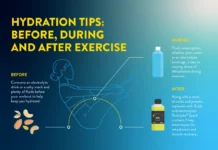
Hydration often goes overlooked but is vital for maximizing muscle gains. Water is the primary fluid replacement before, during, and after workouts. How much you need depends on factors like your body size, sweat rate, and environmental conditions. Drinking consistently throughout the day prevents dehydration, which can impair strength and recovery.
A good rule of thumb is to start hydrating well before exercise, sip water during training as needed, and replenish lost fluids afterward. Avoid adding new hydration products or supplements right before important workouts or long sports events; staying with what your body is used to will help performance.
Common Mistakes in Nutrition Timing
Myths That Can Hinder Muscle Growth
One common myth is that you must consume massive amounts of protein immediately post-workout for muscle growth, but more than 20 grams doesn’t actually boost gains. Another mistake is neglecting carbohydrates around workouts, which can limit your energy and slow recovery.
Some also believe that nutrient timing is overly complicated, but starting with simple adjustments like eating a balanced meal before workouts and protein shortly after can make a noticeable difference. Over time, practicing nutrient timing becomes easier and more effective.
How to Adjust Timing for Different Workout Schedules
Not everyone trains at the same time of day, so your nutrition timing should be flexible. Morning gym sessions might require a lighter pre-workout snack and a more substantial breakfast afterward, while evening workouts may call for evenly spaced meals throughout the day with a recovery-focused dinner.
Tailor nutrient timing to fit your lifestyle and goals. For fat loss, increasing carbohydrates with high-intensity sessions and focusing more on protein during low-intensity days can optimize results. Consulting a sports dietitian can help customize strategies for your individual needs.
Summary and Actionable Nutrition Timing Plan
Creating a Personalized Feeding Schedule
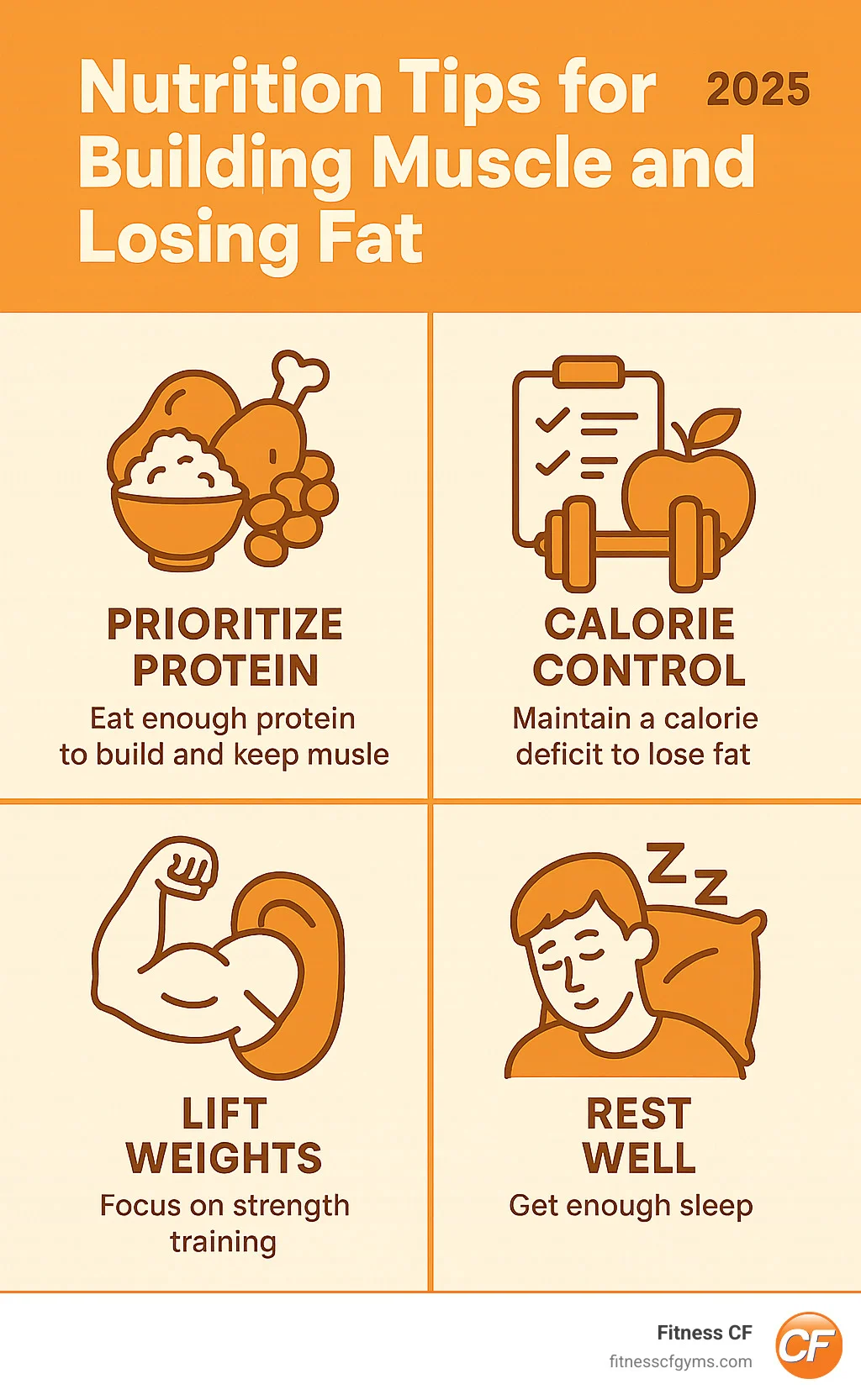
Maximizing muscle gain through nutrition timing starts with understanding your body’s rhythms and needs. Begin by planning your meals around workouts—eat balanced meals 2-3 hours before training and consume protein and carbohydrates soon after. Distribute protein intake evenly throughout the day and stay hydrated to support performance.
Include nutrient-rich snacks to maintain energy and support muscle maintenance. Adjust your timing based on your workout schedule and how you feel during exercise. Avoid making sudden diet changes before important sessions, and consider seeking advice from a sports dietitian for personalized guidance.
By practicing these tips consistently, nutrition timing becomes a natural part of your routine, ultimately enhancing muscle growth and strength gains in your strength training journey.

