






























Understanding the Role of Nutrition in Fitness
Why Nutrition Matters More Than Calorie Counting
For many beginners, the fitness journey often starts with the misconception that calorie counting is the key to success. However, this approach can become overwhelming and unsustainable. The problem lies in focusing solely on numbers rather than the quality of the food consumed. When you obsess over calories, you might ignore the nutritional value, which is crucial for long-term health and effective fitness progress. Instead of counting every calorie, understanding nutrition allows for a more balanced and enjoyable approach that supports your body’s needs.
How Food Fuels Your Fitness Journey
Your body requires the right combination of nutrients to perform efficiently, recover quickly, and build strength. Food is more than just energy; it’s fuel that powers workouts and repairs muscles. Without proper nutrition, even the best exercise routine can fall short of delivering results. The cause of many beginners’ frustration is inadequate nutrient intake, which leads to fatigue, poor recovery, and stalled progress. By focusing on what you eat — emphasizing whole, nutrient-dense foods — you provide your body with the tools it needs to succeed.
Key Nutrients to Focus On for Beginners
Macronutrients: Balanced Intake Without Tracking
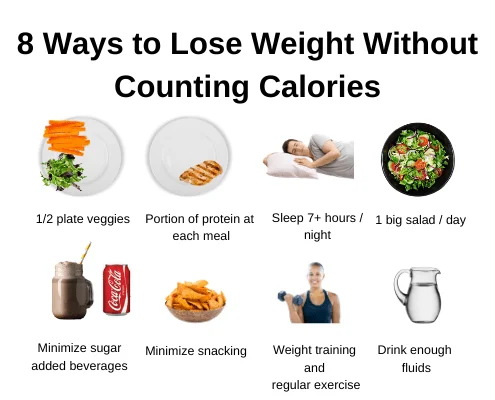
Beginners often struggle with balancing macronutrients—carbohydrates, proteins, and fats—because they assume precise tracking is necessary. The root problem is the misconception that estimating portions is unreliable. In reality, simple visual guides, like using your hand to gauge servings, make balance achievable without strict measurement. Including a palm-sized portion of protein, a cupped hand of whole grains or starchy vegetables, and ample servings of fruits or non-starchy vegetables provides a well-rounded intake that supports fitness and satiety.
Micronutrients That Boost Energy and Recovery
Micronutrients, such as vitamins and minerals, often go unnoticed but are essential for energy production and recovery. Beginners may fall short because they rely heavily on processed foods lacking these nutrients. This scarcity can cause fatigue and slow healing. Ensuring a colorful variety of fruits and vegetables in your diet helps cover these needs naturally. Foods rich in vitamin C, potassium, and magnesium, for instance, are known to support muscle function and reduce cramps, improving overall exercise performance.
Practical Nutrition Strategies to Try Today
Choosing Whole Foods Over Processed Options
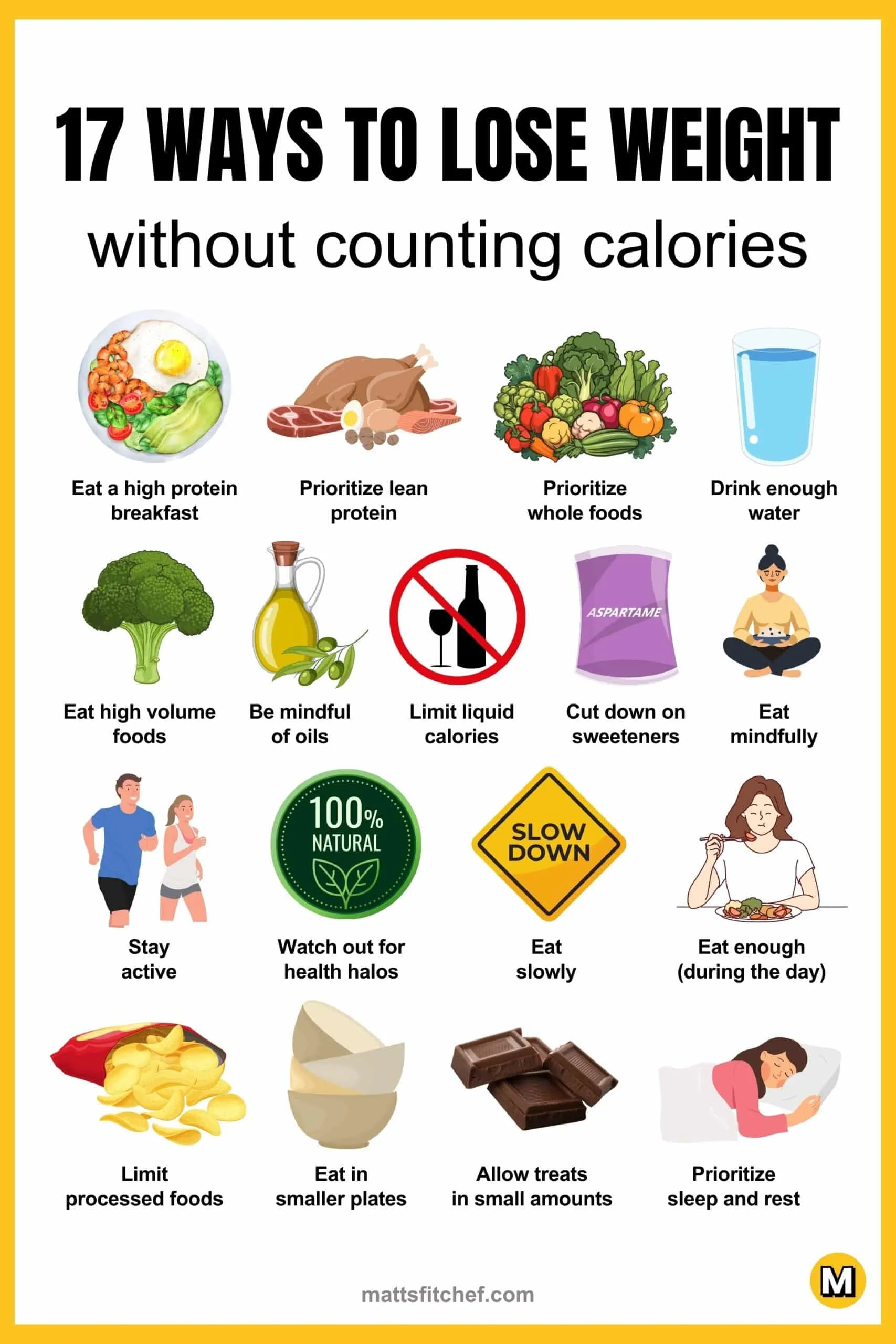
Processed foods often contain hidden sugars, unhealthy fats, and excessive additives that can derail fitness progress. The problem is convenience leading to frequent reliance on these less nutritious options. Choosing whole foods—like fresh fruits, vegetables, legumes, and whole grains—ensures higher fiber and nutrient intake. This strategy also promotes fullness, which naturally curbs cravings for junk food. By preparing simple meals with these ingredients, beginners can maintain energy levels throughout their workouts and daily activities.
Simple Portion Control Tips Without Measuring
Many beginners feel stuck because they perceive portion control as complicated. The cause of this is the lack of easy, practical methods to estimate servings without scales or apps. Using the hand as a visual portion guide provides an accessible solution. For example, a handful of fruits or vegetables equals one serving, while your palm-sized protein portion helps regulate intake. This approach reduces the guesswork and makes portion control intuitive and sustainable.
Hydration and Its Importance in Fitness Progress
Neglecting hydration is a common obstacle that slows down fitness improvements. Dehydration can cause fatigue, reduce exercise efficiency, and impair recovery. Many beginners overlook how much fluid they actually need daily. The solution is to monitor beverage choices carefully, avoiding sugary drinks that add unnecessary calories. Prioritizing water intake before, during, and after workouts supports optimal performance and helps maintain energy levels. Staying hydrated is a simple yet powerful way to enhance fitness outcomes.
Meal Planning Made Easy
Creating Intuitive Eating Habits
Starting a fitness routine often comes with pressure to follow strict meal plans or diet rules. This rigidity can lead to frustration or burnout. The problem arises when beginners rely on rigid structures instead of listening to their bodies. Developing intuitive eating habits encourages flexibility and enjoyment of food while meeting nutritional needs. By temporarily using food tracking, individuals can build awareness of their eating patterns and then shift towards trusting hunger and fullness signals to guide intake.
Sample Meal Ideas to Support Fitness Goals
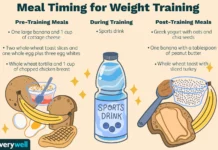
Many beginners face difficulty deciding what to eat because they lack easy, practical meal ideas. This confusion often leads to either unhealthy choices or repetitive meals that fail to provide variety. Incorporating simple recipes that include whole grains, legumes, lean proteins, and plenty of fruits and vegetables can alleviate this problem. For instance, pairing grilled chicken with quinoa and steamed broccoli or preparing a hearty lentil and vegetable stew offers balanced nutrition without complexity. Encouraging clients to make a list of their favorite seasonal fruits and vegetables can also enhance meal planning and enjoyment.
Common Pitfalls and How to Avoid Them
Overeating Healthy Foods
Even healthy foods can contribute to weight gain or hinder fitness goals if eaten excessively. Beginners often fall into the trap of assuming all nutritious foods can be consumed without limits. This misconception stems from confusing calorie content with food quality. While fruits and vegetables are beneficial, high-calorie options like nuts or dried fruits require moderation. Practicing portion control and balancing meal components avoids this pitfall and helps maintain steady progress.
Ignoring Hunger and Fullness Cues
A significant challenge is ignoring or misreading the body’s natural signals, leading to overeating or under-eating. Beginners might compensate for perceived restrictions or emotional triggers instead of true hunger. This disconnect interferes with effective nutrition and can result in energy crashes or frustration. The solution is to become more mindful, recognizing hunger and fullness cues as guides rather than external rules. Embracing this awareness fosters a healthier relationship with food and supports fitness sustainability.
Conclusion: Adopting a Sustainable Nutrition Mindset
The key to supporting beginner fitness goals without the stress of calorie counting lies in adopting a sustainable nutrition mindset. Problems like overwhelm, confusion, and unsustainable habits often stem from focusing too much on numbers instead of nourishment. By embracing whole foods, intuitive portion control, hydration, and mindful eating, beginners can experience enjoyable, long-lasting progress. This balanced approach not only fuels fitness but also cultivates a positive relationship with food that lasts well beyond the initial goals.

