



































Introduction to Macro Tracking for Weight Loss
Many people struggle to achieve consistent weight loss despite their best efforts with dieting and exercise. One common problem is not understanding the nutritional composition of their meals, leading to imbalanced food intake. Tracking macronutrients, or “macros,” can provide a clear framework to optimize eating habits and support effective weight loss. By monitoring proteins, carbohydrates, and fats, individuals can tailor their diet to meet their unique energy needs and improve body composition. This step-by-step guide will help you understand the essentials of macro tracking and implement it confidently for better weight loss results.

Understanding Macros: Proteins, Carbs, and Fats
What Are Macros?
The term “macros” refers to the three primary macronutrients that provide energy to the body: proteins, carbohydrates, and fats. Each macro serves different functions and contributes a specific number of calories per gram—4 calories for proteins and carbs, and 9 calories for fats. Problems arise when these nutrients are consumed in incorrect proportions, which can stall weight loss or affect overall health.
Role of Each Macro in Your Body
Proteins are essential for muscle repair and growth, making them especially important during weight loss to help maintain lean muscle mass. Carbohydrates are the body’s preferred source of energy and are necessary to fuel daily activities and workouts. Fats are crucial for hormone production and support brain health, though they must be consumed in moderation. An imbalance or lack of understanding of these roles often causes frustration and ineffective dieting.
Why Macro Balance Matters for Weight Loss
Many dieters focus solely on calorie counting without considering the macro breakdown, which leads to suboptimal results. The right macro balance supports metabolism, energy levels, and satiety, all critical factors in sustainable weight loss. Without a tailored macro plan, you may experience energy dips, slow progress, or muscle loss despite eating fewer calories. Therefore, balancing macros according to your needs is key to losing fat while preserving muscle and maintaining health.
How to Calculate Your Daily Macro Needs
Determine Your Basal Metabolic Rate (BMR)
The first step in calculating your macros is determining your Basal Metabolic Rate (BMR), which is the number of calories your body needs at rest to maintain basic functions. Calculating BMR provides a foundation for understanding your total energy needs. Without this baseline, it’s difficult to know how many calories and macros to consume for weight loss.
Adjust for Activity Level
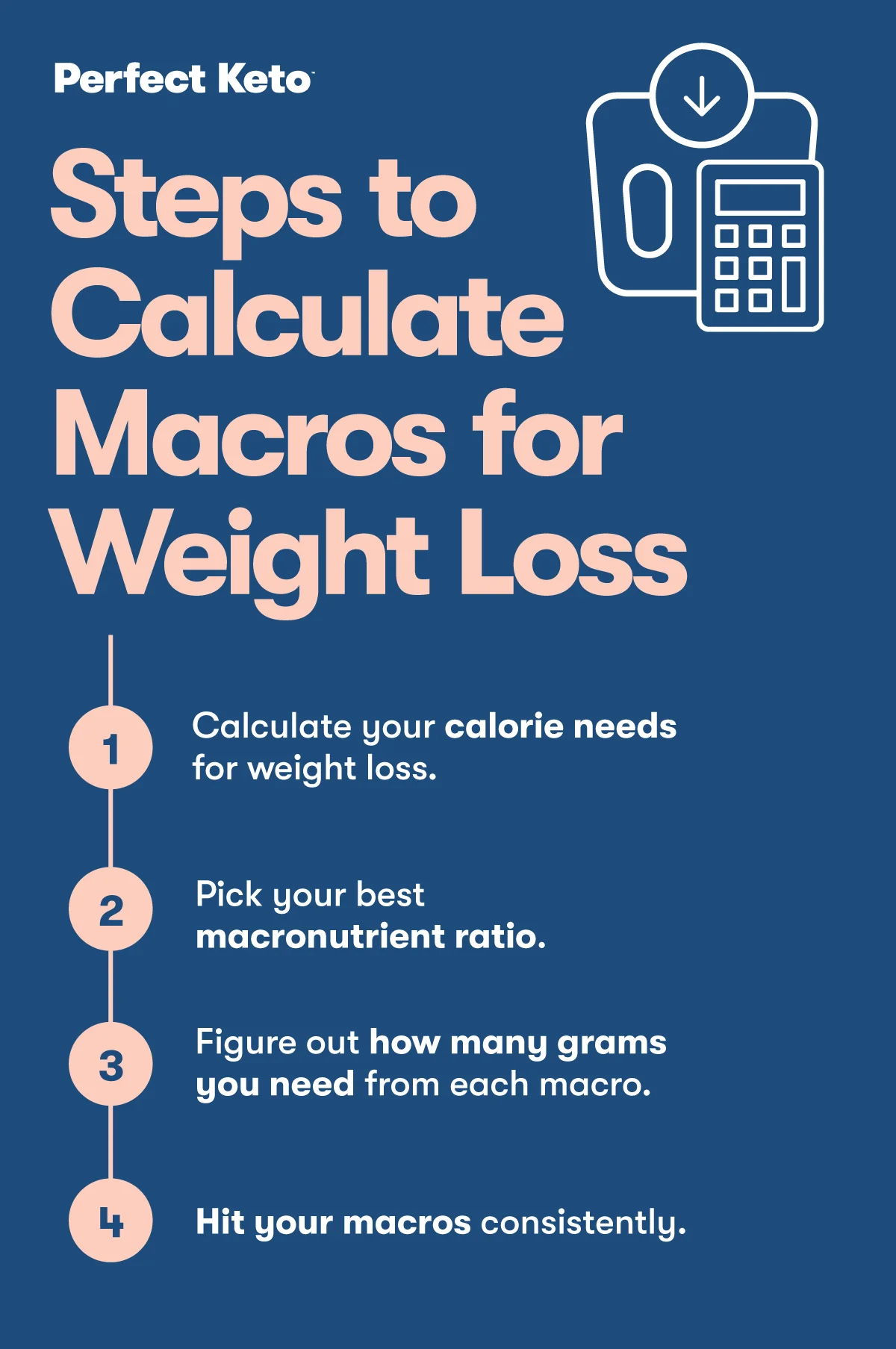
Next, you must adjust your BMR based on your daily activity. Sedentary individuals burn fewer total calories than those with active lifestyles. Factoring in physical activity gives a more accurate estimate of your total daily energy expenditure (TDEE). Ignoring this adjustment can lead to eating too much or too little, which impedes fat loss or causes unwanted muscle loss.
Setting Macro Ratios for Weight Loss
Once you know your calorie needs, setting the right macro ratios is essential. A common approach is balancing macros to create a calorie deficit for fat loss while supporting muscle maintenance. For instance, many weight loss plans prioritize higher protein intake, moderate carbohydrates, and controlled healthy fats. Without setting these ratios correctly, tracking macros may feel confusing and ineffective, wasting effort and time.
Tools and Apps to Simplify Macro Tracking
One major challenge with macro tracking is the complexity of calculating and logging everything manually. Fortunately, there are numerous apps and tools available that help simplify this process. They provide databases of foods with macro values, allow easy input of meals, and generate daily summaries of protein, carbs, fats, and calories. Using these tools increases accuracy and reduces the risk of errors, making tracking less time-consuming and more reliable as you build your new habits.
Step-by-Step Guide to Tracking Macros
Step 1: Plan Your Meals in Advance
Meal planning is crucial for successful macro tracking. Without a plan, it’s easy to rely on convenience foods or guesswork, which disrupts tracking consistency. By planning meals ahead, you can ensure each meal contains your target macros, making it easier to stay within your daily goals. This also reduces stress and increases adherence to your weight loss plan.
Step 2: Measure and Weigh Your Food
Estimating portion sizes can lead to inaccuracies that accumulate quickly. Measuring and weighing food is the problem solver here. Using kitchen scales or measuring cups helps you accurately log the grams of protein, carbs, and fats you consume. This step is especially important in the beginning, allowing you to develop an intuitive understanding of portion sizes and improve tracking precision.
Step 3: Log Your Food Intake Accurately
Accurate logging is where many people falter, often underestimating their intake or forgetting to log snacks and drinks. Using an app or journal consistently ensures you capture everything you eat and drink. This habit provides a full picture of your macro intake and helps identify where adjustments might be needed.
Step 4: Analyze Your Daily Macro Intake
After tracking for a few days, reviewing your macro intake reveals patterns or mistakes, such as eating too many carbs or not enough protein. This reflection is essential to identify what’s hindering your progress. Without analysis, you may continue ineffective eating habits unknowingly.
Step 5: Adjust Macros Based on Progress
Weight loss is not linear, and your macro needs might change as your weight or activity levels change. Allowing time to adjust and reassess your macro ratios helps overcome plateaus or maintain steady progress. Making informed adjustments based on data rather than guesswork is the key to long-term success.
Common Mistakes to Avoid When Tracking Macros
One common mistake is obsessing over perfection, which leads to frustration and burnout. Another is failing to account for all foods, such as cooking oils or condiments, which can add unexpected calories. Some also focus excessively on numbers and neglect hunger cues or overall nutrition quality. Lastly, not allowing an adjustment period before changing macros causes premature changes that derail progress. Awareness of these pitfalls helps maintain a balanced approach and improves sustainability.
Tips for Sustaining Macro Tracking Long-Term
Sustaining macro tracking requires patience and flexibility. Familiarizing yourself with macro basics makes tracking easier and more intuitive over time. Using diverse food sources for macros, such as lean meats, legumes, fruits, and healthy fats, keeps meals enjoyable and balanced. Leveraging apps enhances consistency without overwhelming effort. Importantly, focus on non-scale victories like better energy, improved sleep, or lower blood pressure to stay motivated. Consulting a dietitian even once or twice can save time and prevent frustration by personalizing your plan effectively.
Conclusion: Maximizing Weight Loss Through Consistent Macro Tracking
Tracking macros systematically solves the common problem of mismanaged nutrition during weight loss. Understanding what macros are, calculating your needs, and utilizing tools to track intake empowers you to make informed dietary choices. Following a step-by-step process minimizes errors and builds sustainable habits. Avoiding common mistakes and embracing ongoing adjustments keeps progress steady and health intact. Ultimately, consistent macro tracking is an effective, evidence-based strategy to achieve lasting weight loss and improve overall well-being.

