






























Why Choose One-Pot Meals for Weeknights?
Time-Saving Benefits
After a long day at work or school, the last thing anyone wants is to spend hours cooking. One-pot meals like chicken and dumplings are perfect because they streamline the cooking process. Imagine coming home to a kitchen where everything simmers together, allowing you to focus on other evening tasks, like helping kids with homework or relaxing before dinner. This recipe exemplifies that convenience, delivering wholesome, homemade comfort without extra hassle.
Minimal Cleanup
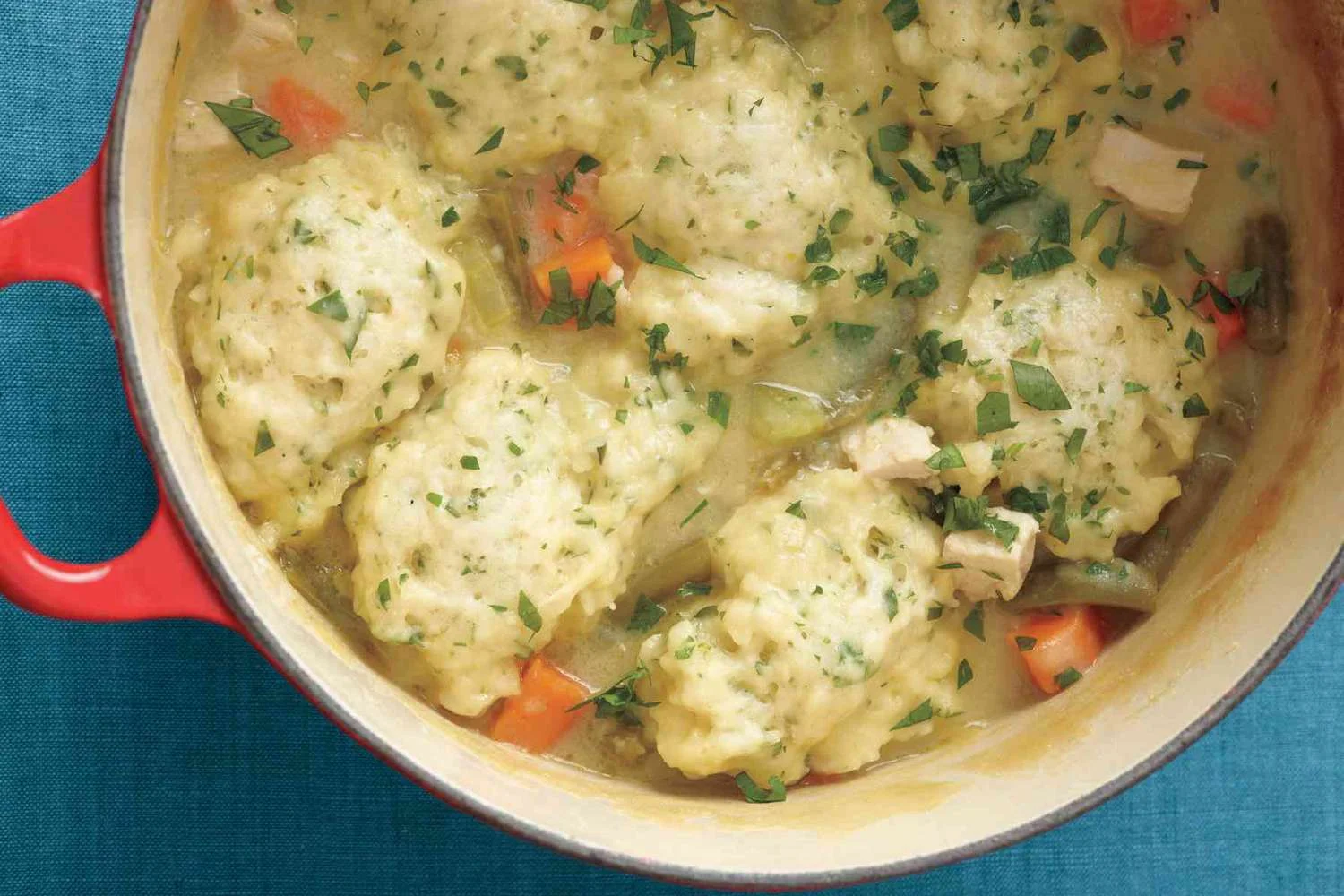
Think about the night you tried to prepare a complex dinner with multiple pots, pans, and utensils. The cleanup can sometimes overshadow the enjoyment of eating. With only one pot to clean, this chicken and dumplings recipe keeps the kitchen tidy. After dinner, a quick soak and wash mean you won’t dread the after-meal chores, letting you spend more time unwinding or connecting with family.
Comfort Food Made Simple
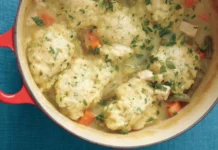
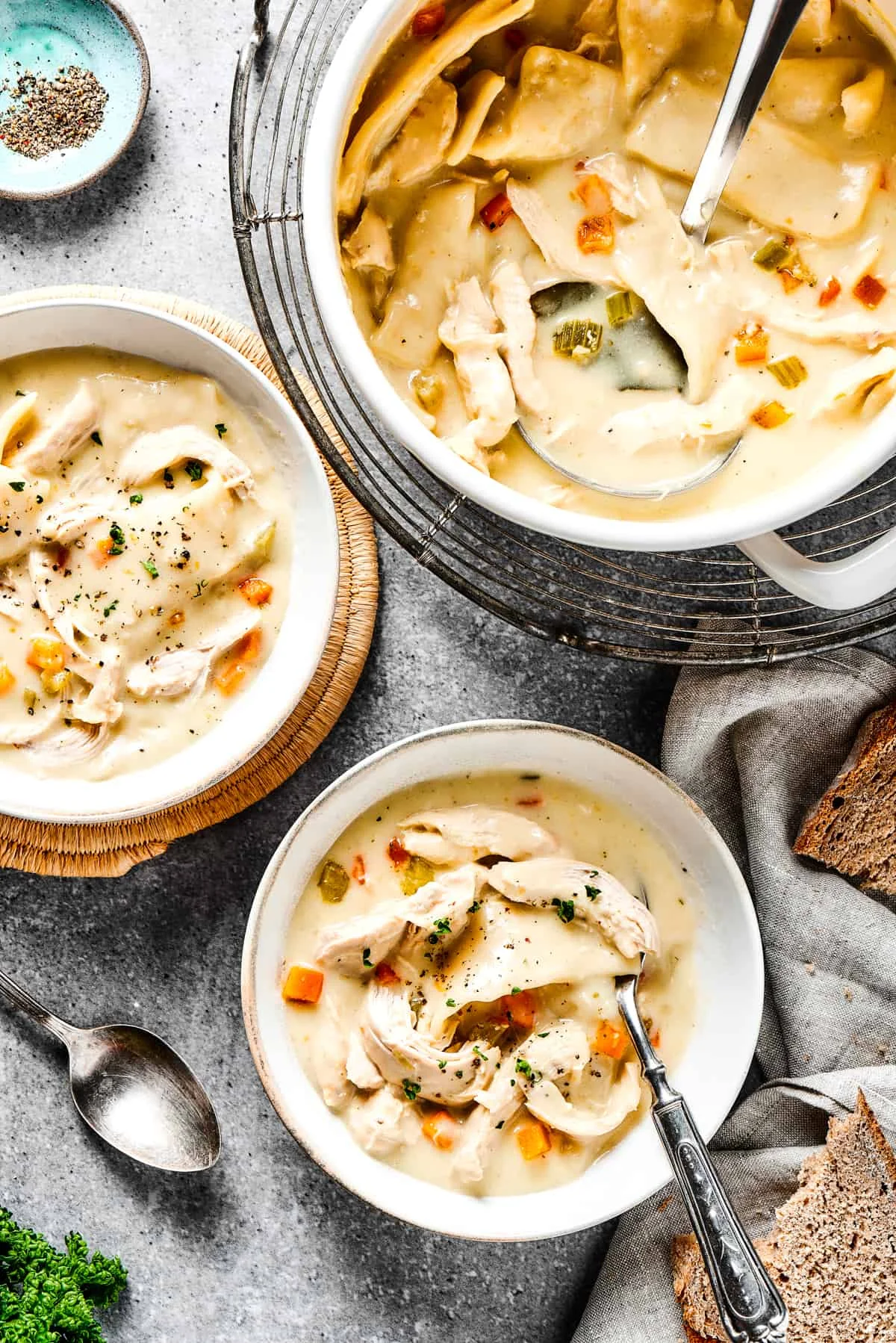
Nothing beats the feeling of cozy warmth from a bowl of chicken and dumplings, especially on a chilly evening. While traditional recipes might demand hours of preparation, this one-pot version simplifies the process without sacrificing flavor. It creates a creamy, hearty soup that feels like a warm hug—exactly what busy weeknights call for.
Ingredients for the Perfect Chicken and Dumplings
Choosing the Right Chicken
Freshness and quality matter when it comes to chicken in any dish. Boneless, skinless chicken thighs are a popular choice because they stay juicy and tender during simmering. One weeknight, a friend swapped breasts for thighs and noticed the texture was silkier and the flavor deeper. If you prefer white meat, breasts work fine but watch the cooking time carefully to avoid drying out.
Essential Vegetables and Herbs
Onions, carrots, and celery form the classic mirepoix base, lending a subtle sweetness and depth to the broth. Adding garlic intensifies the savory profile, reminiscent of meals passed down through generations. Fresh thyme or parsley sprinkled in just before serving brightens the dish. Recently, a home cook shared how adding a handful of chopped kale gave a welcome nutritional boost with little extra effort.
Making Dumplings from Scratch vs. Store-Bought Options
There’s something satisfying about making dumplings from scratch, mixing flour, baking powder, salt, and butter to create tender little pillows. The key is to mix just until the dry ingredients are moistened, ensuring fluffiness rather than toughness. However, if time is tight, store-bought biscuit dough makes a fantastic shortcut. Cutting refrigerated biscuits into quarters and gently stirring them in transforms the soup quickly without compromising taste.
Step-by-Step Cooking Instructions
Preparing the Chicken Base
Start by sautéing mirepoix—onions, carrots, and celery—with garlic in your pot to release their aromas. Then, stir in condensed chicken soup, broth, and shredded chicken over medium-high heat until it simmers. This combination creates a rich, creamy foundation. A neighbor I spoke with once swore by this step for intensifying flavors without complicated sauces.
Mixing and Adding the Dumplings
Cutting biscuits into bite-sized pieces and folding them into the simmering soup signals the transition from broth to hearty meal. It’s important to be gentle to keep the dough from breaking apart too much. As a seasoned home cook advises, using a light touch preserves the dumplings’ fluffy texture and prevents them from becoming dense.
Cooking Times and Tips for Fluffy Dumplings
Once the dumplings are added, reduce heat to medium-low and cover the pot. Avoid the temptation to peek—they need steam to puff up perfectly. Setting a timer for about 15 minutes helps avoid overcooking, as dumplings become doughy inside if left too long. I remember one evening when I lifted the lid too soon, and the dumplings fell flat; patience truly pays off here.
Customizing Your One-Pot Chicken and Dumplings
Adding Extra Vegetables
Feel free to toss in additional vegetables like peas, corn, or green beans for color and nutrition. One busy mom shared that sneaking in finely chopped zucchini got her kids excited about dinner without complaints. These additions not only enhance texture but can turn this dish into a full meal with balanced vitamins and fiber.
Spice Variations to Try
While traditional seasoning works well, experimenting with spices can personalize the dish. A dash of cayenne or smoked paprika adds a subtle kick, while fresh herbs like rosemary introduce an earthy aroma. Once, a friend added curry powder to the base and was surprised at how the dish took on a comforting, exotic twist that her family loved.
Substitutions for Dietary Preferences
For those avoiding gluten, gluten-free biscuit dough or dumpling recipes work wonderfully. Vegetarians can replace the chicken with hearty mushrooms or tofu, using vegetable broth instead of chicken broth to keep the flavor rich. I recall a colleague successfully making this swap for a dinner party, and everyone was impressed by how satisfying the version was without meat.
Serving Suggestions and Side Dishes
Complementary Salads
A crisp, refreshing salad balances the richness of chicken and dumplings. A mixed green salad with a tangy vinaigrette cuts through the creamy soup nicely. Another idea is a simple cucumber and tomato salad with a hint of lemon, providing a burst of freshness after a comforting main course.
Bread and Other Sides to Pair
Nothing complements this Southern comfort classic like warm, homemade cornbread. Its slight sweetness and crumbly texture contrast perfectly with the savory soup. Roasted vegetables are another excellent choice, adding color and variety to the plate. Once, hosting a weeknight dinner, I paired chicken and dumplings with garlic roasted Brussels sprouts, which became an instant favorite among guests.
Tips for Storing and Reheating Leftovers
How to Preserve Flavor and Texture
Leftover chicken and dumplings can sometimes turn thick or lose their fresh charm. To bring back the original consistency, reheat gently on the stove with a splash of broth or water, stirring occasionally. This technique keeps the dumplings moist and prevents them from becoming gummy. I learned this after a few disappointing reheats and now swear by slow, careful warming.
Freezing Guidelines
Freezing is possible, but it’s best to freeze the soup and dumplings separately when practical. Dumplings may change texture if frozen after cooking. For freezing, store soup in airtight containers, leaving space for expansion. Thaw in the refrigerator overnight and reheat slowly. A friend of mine prepped this meal in batches, freezing portions for the busiest weeks, which made dinnertime stress-free and enjoyable.

