






























Why Choose Gluten-Free Meatloaf?
Understanding Gluten Sensitivities
Gluten sensitivities and celiac disease have made gluten-free diets necessary for many individuals. For those affected, consuming gluten—a protein found in wheat, barley, and rye—can lead to digestive distress and long-term health issues. Choosing gluten-free meatloaf allows people with these sensitivities to enjoy a classic comfort food without risking adverse reactions. It also provides an option for anyone looking to reduce gluten intake for health or dietary preferences.
Common Challenges With Gluten-Free Meatloaf
Meatloaf traditionally relies on breadcrumbs or flour as binders and fillers, which contain gluten. Removing gluten often results in a loaf that falls apart, dries out, or lacks the familiar texture. Additionally, gluten contributes to the moisture retention and flavor absorption, so gluten-free recipes must compensate to avoid a dry or bland outcome. These challenges require thoughtful ingredient substitutions and careful technique to create a meatloaf that is both cohesive and flavorful.
Key Ingredients for Flavorful Gluten-Free Meatloaf
Best Gluten-Free Binders and Thickeners
Replacing traditional breadcrumbs is critical in gluten-free meatloaf recipes. Options like coconut flour are highly absorbent but do not impart a coconut flavor, making them ideal for maintaining the meatloaf’s balance. Homemade gluten-free breadcrumbs can also provide the right texture if time allows. Additionally, eggs play a crucial role in binding the ingredients, ensuring the loaf holds together during cooking and slicing.
Seasonings That Enhance Without Gluten
Flavor depth in gluten-free meatloaf depends heavily on seasonings. Fresh parsley adds a vibrant, herbaceous note, while Dijon or whole grain mustard introduces tang and complexity. Coconut aminos are an excellent substitute for soy sauce, contributing a sweet and savory umami flavor without gluten. For those who enjoy a bit of heat, adding a touch of hot sauce to the glaze can subtly enhance the taste without overwhelming spice.
Top Techniques to Ensure Perfect Texture
Mixing and Binding Tips
Achieving the perfect meatloaf texture starts with careful mixing. Overmixing the meat can lead to a dense texture, while undermixing risks crumbly results. Gently but thoroughly combining the meat with binders, vegetables, and seasonings ensures even distribution without toughening the loaf. Shaping the meatloaf by hand or using a pan-lining technique helps maintain the form and prevents sticking during cooking.
Cooking Methods That Retain Moisture
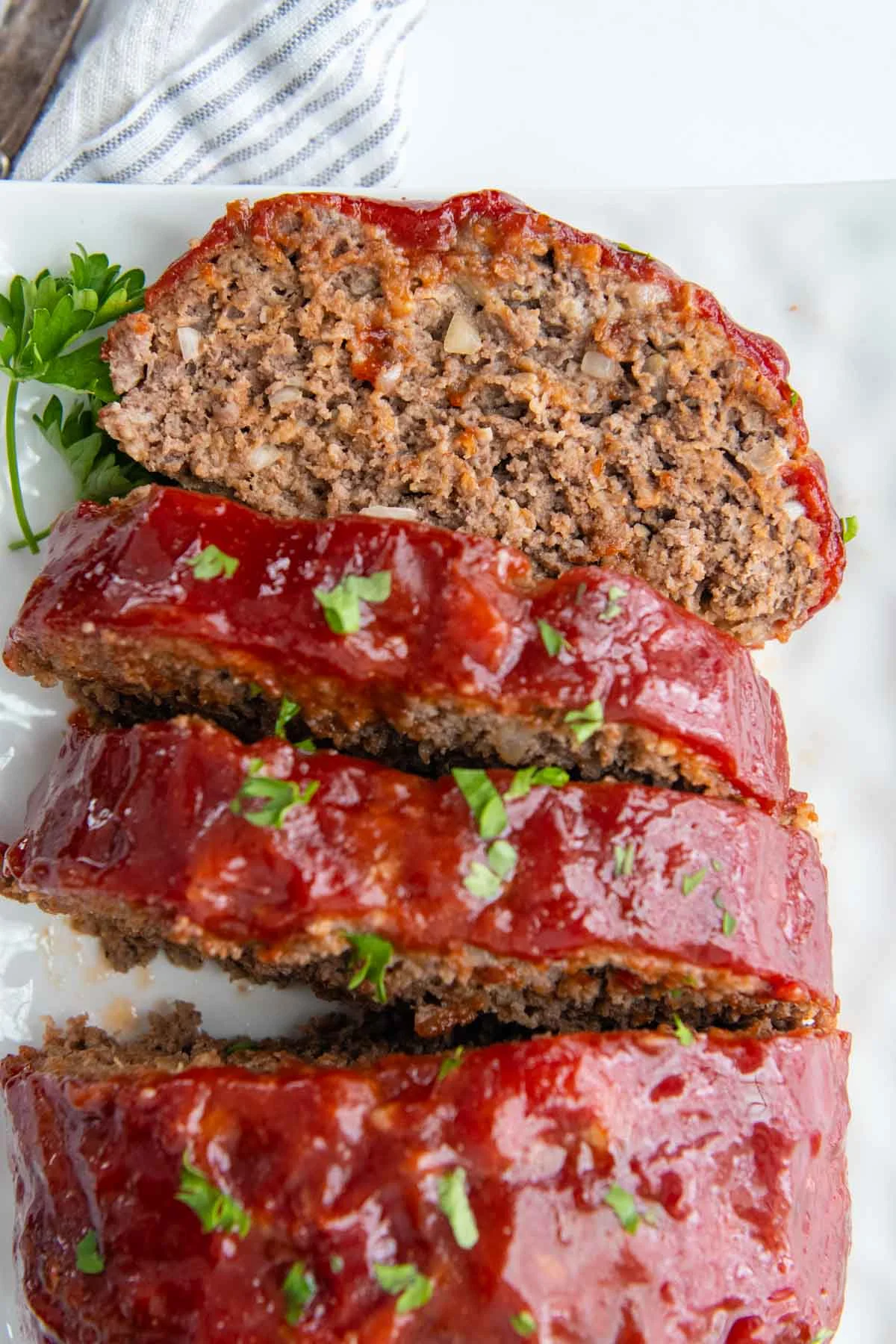
Moisture retention is a major concern with gluten-free meatloaf, as gluten-free flours absorb more liquid. Baking the meatloaf covered or tented with foil during part of the cooking process helps keep it moist. Broiling on the upper rack for about five minutes before baking adds a flavorful crust without drying the interior. Applying a glaze during cooking, especially brushing 1/4 cup before broiling and more afterward, locks in juiciness and creates a beautifully caramelized top.
Delicious Gluten-Free Meatloaf Recipes to Try
Classic Herb and Garlic Meatloaf
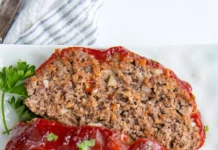
This version combines fresh parsley and garlic with coconut flour as the binder to achieve a traditional flavor and texture. The use of dijon mustard and a tomato-based glaze adds richness and a slight tang, making each bite satisfying. The classic glaze is brushed on before broiling to form a perfect crust, then the meatloaf is baked until tender and juicy.
Spicy Chipotle Turkey Meatloaf
For a twist on meatloaf, ground turkey mixed with chipotle peppers and a hint of hot sauce in the glaze delivers smoky heat and depth. Coconut aminos take the place of soy sauce, boosting umami without gluten. This meatloaf stays moist with the addition of sautéed vegetables in olive oil alternatives like avocado or coconut oil, balancing spice with richness.
Vegetable-Packed Vegan Meatloaf Alternative
Though traditional meatloaf relies on meat, vegan alternatives can mimic texture and flavor using lentils, mushrooms, and gluten-free binders like flax eggs and gluten-free breadcrumbs. Fresh herbs and spices build flavor, while thorough mixing ensures cohesion. Baking with a tangy tomato glaze enhances moisture and taste, making this a hearty option for plant-based diets.
Serving Suggestions and Complementary Sides
Healthy Gluten-Free Sides to Pair
Gluten-free meatloaf pairs well with classic sides that also avoid gluten. Mashed potatoes, especially those made dairy-free with ghee or avocado oil, provide creamy complementarity. Oven-roasted broccolini offers a simple, nutritious vegetable, while options like scalloped potatoes, roasted sweet potatoes, or corn casserole add variety without gluten concerns. These sides balance the heartiness of meatloaf while contributing texture and color to the meal.
Sauces That Boost Flavor Without Gluten
Sauces are key to enhancing meatloaf without adding gluten. A dairy-free mushroom gravy elevates the dish with earthy depth and moisture. Tomato-based glazes can be prepared gluten-free and brushed on during cooking to create a glossy finish and extra flavor. Choosing sauces made from natural, gluten-free ingredients ensures the entire meal remains safe and delicious for gluten-sensitive diners.

