































Understanding the Basics of Vegetarian Meal Prep
Benefits of Planning Ahead for the Week
Planning vegetarian dinners for the week simplifies mealtime and reduces stress. By preparing in advance, you save time on busy evenings and avoid last-minute unhealthy choices. Meal prepping helps control portions, cut down on food waste, and ensures you consistently eat balanced, nutritious meals. It also makes grocery shopping more efficient and can reduce overall food expenses.
Key Nutrients to Include in Vegetarian Dinners
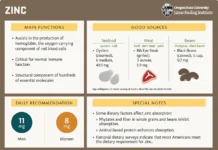
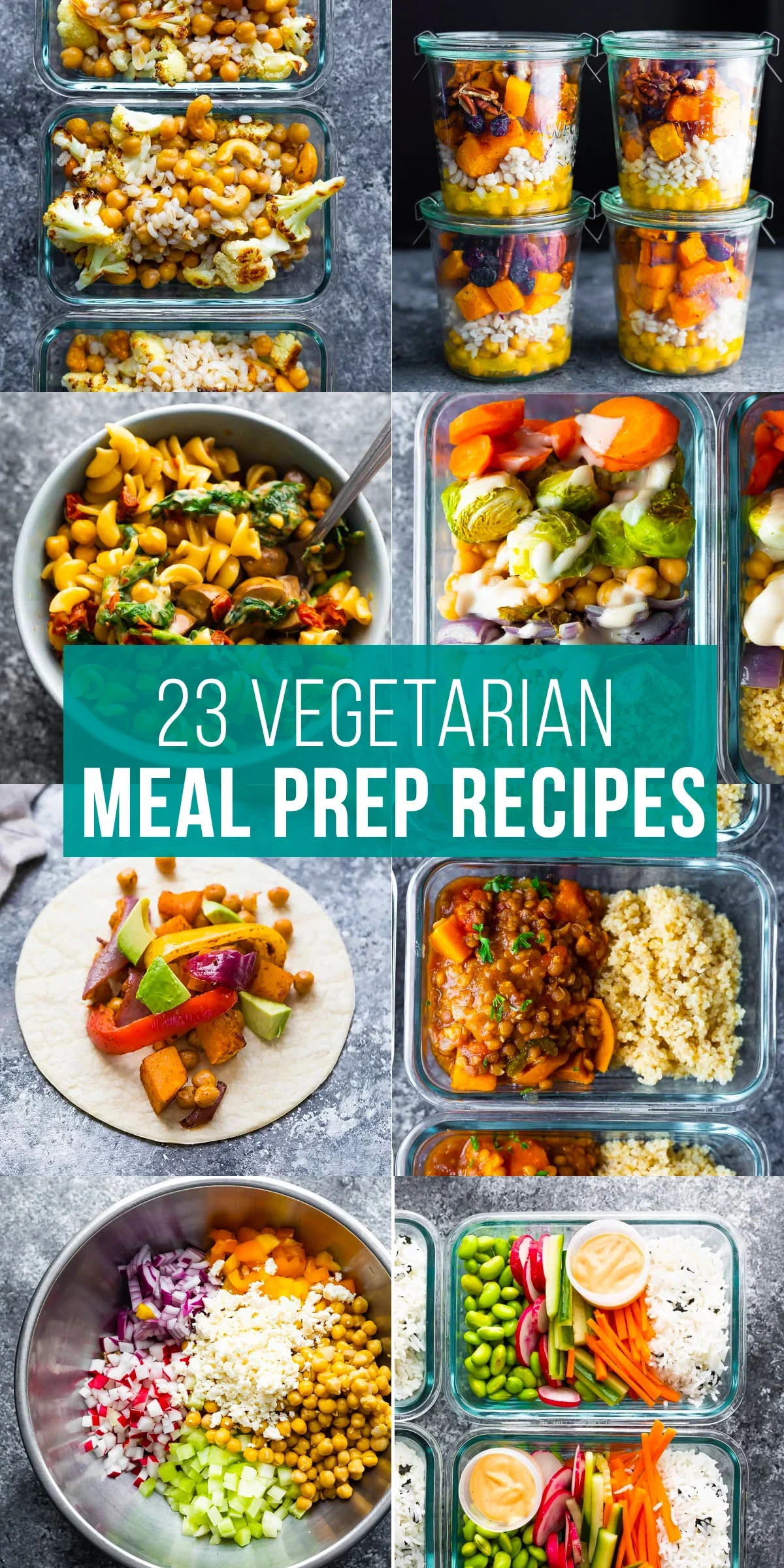
A balanced vegetarian dinner should contain adequate protein, healthy fats, complex carbohydrates, and essential vitamins and minerals. Key nutrients include plant-based proteins such as legumes and tofu, whole grains for energy, a variety of vegetables for fiber and micronutrients, and healthy fats from sources like nuts, seeds, or oils. Paying attention to iron, calcium, and vitamin B12 intake is especially important in vegetarian diets to maintain optimal health.
Essential Ingredients for Balanced Vegetarian Meals
Protein Sources: Legumes, Tofu, and More
In a vegetarian meal plan, protein is vital and can be sourced from a variety of foods. Legumes such as beans, lentils, and chickpeas are economical and versatile. Tofu and tempeh offer complete protein profiles and absorb flavors well. Dairy products like Greek yogurt and cheese can also contribute, while eggs provide additional protein and essential nutrients.
Incorporating Whole Grains and Vegetables
Whole grains like brown rice, quinoa, and whole wheat pasta serve as hearty bases for meals and supply necessary fiber and energy. Fresh and frozen vegetables add color, texture, and a wealth of vitamins and minerals. Including a diverse range ensures you get a broad nutrient spectrum while keeping meals interesting.
Spices and Flavor Enhancers to Keep It Exciting
Healthy vegetarian cooking thrives on spices and flavor enhancers. Ingredients such as garlic, onion, cumin, chili powder, and fresh herbs can transform simple dishes into satisfying meals. Store-bought items like vegetable broth help deepen flavors in soups and stews. Small amounts of vinegar, honey, and brown sugar can balance flavors without overwhelming the dish.
Step-by-Step Guide to Preparing Your Weekly Dinners
Creating a Meal Plan and Shopping List
Start by selecting recipes that are simple and family-friendly, ideally those that cook in under an hour. Identify common ingredients to avoid duplicate purchases. Include store-bought essentials like bread or vegetable broth, or plan to make homemade versions if preferred. Organize your shopping list by sections to streamline your trip to the grocery store.
Batch Cooking Techniques for Efficiency
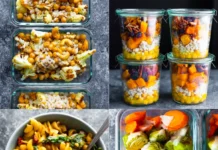
Batch cooking maximizes efficiency. Prepare large portions of grains, legumes, and proteins all at once. Cook vegetables that can be used in multiple dishes across the week. Using techniques like roasting or slow simmering frees up time and often intensifies flavors. Store meals in clear, labeled containers for easy access during the week.
Proper Storage Tips to Maintain Freshness
Store cooked meals in airtight containers to prevent spoilage and maintain texture. Refrigerate meals you plan to eat within a few days and freeze the rest. Keep ingredients like leafy greens separate to avoid wilting. Utilize yogurt and eggs in multiple dishes or as snacks to use leftovers efficiently and reduce waste.
Sample Weekly Dinner Menu Ideas
Day 1 to 3: Quick and Nutritious Meals
Begin the week with meals that are quick to prepare but nutrient-dense. Dishes such as lentil soups enhanced with masa harina for a subtle tortilla chip flavor, tofu stir-fries, or vegetable-packed pasta provide warm, satisfying options without requiring extensive preparation.
Day 4 to 7: Hearty and Flavor-Packed Recipes
As the week progresses, enjoy more robust dinners like bean chili with cheddar cheese, quinoa-stuffed peppers, or savory cornbread paired with vegetable stew. These meals carry bold flavors and thicker textures, perfect for wrapping up the week with satisfying variety.
Adapting Your Meal Prep to Dietary Preferences and Restrictions
Gluten-Free, Nut-Free, and Other Variations
Meal prepping can accommodate various dietary needs. Gluten-free options include quinoa, rice, and gluten-free pasta. Nut-free meals rely on seeds or legumes for protein and healthy fats. Adjust spices and ingredients to avoid allergens while maintaining flavor and nutrition.
Incorporating Seasonal Produce
Using seasonal vegetables enhances freshness and reduces costs. Rotate ingredients like squash, leafy greens, tomatoes, or root vegetables depending on the season. This approach keeps the menu exciting and encourages eating a wider range of nutrients throughout the year.

