































Introduction to Low-Sugar Salad Dressings
Why Choose Low-Sugar Dressings?
Many commercial salad dressings are loaded with hidden sugars that can sabotage your efforts to maintain a healthy diet. Excess sugar consumption is linked to a range of health issues such as weight gain, blood sugar spikes, and increased risk of chronic diseases. Choosing low-sugar dressings is a proactive way to reduce sugar intake while still enjoying flavorful meals. By making your own dressings at home, you gain full control over the ingredients, ensuring you avoid unnecessary sugars and additives.
Health Benefits of Homemade Dressings
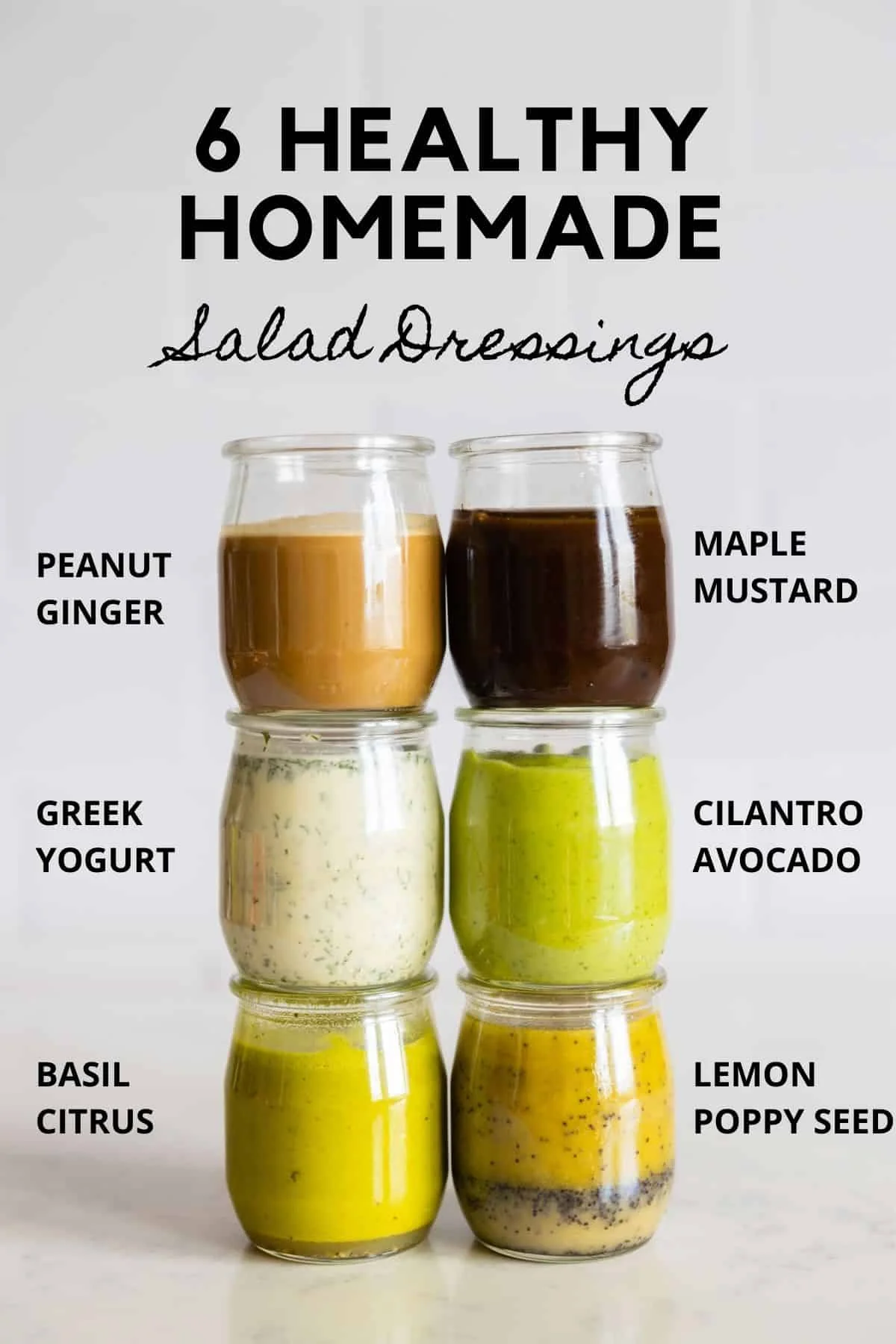
Homemade dressings offer multiple health benefits compared to store-bought options. They are fresher, free from preservatives, and customizable to suit dietary needs. When you prepare dressings yourself, you can emphasize wholesome ingredients like healthy fats from olive oil and nutrient-dense herbs. This not only supports better digestion and cardiovascular health but also helps maintain balanced blood sugar levels. Additionally, making dressings at home often leads to larger servings, enabling you to use them more creatively across meals, increasing your intake of vegetables and other nutritious foods.
Essential Ingredients for Low-Sugar Salad Dressings
Natural Sweeteners: Alternatives to Refined Sugar
The challenge with low-sugar dressings is maintaining a pleasant balance of flavors without relying on refined sugars. Natural sweeteners like honey, maple syrup, or even a small amount of mashed fruit can provide subtle sweetness while adding complexity. For those seeking sugar-free options, ingredients such as apple cider vinegar or tahini create a zesty or creamy texture that enhances flavor without sweetness. Understanding these alternatives helps you craft dressings that satisfy your palate and nutrition goals.
Key Oils and Vinegars to Use
Oils and vinegars form the backbone of most salad dressings. Choosing the right ones is crucial for both taste and health. Extra virgin olive oil is prized for its smooth texture and heart-healthy monounsaturated fats. For vinegar, options like apple cider vinegar, balsamic, and red wine vinegar offer acidity and brightness that complement greens. These ingredients not only provide essential nutrients but also act as emulsifiers that blend dressings into smooth, cohesive sauces. Selecting quality oils and vinegars ensures that your dressings are both flavorful and nourishing.
Flavor Enhancers: Herbs, Spices, and More
One of the main reasons store-bought dressings often contain sugar is to mask bland or unbalanced flavors. By contrast, fresh herbs, fragrant spices, and aromatics provide powerful flavor boosts without added sugar. Ingredients such as garlic, Dijon mustard, fresh parsley, dill, chives, or ground ginger elevate dressings dramatically. Adding these elements also introduces antioxidants and other beneficial plant compounds. When using herbs, keep in mind that adding them after blending creamy dressings preserves their delicate flavor and prevents discoloration.
Step-by-Step Preparation Process
Gathering and Measuring Ingredients
Starting with the right proportions is essential for a well-balanced dressing. Precise measuring ensures consistency, especially when experimenting with reduced sugar content where flavors can easily become unbalanced. Before you begin, gather your natural sweeteners, oils, vinegars, and flavor enhancers, arranging them for easy access. Using kitchen scales or measuring spoons can help maintain accuracy and makes it easier to adjust recipes as you learn what works best. This preparation step lays a strong foundation for a successful dressing.
Blending and Mixing Techniques
The method of combining ingredients can greatly affect the dressing’s texture and flavor. Simple vinaigrettes often benefit from vigorous shaking in a mason jar to emulsify the oil and vinegar thoroughly. Creamy dressings, such as those made with avocado or yogurt, are best mixed with a blender or food processor to achieve smoothness. Keep in mind that olive oil-based dressings may harden and separate in the refrigerator, which is normal and can be remedied by shaking well before use. Mastering these techniques helps create dressings that are appealing both visually and in taste.
Tasting and Adjusting Flavors
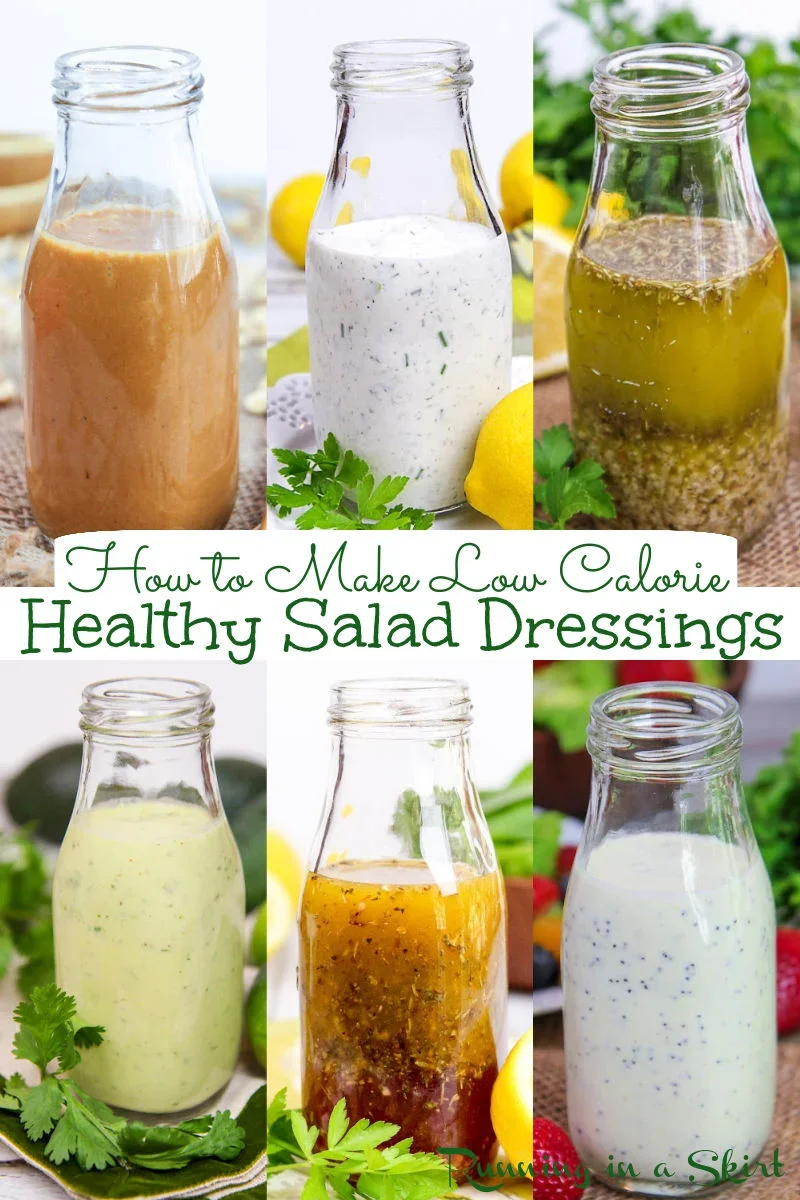
Taste-testing is a critical step, especially in low-sugar recipes where minor tweaks can make a big difference. After blending, sample the dressing to evaluate sweetness, acidity, saltiness, and spice levels. If the dressing tastes too sharp, a touch more honey or natural sweetener can help soften the edge. Conversely, if it’s too sweet, increasing vinegar or acid balances the flavors. Reducing garlic cloves in bold dressings can tone down intensity. This iterative process guarantees your dressing is tailored to your preference without unnecessary sugars.
Five Easy Low-Sugar Salad Dressing Recipes
Classic Vinaigrette with Honey and Mustard
This timeless vinaigrette combines the tang of mustard with a hint of honey for natural sweetness. Using Dijon mustard and a splash of apple cider vinegar creates a flavorful yet low-sugar dressing. Olive oil rounds it out with richness. Its versatile profile works well on green salads or roasted vegetables, and it typically yields about three-quarters of a cup, enough for six servings. Remember to shake well before serving to emulsify the ingredients.
Greek Yogurt and Herb Dressing
Greek yogurt serves as a creamy, protein-rich base that lowers the need for added sugars. Fresh herbs like dill, parsley, and chives introduce brightness while garlic enhances depth. Substituting dried dill with fresh dill can intensify the flavor if available. This dressing is perfect for those who prefer a tangy, chilled option and lasts about a week in the refrigerator when stored properly.
Avocado Lime Dressing
Avocado provides a luscious texture without the need for sugar, while lime juice adds a zesty kick. Blending these ingredients creates a creamy dressing that pairs beautifully with Southwestern-style salads. Because blending can alter the color of herbs, adding them after blending preserves their fresh appearance and flavor. This dressing is best enjoyed fresh but can be kept in an airtight container in the refrigerator for up to two weeks.
Apple Cider Dressing with a Twist
Apple cider vinegar offers a natural tanginess that works well with a minimal amount of honey or pureed fruit for sweetness. Adding unique elements such as grated ginger or a splash of soy sauce can provide complexity without sugar. This dressing brings balance to salads featuring crisp greens and root vegetables. Use mason jars for easy mixing and storage, facilitating convenient shaking before each use.
Spicy Ginger Sesame Dressing
For those craving bold flavors, combining fresh ginger, sesame oil, and a hint of chili infuses salads with a spicy warmth. Avoid sugar by using natural sweetness from grated carrot or a small touch of honey if desired. This dressing works especially well on Asian-inspired salads containing cabbage, edamame, or shredded chicken. Its vibrant profile encourages the use of herbs and spices to replace sugary flavor boosters.
Storage and Shelf Life Tips
Proper Containers for Homemade Dressings
One common challenge with homemade dressings is maintaining freshness. Using airtight containers like mason jars is an excellent solution. These jars are affordable, dishwasher-safe, and make shaking the dressing straightforward. Proper sealing prevents oxidation, which can degrade flavors and nutrients over time. Choosing the right container ensures your dressings stay fresh and ready to enjoy at every meal.
Refrigeration Guidelines
Refrigerating dressings slows spoilage but may cause some olive oil-based dressings to harden and separate, which is normal. Simply allow the dressing to come to room temperature or shake vigorously before use. Most homemade dressings last about two weeks in the refrigerator, although dressings like homemade Italian tend to have a shorter shelf life of around one week. Always check for changes in smell or appearance before use to ensure safety.
Customizing Your Dressings
How to Adjust Sweetness Levels Safely
Reducing sugar doesn’t mean sacrificing flavor; it simply requires a thoughtful approach. Gradually adjusting sweetness by adding small amounts of natural sweeteners helps you find the right balance. Paying attention to complementary flavors like acidity from vinegar or the bite of mustard can reduce the need for sugar altogether. Be mindful that bold ingredients like garlic may overpower subtle sweetness, so tone them down if necessary. This careful tweaking allows you to enjoy dressings that are both healthful and delicious.
Incorporating Seasonal Ingredients
Enhancing dressings with seasonal fruits, vegetables, and herbs keeps them fresh and exciting year-round. For example, summer berries can add natural sweetness, while fall root vegetables provide earthiness. Experimenting with local herbs not only boosts flavor but also supports variety in your diet. Seasonal ingredients often contain higher nutrient levels and superior taste compared to out-of-season alternatives, making your low-sugar dressings even more rewarding.

