



































Understanding Hydration: The Foundation of Nutrition
What is Hydration and Why Does It Matter?
Hydration is the process of maintaining an adequate balance of fluids in the body. This balance is crucial because water makes up a significant portion of body weight and is involved in nearly every physiological function. Proper hydration supports the transportation of nutrients, regulation of body temperature, and removal of waste products. Without sufficient fluids, the body cannot operate efficiently, leading to impaired physical and cognitive performance.
The Science Behind Water’s Role in the Body
Water serves as a medium in which various biochemical reactions occur. It helps dissolve nutrients, making them accessible for absorption into the bloodstream. Additionally, water acts as a lubricant for joints and a cushion for vital organs. It also aids in regulating body temperature through sweating and respiration. The distribution of water across different cells and tissues ensures that physiological processes function smoothly, emphasizing its critical role in overall health.
Common Signs of Dehydration to Watch For
Recognizing dehydration early can prevent more severe complications. Common signs include dry mouth, fatigue, dizziness, and dark-colored urine. Some individuals may experience headaches or difficulty concentrating when dehydration sets in. Monitoring these early signals helps in promptly replenishing fluids and maintaining optimal hydration levels, which directly support nutritional well-being.
Simple and Effective Hydration Tips for Every Lifestyle
How Much Water Should You Really Drink?
Determining the right amount of water varies depending on individual factors like body size, activity level, and climate. While general guidelines exist, a practical way to monitor hydration is by observing urine color; pale yellow typically indicates adequate hydration. Drinking fluids throughout the day instead of waiting for thirst can also help maintain consistent hydration levels.
Incorporating Hydrating Foods into Your Diet
Beyond drinking water, consuming foods with high water content contributes significantly to hydration. Fruits like watermelon, oranges, and strawberries, as well as vegetables such as cucumbers and lettuce, provide fluids and essential nutrients. Including these water-rich foods in meals and snacks supports hydration seamlessly and adds nutritional variety.
Using Technology: Apps and Gadgets to Track Water Intake
Modern technology offers useful tools to encourage consistent hydration. Smartphone apps can remind you to drink water and log your intake throughout the day. Some water bottles come with built-in sensors or timers that alert you when it’s time to drink. These methods provide motivation and accountability, making it easier to develop and maintain healthy hydration habits.
The Impact of Proper Hydration on Nutritional Absorption
Water’s Role in Digesting Macronutrients
Digesting carbohydrates, proteins, and fats requires water to break down these nutrients into absorbable forms. Water facilitates enzymatic reactions in the digestive tract, enabling efficient nutrient absorption. Without adequate hydration, digestion can slow down, potentially affecting energy levels and overall nutrient availability.
Hydration and Its Effect on Metabolism
Water influences metabolic processes by supporting the transport of metabolic waste products away from cells and facilitating energy production. Staying well-hydrated can help maintain an active metabolism, which is essential for balanced energy expenditure and nutrient utilization. Conversely, dehydration might contribute to sluggish metabolic functions.
Enhancing Vitamin and Mineral Uptake Through Adequate Water Consumption
Water assists in dissolving vitamins and minerals, many of which are water-soluble, allowing them to be absorbed efficiently within the intestines. Maintaining hydration helps the body make the most of the nutrients consumed, supporting overall health and nutrient status.
Customizing Your Hydration Strategy
Adjusting Hydration for Different Physical Activities
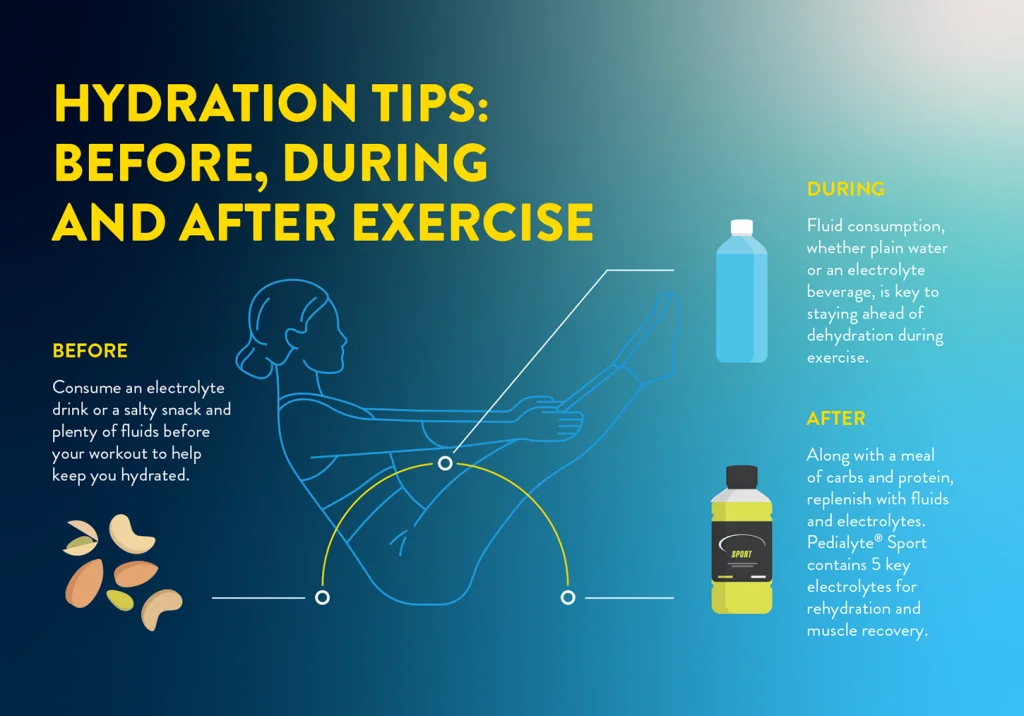
Physical activity increases fluid loss through sweat, making it important to adjust hydration accordingly. Activities of higher intensity or longer duration require increased fluid intake before, during, and after exercise. Incorporating hydration breaks and carrying water during workouts ensures the body stays replenished and performs optimally.
Hydration Considerations for Various Age Groups
Water needs vary across the lifespan. Children may not recognize thirst as effectively, so caregivers should encourage regular fluid intake. Older adults might experience reduced thirst sensation or other health factors affecting hydration. Tailoring hydration habits to age-related needs helps maintain balance and supports overall well-being.
How Climate and Environment Influence Your Fluid Needs
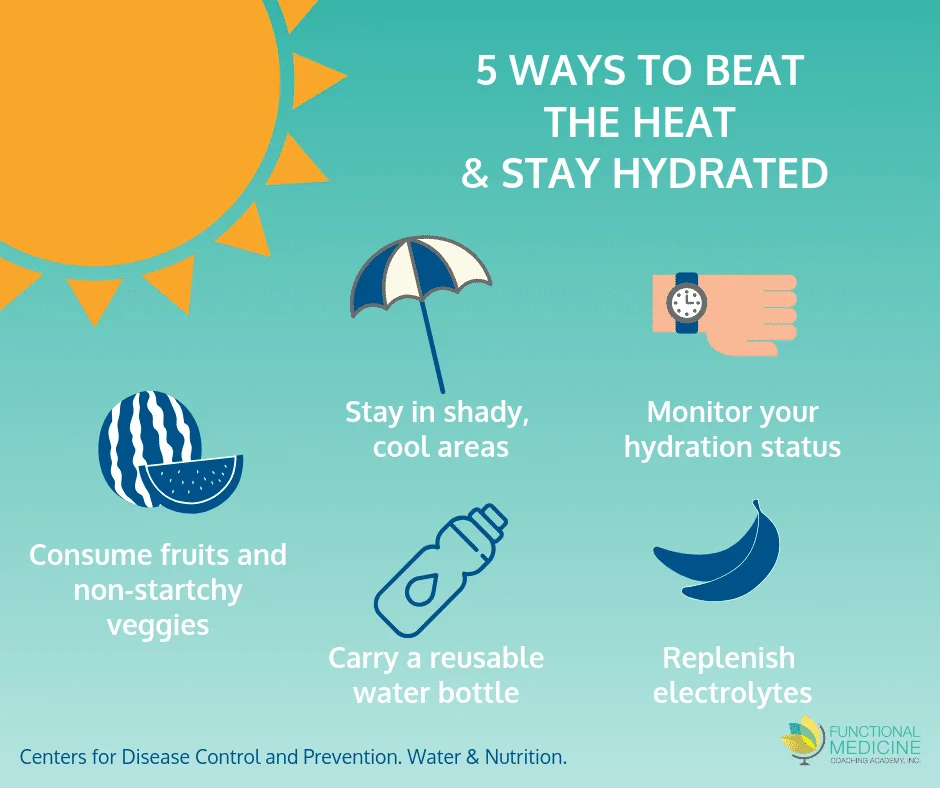
Environmental factors like hot weather, humidity, and altitude increase fluid requirements by accelerating water loss through sweat and respiration. In such conditions, consciously increasing water intake is essential to compensate for these losses. Staying aware of environmental influences allows for effective hydration adjustments to maintain health.
Hydration Myths and Facts
Debunking Popular Hydration Misconceptions
There are several common misbeliefs about hydration. For example, waiting until you feel thirsty to drink is often too late to prevent mild dehydration. Another misconception is that caffeinated beverages do not contribute to hydration; while excessive caffeine may have diuretic effects, moderate consumption still counts toward fluid intake. Additionally, sugary or highly sweetened drinks might seem hydrating but can add unnecessary calories and reduce overall hydration quality.
Evidence-Based Guidelines for Optimal Hydration
Scientific evidence suggests that hydration strategies should be individualized, considering factors like activity, age, and environment. Consistently drinking water throughout the day, choosing water over sugary drinks, and incorporating water-rich foods are foundational practices. Using the color of urine as a simple indicator of hydration status can guide daily fluid intake effectively. Ultimately, a balanced approach combined with mindful habits supports both hydration and nutritional health simultaneously.

