
































Understanding the Importance of Balanced Meal Plans for Busy Professionals
The Challenges Busy Professionals Face in Maintaining Nutrition
Busy professionals often find it difficult to maintain proper nutrition due to their hectic schedules. Long work hours, frequent meetings, and constant deadlines leave little time for planning and preparing wholesome meals. Additionally, the temptation of quick, processed foods can disrupt balanced eating habits. These challenges lead many to skip meals, rely on convenience foods, or grab unhealthy snacks, which can negatively affect their energy and overall well-being.
Benefits of a Balanced Diet on Productivity and Health
A well-balanced diet provides the essential nutrients necessary for sustained energy, focus, and mental clarity. Consuming the right combination of macronutrients and micronutrients supports brain function and physical stamina, helping professionals perform at their best throughout the day. Moreover, balanced meals contribute to long-term health benefits such as improved immunity, better weight management, and reduced risk of chronic diseases, enabling individuals to maintain a high quality of life.
Core Nutrition Basics Every Busy Professional Should Know
Macronutrients: Proteins, Carbohydrates, and Fats Explained
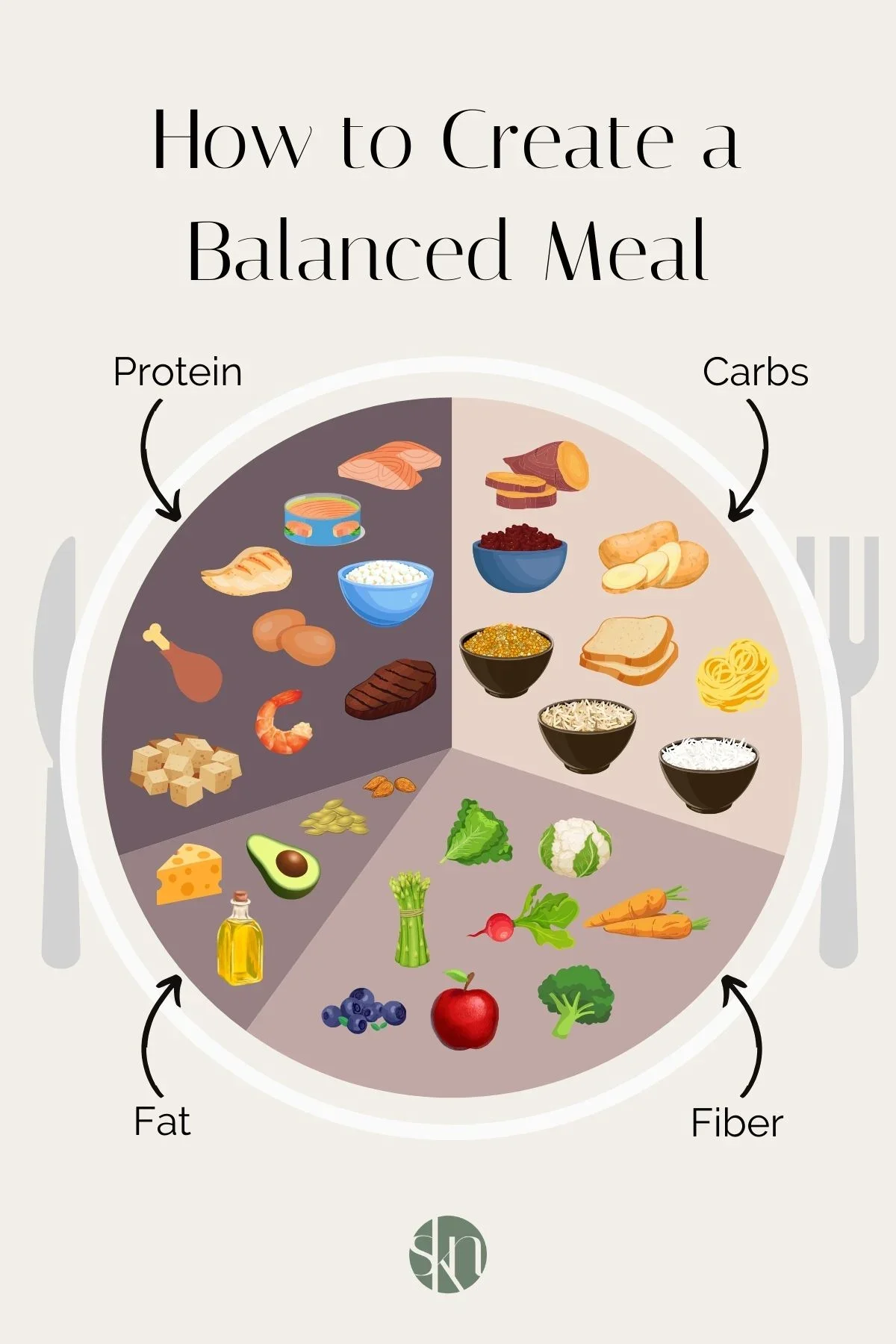
Understanding macronutrients is fundamental to creating balanced meals. Proteins are crucial for repairing tissues and sustaining muscle mass, while carbohydrates serve as the body’s primary energy source. Healthy fats support brain health and hormone production. A balanced plate typically includes a source of protein, complex carbohydrates like whole grains or legumes, and healthy fats such as nuts, seeds, or olive oil. Neglecting any of these components may result in energy dips or nutritional gaps.
The Role of Vitamins and Minerals in Daily Energy Levels
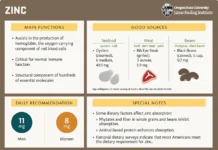
Vitamins and minerals, although required in smaller amounts, play critical roles in maintaining energy and metabolic functions. For instance, B vitamins contribute to energy metabolism, while minerals like iron help in oxygen transport within the body. A diet rich in fruits and vegetables ensures adequate vitamin and mineral intake. Neglecting these nutrients can lead to fatigue, lowered immunity, and decreased cognitive performance, making balanced inclusion essential for busy professionals.
Hydration and Its Impact on Mental and Physical Performance
Proper hydration often goes overlooked but is vital for maintaining both mental and physical performance. Dehydration can cause headaches, reduced concentration, and sluggishness. Drinking water before or during meals aids digestion and helps nutrient absorption. For busy professionals, staying hydrated prevents energy crashes and enhances overall alertness, making it a simple yet powerful component of a balanced meal plan.
Step-by-Step Guide to Creating a Simple Balanced Meal Plan
Assessing Your Nutritional Needs and Lifestyle Factors
The first step in crafting a balanced meal plan is understanding individual nutritional requirements and daily routines. Factors such as activity level, work hours, and personal health goals influence calorie and nutrient needs. Professionals should evaluate their typical day to determine meal timing and portion sizes that fit seamlessly into their schedule. This tailored approach prevents rigid meal plans and fosters sustainable healthy habits.
Choosing Quick, Nutritious Ingredients for Meal Prep
Selecting ingredients that combine speed with nutrition simplifies meal preparation. For instance, frozen vegetables provide a convenient way to add vitamins and minerals without extensive chopping or cooking time. Incorporating simple protein sources like nuts, yogurt, or canned beans ensures meals are satisfying and well-rounded. Stocking staples like whole grain bread, brown rice, and hummus encourages quick meal assembly and reduces decision fatigue.
Incorporating Variety and Flexibility to Avoid Meal Fatigue
Monotonous meals can lead to boredom and poor adherence to healthy eating. Including diverse ingredients and flavors helps maintain interest and motivation. Flexibility in meal planning allows substitution based on available ingredients or time constraints, preventing the pressure of perfection. Mixing different vegetables, proteins, and healthy fats throughout the week enhances nutrient intake and keeps meals enjoyable.
Meal Planning Tips Tailored for Time-Strapped Professionals
Batch Cooking and Freezing for Effortless Weekday Meals
Batch cooking is an effective strategy to combat limited time during busy weekdays. Preparing large portions of meals like soups, stews, or grain bowls in advance and freezing them allows quick reheating without sacrificing nutrition. This method reduces the temptation to opt for fast food and ensures balanced meals are always accessible. It also streamlines grocery shopping and minimizes daily cooking stress.
Smart Grocery Shopping Strategies to Save Time and Money

Efficient grocery shopping is essential for maintaining balanced eating without extra hassle. Planning meals ahead and creating a detailed shopping list helps avoid unnecessary purchases and multiple trips to the store. Choosing stores that offer pre-cut or pre-washed produce and buying in bulk for staple items can speed up meal prep. These strategies reduce time spent shopping and increase the likelihood of sticking to nutritious choices.
Using Technology and Apps to Simplify Meal Planning
Technology can be a valuable ally in streamlining meal planning for busy professionals. Various apps offer meal suggestions, grocery list generation, and nutritional tracking to simplify the process. These tools can help individuals organize their weekly meals, manage portion sizes, and keep track of hydration. Leveraging technology reduces the mental load of planning while promoting consistency in balanced eating habits.
Sample Meal Plan Templates to Jumpstart Your Nutrition
Breakfast, Lunch, and Dinner Ideas Under 30 Minutes
Quick meals packed with balanced nutrients can be easily prepared within 30 minutes. For breakfast, whole grain toast with peanut butter and a piece of fruit offers a nutritious start. Lunch might include a salad with mixed greens, beans, and a handful of nuts for protein. Dinner could be a stir-fry using frozen vegetables, brown rice, and lean protein sources. Such options combine simplicity and nutrition without requiring prolonged cooking.
Snacks and Smoothies to Keep Energy Levels Steady
Healthy snacks are essential to maintain steady energy throughout the day and prevent overeating during meals. Combining fruits with yogurt or nuts provides a satisfying protein boost. Smoothies made with leafy greens, fruits, and plant-based proteins can be prepared quickly and consumed on the go. These options address common mistakes like neglecting protein or skipping fruits and vegetables, promoting balanced nutrient intake between meals.
Maintaining Motivation and Consistency in Balanced Eating
Setting Realistic Goals and Tracking Progress
Achieving consistent balanced eating requires setting manageable goals that fit one’s lifestyle. Rather than aiming for perfection, focusing on small, regular improvements fosters long-term success. Tracking food intake, hydration, and energy levels can provide insight into what is working and where adjustments are needed. This approach helps busy professionals stay motivated and accountable without feeling overwhelmed.
Overcoming Common Obstacles and Stay On Course
Obstacles such as time constraints, social events, and stress often disrupt balanced eating plans. Preparing for these situations through flexible meal planning and having healthy snacks on hand can prevent lapses. It is also important to avoid getting discouraged by occasional missteps. Emphasizing progress over perfection and learning from mistakes helps sustain healthy habits and keeps nutrition goals on track despite the challenges of a busy lifestyle.

