































Understanding Mindfulness in the Workplace
What Is Mindfulness and Why It Matters at Work
Mindfulness is the practice of paying full attention to the present moment, calmly acknowledging and accepting one’s feelings, thoughts, and bodily sensations. At work, mindfulness matters because it helps reduce stress, increase concentration, and enhance emotional regulation. When employees become more mindful, they tend to respond thoughtfully rather than react impulsively to workplace pressures. This leads to improved decision-making, better communication, and overall higher productivity.
Common Challenges of Staying Mindful During Busy Days
However, staying mindful during a hectic workday is easier said than done. Many people struggle with multitasking, which fragments focus and drains energy quickly. Constant digital notifications interrupt concentration, making it difficult to stay present. Additionally, it’s common to spend time ruminating about past mistakes or anxiously forecasting future tasks, which pulls attention away from the current moment. Many workers also forget to pause and check in with themselves throughout the day, rushing through transitions without opportunities to reset.
Another misconception is believing mindfulness requires long or complex exercises, which discourages busy professionals from even attempting it. This often leads to automatic reactions like impatience or frustration during stressful moments, further reducing mental clarity and increasing emotional strain.
Quick Mindfulness Techniques to Try During Work Hours
Breathing Exercises to Reset Your Focus
A simple yet powerful technique to regain focus is to set a timer for 60 seconds and slow down your breathing. Taking three long, deep breaths can help center your mind and calm the nervous system. This practice acts as a reset button, allowing you to interrupt cycles of stress and distraction during your workday. It doesn’t require extra time or space—any moment when you feel overwhelmed can be an opportunity to pause, breathe, and return to the present.
5-Minute Meditation Practices for Desk Workers
For those at their desks, short meditation sessions can be surprisingly effective. Sitting comfortably with a straight spine, close your eyes or soften your gaze and focus on your breath or body sensations. Even a brief five-minute meditation encourages mindfulness and reduces tension accumulated from hours of screen time and multitasking. This practice promotes emotional regulation, helping you respond thoughtfully to stress rather than instinctively reacting.
Body Scan Techniques to Release Tension
Another mindful practice worth integrating is a quick body scan. This technique involves mentally observing areas of physical tension or discomfort, starting from the feet and moving upward. A body scan can be done discreetly at your workspace or during transitions between tasks. By tuning into bodily sensations, you become more grounded and aware, which helps you release stress before it builds up and impacts your focus and well-being.
Practical Tips for Embedding Mindfulness into Daily Routines
Mindful Transitions Between Tasks
Rushing between meetings, emails, or phone calls can magnify stress and reduce effectiveness. A mindful solution is to use these transition times to slow down with brief moments of awareness. Practices like a quick body scan, a mindful walk, or simply a quiet commute without distractions help reset the mind. This prevents burnout by allowing small pauses to reconnect and recharge, transforming how you move through your workday.
Using Breaks Effectively for Mental Clarity
Breaks are often wasted by mindless scrolling or multitasking, which undermines their restorative value. Instead, set intentions before breaks by asking yourself reflective questions such as how you want to show up after the pause or what qualities you want to cultivate. During breaks, try to avoid digital distractions and engage in practices like focused breathing or light physical activity coordinated with your breath. These habits promote mental clarity and keep your energy sustainable throughout the day.
Incorporating Mindful Eating at Lunch
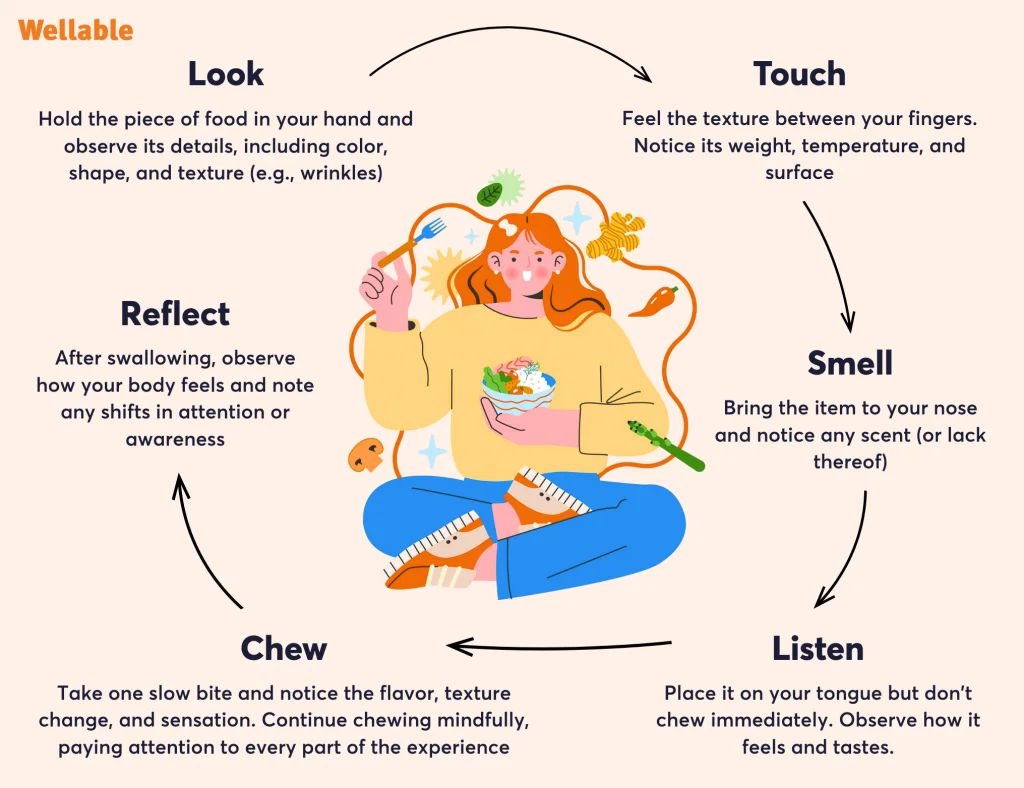
Many workers eat lunch quickly and mindlessly, often while distracted by screens or work emails. This drives unhealthy habits and diminishes the satisfaction and nutritional benefits of meals. Mindful eating involves paying full attention to the sensory experience of food—its taste, texture, aroma—and recognizing true hunger and satiety cues. Practicing mindfulness during meals supports digestion and emotional awareness, preventing overeating and improving overall wellness.
Technology and Mindfulness: Helpful Tools and Apps
Top Apps to Guide Mindfulness Moments
Technology can be an ally when used wisely. There are many apps designed to guide brief mindfulness sessions or provide calming sounds and reminders. These tools eliminate the guesswork, making it easier for busy individuals to incorporate mindfulness even during short breaks. Many apps offer guided meditations, body scans, and breathing exercises tailored to work environments, helping maintain consistency in practice.
Setting Digital Reminders for Mindful Pauses
One common challenge is simply remembering to pause and be mindful amid a busy schedule. Digital reminders, such as calendar alerts or notifications from mindfulness apps, serve as useful triggers to slow down. Sticky notes or desktop backgrounds with mindful prompts also act as visual cues. These reminders encourage frequent check-ins with yourself, allowing mindfulness to become a natural, integrated part of your daily routine rather than an added task.
Creating a Mindfulness-Friendly Work Environment
Encouraging Mindfulness Among Teams
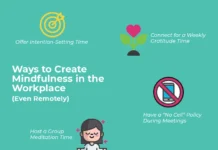
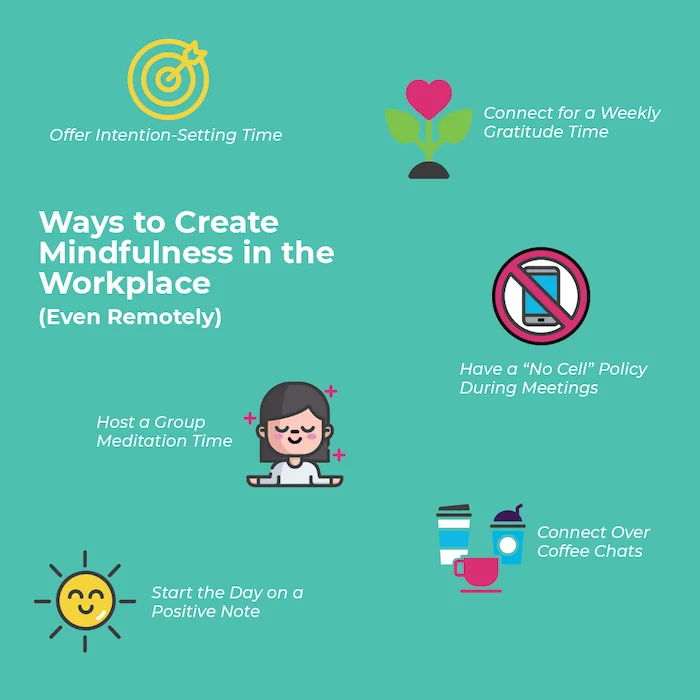
Mindfulness is not only beneficial for individuals but also for teams. Encouraging collective mindfulness can foster a culture of patience, empathy, and focused collaboration. Integrating brief group mindfulness sessions before meetings or providing training on mindfulness can improve team dynamics and reduce workplace stress. When teams support mindfulness, it can diminish reactive behaviors and encourage more thoughtful and compassionate communication.
Designing Spaces That Promote Focus and Calm
The physical work environment significantly influences mindfulness. Spaces that promote focus and calm should prioritize natural light, comfortable seating, and areas for quiet reflection. Encouraging decluttering helps prevent distractions, while designated quiet zones or rooms for mindfulness practice can signal the importance of mental well-being. Thoughtfully designed workspaces support employees in maintaining mindfulness amid the demands of a busy workday.

