




































Understanding the Role of Vitamin C in Immune Health
What Is Vitamin C and Why Is It Important?
Vitamin C, also known as ascorbic acid, is a vital nutrient that our bodies cannot produce on their own. This means it must be obtained through diet or supplements. It plays a crucial role in many bodily functions, from the growth and repair of tissues to the maintenance of cartilage, bones, and teeth. Beyond these functions, the importance of vitamin C stretches into the immune system, where it acts as a powerful antioxidant and helps fend off infections.
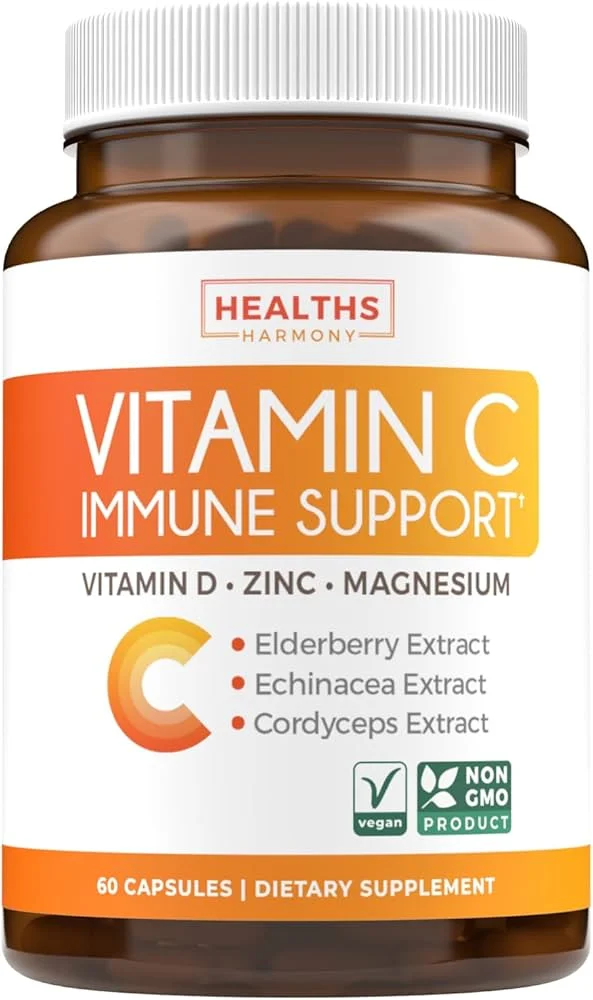
How Vitamin C Supports Immune Function
Vitamin C helps support the immune system by encouraging the production and function of white blood cells, which are frontline warriors in fighting off pathogens. It also protects these cells from damage caused by harmful molecules called free radicals. By maintaining the integrity of the skin and other barriers, vitamin C acts as the body’s first line of defense against viruses, including those responsible for cold symptoms like sore throats and runny noses.
Benefits of Vitamin C Supplements During Cold Season
Boosting Immunity in the Winter Months
As the cold season rolls in, many seek ways to strengthen their immunity. While natural sources of vitamin C are excellent, supplements can offer an additional boost, especially when fresh produce might be less available. Taking vitamin C supplements during colder months can help ensure consistent intake, potentially supporting your body’s defenses when you need them most.
Reducing Cold Duration and Severity
Although vitamin C supplements won’t completely prevent colds, some studies suggest they might reduce the duration and severity of symptoms. People who consistently take vitamin C may find their cold symptoms are not as intense and resolve more quickly. However, it’s important to note that this benefit is modest and supplements should be just one part of a broader approach to health.
Selecting the Right Vitamin C Supplement
Forms of Vitamin C: Tablets, Gummies, and Powders
Vitamin C supplements come in various forms including tablets, gummies, and powders. Tablets are convenient and often come in time-release formulas. Gummies offer a tastier option, ideal for those who dislike swallowing pills, while powders can be mixed into drinks for those seeking flexible dosing. Choosing the form that fits your lifestyle increases the likelihood of consistent use.
Dosage Recommendations for Immune Support
When selecting a dosage, it’s wise to stick with amounts that align with general health guidelines. For most adults, a daily intake of 75 to 90 milligrams from all sources is adequate, but during cold season some may take higher doses. It’s important to avoid excessive intake, as very high amounts can lead to unwanted side effects. Moderation is key to balancing benefits with safety.
Checking Quality and Purity of Supplements
Not all supplements are created equal. It’s essential to choose those from reputable brands that undergo rigorous quality testing. Look for products verified by independent organizations that certify purity and potency. This ensures you get an effective supplement free from contaminants or misleading ingredients.
How to Incorporate Vitamin C Into Your Daily Routine
Timing and Consistency for Maximum Effect
Consistency is crucial when taking vitamin C supplements. Taking them daily, preferably with meals, can help improve absorption and reduce stomach discomfort. Spreading the dose throughout the day, especially if taking higher amounts, may also enhance benefits and minimize side effects. Building this into your regular routine makes it easier to maintain steady levels in your body.
Combining Vitamin C with Other Immune-Boosting Nutrients
Vitamin C works well in synergy with other nutrients that support immunity. Nutrients like zinc, vitamin D, and elderberry have all been touted for immune support. While their effectiveness varies, combining vitamin C with a balanced diet rich in these nutrients offers a more comprehensive approach to bolstering your immune system during cold season.
Possible Side Effects and Precautions
Recognizing Symptoms of Excessive Vitamin C Intake
While vitamin C is generally safe, consuming too much can cause side effects. High doses might lead to digestive discomfort such as nausea, diarrhea, or stomach cramps. It’s important to monitor how your body responds to supplementation and adjust the dose accordingly to avoid these issues.
Who Should Consult a Doctor Before Supplementing?
Certain individuals should seek medical advice before starting vitamin C supplements. Those with kidney disorders, a history of kidney stones, or other chronic health conditions need to be particularly cautious. Pregnant or breastfeeding women should also check with their healthcare provider to ensure supplementation is safe. Always informing your doctor about any supplements you take helps prevent potential interactions or harm.
Enhancing Immune Health Beyond Supplements
Lifestyle Habits that Complement Vitamin C Use
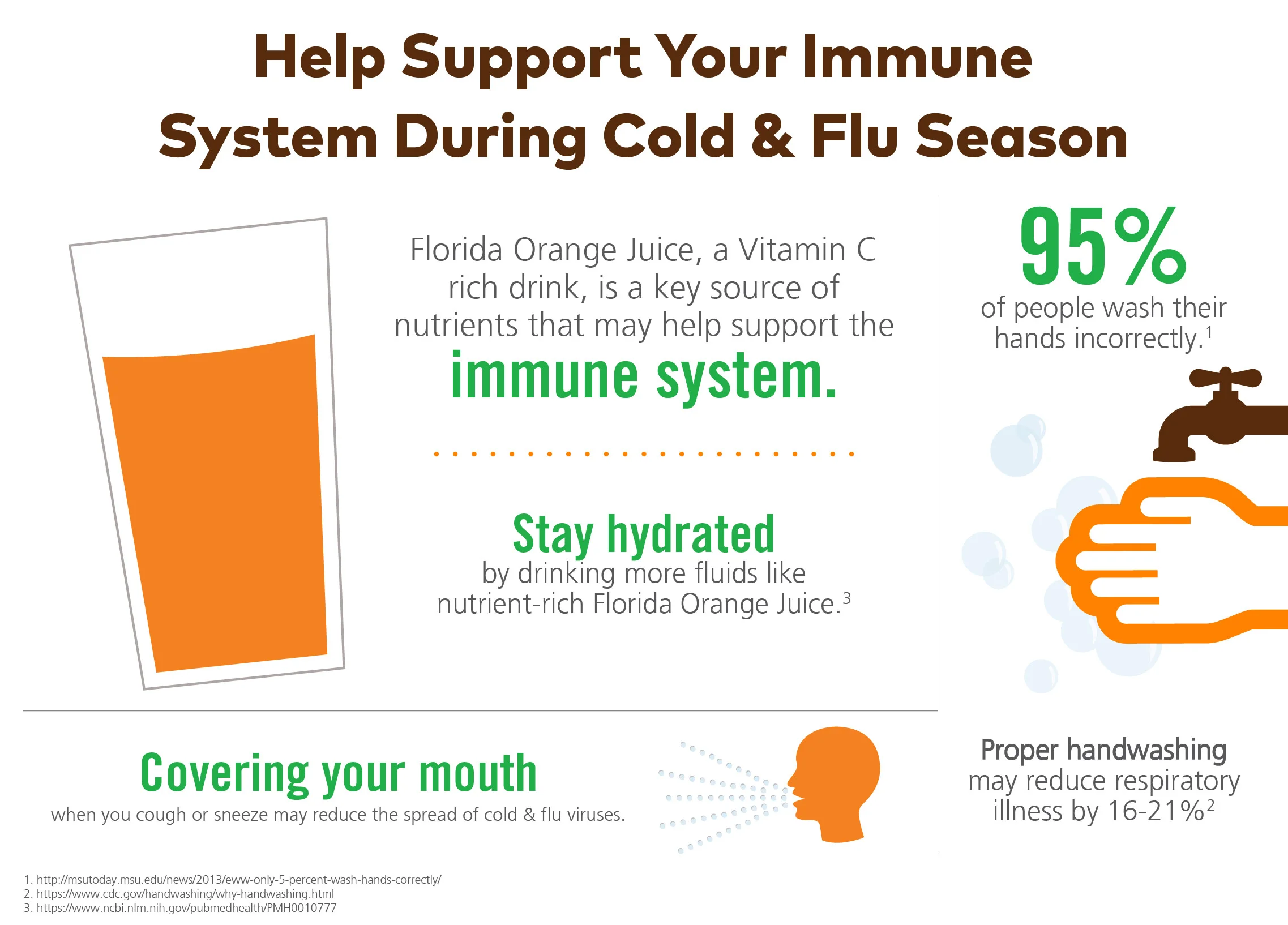
Supplements alone can’t guarantee immunity. Maintaining good hand hygiene remains the best defense against getting sick. Washing hands frequently and thoroughly breaks the chain of infection. Adequate sleep, regular physical activity, and staying well hydrated also strengthen the immune response, creating a protective environment alongside vitamin C supplementation.
Nutrition Tips to Naturally Increase Vitamin C Intake
A nutrient-rich diet is the foundation of immune health. Incorporating plenty of fruits and vegetables such as oranges, strawberries, kiwi, bell peppers, and broccoli naturally boosts your vitamin C levels. Relying on whole foods not only provides vitamin C but also delivers other essential vitamins, minerals, and antioxidants that work together to support your body’s defense system.

