




































Understanding Natural Immune Support
What Is the Immune System?
The immune system is the body’s defense network against harmful pathogens like bacteria, viruses, and other disease-causing organisms. It consists of cells, tissues, and organs working together to detect and eliminate threats. This complex system maintains balance through regulated immune cell production and deletion, ensuring a harmonious response to infections while avoiding overactivation that could harm the body.
How Lifestyle Influences Immunity
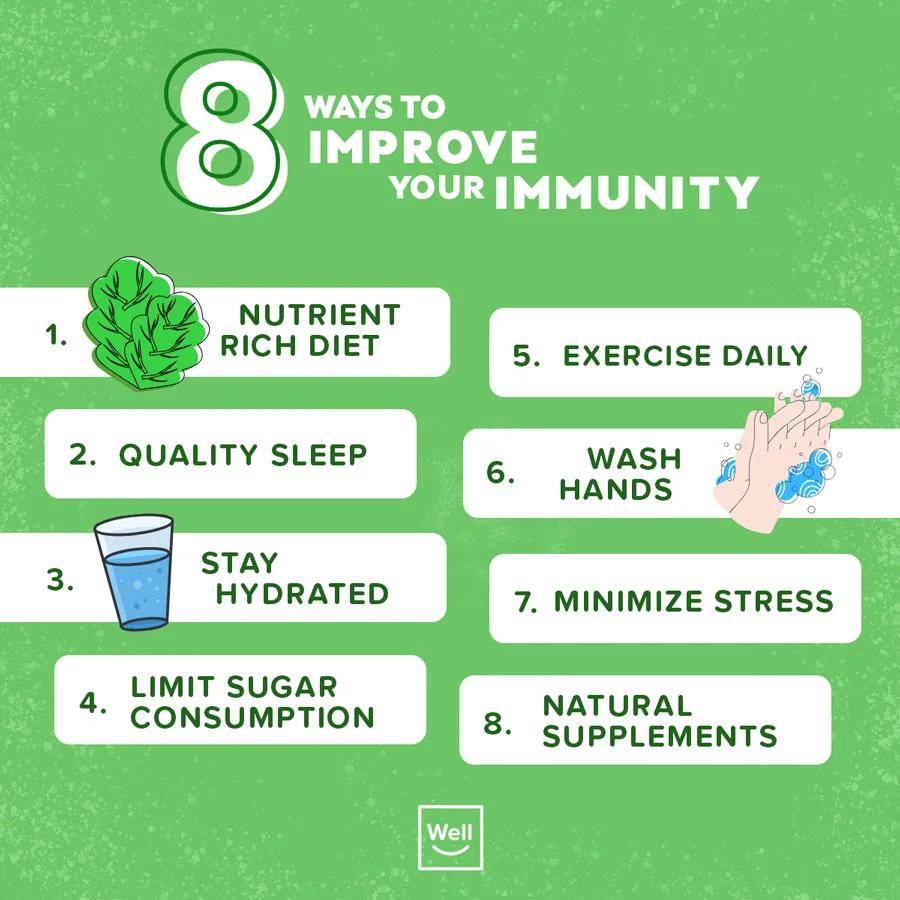
Everyday choices significantly impact immune function. Factors such as diet, exercise, sleep quality, and stress levels can either strengthen or weaken the immune response. For example, chronic stress and inadequate sleep suppress the production of infection-fighting proteins, while poor nutrition can lead to micronutrient deficiencies that impair immune cell production. Environmental exposures and behaviors like smoking also damage immune defenses, increasing vulnerability to illness. Embracing healthy lifestyle habits supports the immune system’s ability to protect the body effectively.
Top Easy Lifestyle Changes for Boosting Immunity
Incorporating Nutrient-Rich Foods
A diet rich in fruits, vegetables, nuts, and whole grains provides vital nutrients that fuel the immune system. Emphasizing plant-based and lean protein sources supports the production and function of immune cells. Micronutrients such as vitamin C and zinc, best obtained from whole foods, are crucial for immune defense. Avoiding processed foods and focusing on natural ingredients helps maintain the nutritional balance necessary for resilient immunity.
The Role of Regular Physical Activity
Engaging in moderate exercise, such as brisk walking or cycling for at least 150 minutes per week, enhances circulation and supports immune surveillance. Physical activity helps maintain a healthy weight, reduces inflammation, and can boost the production of infection-fighting cells. The key is consistency and moderation—exercising at a pace where conversation is comfortable but singing is difficult maximizes benefits without overstressing the body.
Prioritizing Quality Sleep

Sleep is a cornerstone of immune health. During rest, the body produces proteins that fight infections and regulates immune cell activity. Establishing good sleep hygiene—turning off screens an hour before bedtime, keeping the bedroom cool and dark, and maintaining a regular sleep schedule—improves sleep quality. Addressing insomnia or disruptions is important, as lack of sleep directly reduces the immune system’s efficiency.
Stress Management Techniques
Chronic stress leads to excessive cortisol release, which suppresses immune responses and increases susceptibility to illness. Incorporating relaxation practices such as meditation, deep breathing, or short mindfulness sessions can lower stress levels. Speaking openly about fears and seeking professional support when needed also helps maintain emotional balance. Reducing stress is essential for preserving immune system harmony and promoting overall health.
Hydration and Its Impact on Immune Health
Proper hydration supports all bodily functions, including the immune system. Water helps flush out toxins and ensures that cells function optimally. Dehydration can thicken mucus, reducing its ability to trap pathogens. Drinking adequate fluids, particularly water, throughout the day maintains mucosal defenses in the respiratory and digestive tracts. Staying hydrated is a simple yet vital part of natural immune support.
Natural Supplements and Herbs to Consider
Popular Immune-Boosting Supplements
Some supplements like vitamin C, zinc, and elderberry are commonly used to support immune health. While these can be helpful in certain situations, the best source for nutrients is a balanced diet rich in whole foods. Supplements may provide additional support during periods of increased need, but they should not replace healthy living habits. The concept of “boosting” immunity remains scientifically unclear, as the immune system requires balance rather than overstimulation.
Safety and Consultation Tips
Before starting any supplement regimen, it is important to consult a healthcare professional to avoid interactions or adverse effects. Supplements vary in quality and dosage, so choosing reputable brands is essential. Individuals with chronic health conditions or on medications should be particularly cautious. Using supplements wisely supports immune function without compromising safety.
Creating an Immune-Friendly Daily Routine
Morning Rituals That Enhance Immunity
Starting the day with nourishing habits sets a positive tone for immune health. A balanced breakfast that includes fruits and whole grains supplies energy and essential nutrients. Incorporating light movement, such as stretching or walking, improves circulation and alertness. Hydrating first thing upon waking helps rehydrate the body after sleep. These small steps support immune function throughout the day.
Evening Habits to Support Recovery
Winding down effectively aids the immune system’s nightly repair processes. Turning off electronic devices at least an hour before bedtime minimizes blue light exposure that disrupts sleep hormones. Creating a cool, dark sleep environment encourages restful sleep. Incorporating relaxation techniques such as gentle yoga or meditation calms the mind and prepares the body for restorative rest. These habits help the immune system recover from daily stresses.
Common Illnesses Reduced by These Lifestyle Changes
Colds and Flu Prevention
Improved nutrition, regular exercise, sufficient sleep, and stress reduction significantly lower the risk of colds and influenza. Vaccinations also play a vital role by priming the immune system to respond efficiently. Although vaccines may not prevent infection entirely, they reduce severity and complications. Consistent healthy behaviors strengthen the body’s defenses against these common viral illnesses.
Reducing Risk of Chronic Infections
Long-term infections caused by bacteria like Salmonella or persistent viral infections can be less frequent with a robust immune system. Avoiding risky behaviors such as smoking and excessive alcohol intake helps preserve respiratory and gut health, two critical barriers against pathogens. Maintaining a healthy lifestyle supports ongoing immune vigilance, helping to prevent chronic and recurrent infections that compromise wellbeing.

