































Understanding Immunity Challenges for Frequent Travelers
How Travel Affects the Immune System
Frequent travel exposes the body to a variety of new germs and foreign organisms, which can strain the immune system. Changes in routine, diet, and sleep patterns can weaken immune defenses. Moreover, physical stress, jet lag, and exposure to different climates compromise the body’s ability to respond effectively to pathogens.
Common Environmental Factors Impacting Immunity
Travelers encounter multiple environmental factors that challenge immunity. These include exposure to unfamiliar bacteria and viruses, contaminated surfaces, and allergens. Additionally, factors such as dehydration, disrupted circadian rhythms, and limited physical activity during travel further impair immune function, increasing susceptibility to illnesses.
Nutrition Strategies to Boost Immunity Naturally
Essential Vitamins and Minerals for Travelers
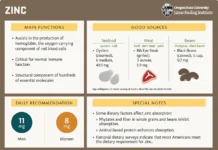
Maintaining a balanced intake of essential vitamins like C and A, as well as minerals such as zinc, is crucial for supporting immune health. These nutrients aid in the production and regulation of immune cells that fight infections. Including a variety of fruits, vegetables, and lean proteins helps travelers meet these nutritional needs despite a changing environment.
Incorporating Antioxidant-Rich Foods on the Go
Antioxidants protect cells from damage caused by free radicals and support immune resilience. For travelers, convenient options include berries, nuts, and leafy greens, which can be packed as snacks or incorporated into meals. Selecting minimally processed foods with natural antioxidant properties can help maintain immunity during travel.
Hydration and Its Role in Maintaining Immune Health
Best Fluids to Carry During Travel
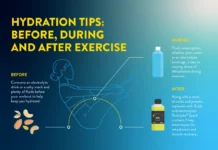
Proper hydration is essential for optimal immune function. Water remains the best choice, with coconut water as a valuable alternative to replenish electrolytes. Carrying a reusable water bottle encourages consistent fluid intake. Avoiding excessive caffeine and alcohol helps prevent dehydration, which can weaken immune responses.
Signs of Dehydration and How to Prevent It
Common signs of dehydration include dry mouth, fatigue, dizziness, and dark-colored urine. Travelers should consume fluids regularly and monitor these symptoms closely. Drinking water before feeling thirsty and adjusting intake based on activity level and climate can prevent dehydration-related immune suppression.
Sleep Hygiene for Immune Support in New Time Zones
Adjusting Sleep Patterns Effectively
Travel often disrupts sleep through jet lag and irregular schedules, which impairs immune function. Gradually shifting sleep times several days before departure helps realign the internal clock. Prioritizing recommended sleep hours supports immune recovery and reduces vulnerability to infections upon arrival.
Creating a Restful Sleep Environment While Traveling

Establishing a comfortable sleep setting enhances rest quality during travel. Using earplugs and eye masks can block noise and light disruptions. Wearing breathable layers allows temperature regulation, and calming pre-sleep routines such as reading or gentle stretching signal the body to relax and prepare for restorative sleep.
Physical Activity and Immune System Enhancement
Simple Exercises for Busy Travelers
Even with a hectic travel schedule, incorporating light exercise like walking or stretching supports immune health. Physical activity improves circulation, mood, and sleep quality, all of which contribute to a stronger immune response. Short sessions of movement can be done in hotel rooms or airports without special equipment.
Outdoor Activities That Promote Immunity
Spending time outdoors exposes travelers to natural sunlight, which helps reset circadian rhythms and boosts vitamin D production, essential for immune regulation. Activities such as walking in parks, yoga in open spaces, or light hiking stimulate both physical and mental well-being, enhancing overall immunity.
Stress Management Techniques to Strengthen Immunity
Mindfulness Practices for Frequent Flyers
Travel can be stressful, which directly impairs the immune system. Mindfulness techniques, including meditation and focused attention, reduce stress hormones and promote relaxation. Practicing these exercises before and during travel helps maintain immune balance.
Breathing Exercises and Their Benefits
Deep breathing exercises calm the nervous system and improve oxygen flow to the body’s cells. This practice lowers anxiety and encourages parasympathetic activation, supporting immune function. Incorporating breathing techniques during flights or layovers can assist in managing travel-related stress.
Natural Supplements and Herbal Remedies for Travelers
Safe Immunity-Boosting Supplements to Consider
Before travel, some individuals may benefit from supplements such as vitamin C, zinc, or probiotics to support the immune system. It is important to consult a healthcare provider to choose appropriate supplements and avoid excessive intake, which can be harmful.
Herbs Commonly Used for Immune Support
Herbal remedies like echinacea, elderberry, and ginseng have been traditionally used to enhance immunity. These natural options can be considered during travel but should be used cautiously and preferably under professional guidance.
Hygiene Best Practices While Traveling
Effective Handwashing Techniques
Hand hygiene is a primary defense against germs encountered in new environments. Washing hands thoroughly with soap and water for at least 20 seconds removes pathogens. Carrying hand sanitizer with at least 60% alcohol provides an alternative when handwashing facilities are unavailable.
Using Sanitizers and Avoiding Cross-Contamination
Frequent use of hand sanitizers and avoiding touching the face help reduce infection risk. Travelers should be cautious with shared surfaces and use disinfectant wipes on high-contact items like phone screens and airplane trays. These habits minimize exposure to harmful microbes.
Adapting to Local Environments Without Compromising Immunity
Gradual Exposure to New Microbes
Introducing the immune system gradually to new microbial environments can improve tolerance and reduce adverse reactions. Engaging in normal activities while practicing good hygiene allows the immune system to build resilience naturally rather than becoming overwhelmed.
Recognizing and Managing Allergies and Sensitivities
Travelers with allergies or sensitivities must remain vigilant to avoid cross-contamination and triggers. Using apps or local resources to identify safe foods and environments helps prevent flare-ups. Carrying emergency medications, such as epipens, ensures prompt response if reactions occur.
Conclusion: Building a Personalized Immunity Plan for Travel
Frequent travelers face unique challenges to their immune health due to exposure to new environments and lifestyle changes. By integrating tailored nutrition, hydration, sleep hygiene, physical activity, stress management, and hygiene practices, travelers can effectively strengthen their immunity. Consulting healthcare professionals before travel to address specific needs and preparing thoughtfully contribute to maintaining health and resilience throughout the journey.

