


































Understanding the Common Cold and Its Duration
What Causes the Common Cold?
The common cold is primarily caused by viruses, with rhinoviruses being the most frequent culprit. These viruses thrive in the nose and throat, where over 100 different strains of rhinoviruses can cause infections. Such viral infections disrupt the normal function of the respiratory tract, leading to the typical cold symptoms experienced by millions each year.
Typical Symptoms and Duration Timeline
Symptoms of the common cold generally include a runny or stuffy nose, sore throat, coughing, sneezing, and sometimes mild fatigue. Most individuals experience these symptoms peaking within two to three days after infection, with the overall duration lasting about a week. However, the length of the illness can vary depending on factors such as the person’s immune status and the specific virus strain involved.
The Importance of Zinc in Immune Function
How Zinc Supports Immune Health
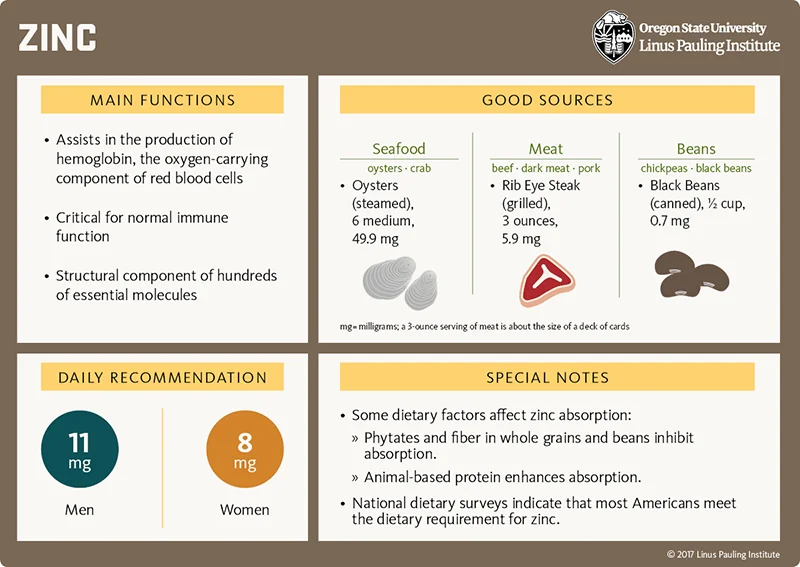
Zinc is an essential mineral that plays a critical role in maintaining a robust immune system. It influences various immune cells and helps regulate inflammatory responses, which are crucial for fighting infections. Deficiency in zinc can impair the body’s ability to respond effectively to pathogens, making individuals more susceptible to infections like the common cold.
Natural Sources of Zinc
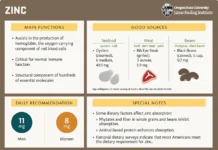
While zinc is available through supplements, it is naturally found in a variety of foods. Meat, shellfish, legumes, seeds, and nuts are rich in zinc content. Consuming a balanced diet with these sources helps maintain adequate zinc levels, which supports ongoing immune function and overall health.
Zinc Supplements as a Natural Remedy
Forms of Zinc Supplements Available
Zinc supplements come in several forms, including lozenges, sprays, and syrups. These products are designed to deliver zinc directly to the areas where cold viruses attack, such as the throat and nasal passages. Lozenges are particularly popular because they dissolve slowly in the mouth, potentially allowing zinc to interact with the mucous membranes effectively.
How Zinc Influences Cold Duration
Research suggests that zinc may reduce the duration of common cold symptoms by interrupting the virus’s ability to replicate. Laboratory findings indicate that zinc can block rhinoviruses from entering the cells of the respiratory tract, which may limit the spread and severity of infection. Taking zinc supplements early in the course of a cold appears to hold the most promise in shortening the illness.
Scientific Research on Zinc and the Common Cold
Key Studies and Their Findings
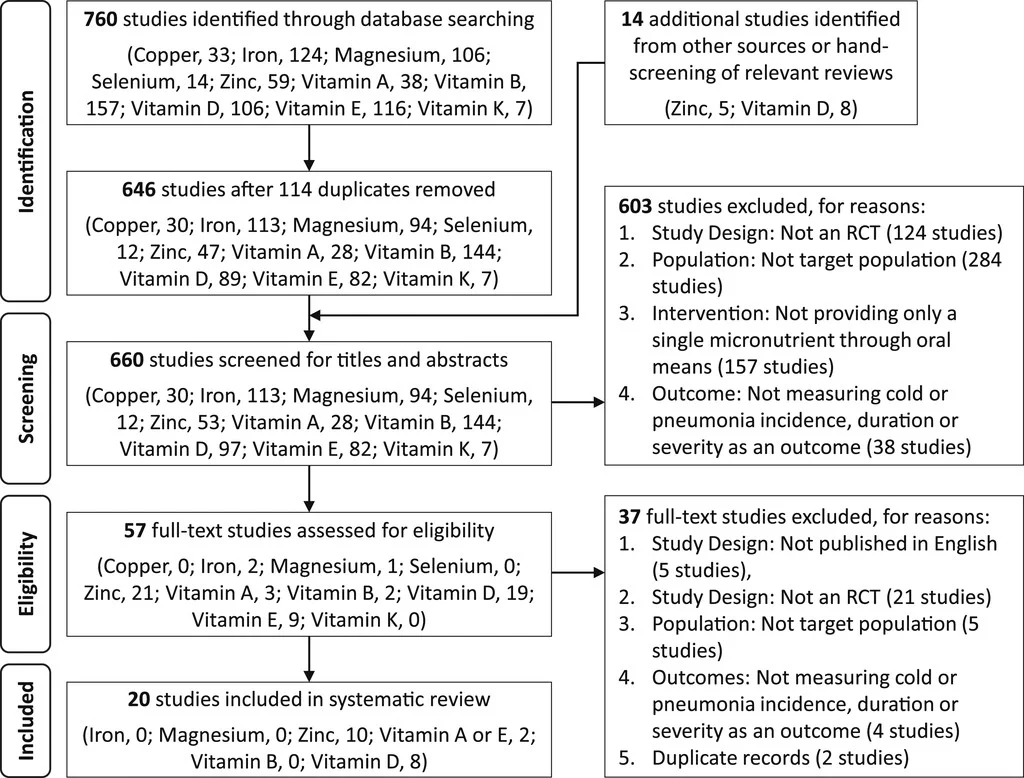
Several studies have explored the impact of zinc on cold symptoms. Results demonstrate that zinc lozenges and other forms can potentially reduce the length of a cold by approximately two days when taken within 24 hours of symptom onset. These findings align with the mineral’s antiviral properties observed in vitro, offering a biological basis for zinc’s practical benefits.
Controversies and Limitations in Research
Despite promising results, research on zinc’s effectiveness is not without controversy. The evidence is often limited by small sample sizes, inconsistent dosing regimens, and variations in zinc formulations. Additionally, the quality of some studies has been questioned, leading to uncertainty about the strength of recommendations for widespread use. More standardized and rigorous trials are needed to establish clear guidelines.
Best Practices for Using Zinc Supplements
Recommended Dosage and Timing
To safely benefit from zinc supplements, adults should generally limit intake to less than 40 mg per day unless a healthcare provider directs otherwise. Initiating zinc supplementation soon after cold symptoms appear is critical to achieving any potential reduction in illness duration. Consultation with a healthcare professional is strongly advised before starting any zinc regimen to tailor the dosage appropriately and avoid overconsumption.
Potential Side Effects and Interactions
While zinc is generally well tolerated, excessive intake can cause side effects such as nausea, an unpleasant metallic taste, and gastrointestinal issues including bowel discomfort. It is important to balance zinc’s potential benefits with these risks, especially when taking supplements for cold relief. Additionally, zinc can interact with certain medications, making professional guidance essential to ensure safe use.
Integrating Zinc with Other Natural Cold Remedies
Combining Zinc with Vitamin C and Echinacea
Some people explore combining zinc with other immune-supporting supplements like vitamin C and echinacea. While vitamin C is widely recognized for its antioxidant role and potential to support immune defenses, echinacea’s effectiveness remains debated. Using these supplements in conjunction requires careful consideration of dosages and possible interactions. Consulting a healthcare provider helps in creating a balanced approach to natural cold remedies.
Lifestyle Tips to Support Recovery
In addition to supplements, adopting supportive lifestyle habits can enhance recovery from a cold. Resting adequately, staying hydrated, and maintaining good hygiene reduce symptom severity and prevent further infection. Managing stress and avoiding smoking also help strengthen the immune response, complementing any benefits from zinc supplementation.
Conclusion: Is Zinc Worth Considering for Cold Relief?
Zinc supplements show promise as a natural way to reduce the duration of common cold symptoms, especially when used early and appropriately. However, due to variations in research outcomes and possible side effects, zinc is not a guaranteed cure but rather a complementary option. The safest approach involves consulting healthcare providers before use, monitoring dosage carefully, and considering zinc as part of a broader strategy that includes proper rest, nutrition, and hygiene. With ongoing research, clearer recommendations may emerge, but for now, zinc remains an accessible, potentially helpful tool for managing the common cold naturally.

