
































Understanding the Pressure: Why Time Management Matters for Busy Professionals
Meet Sarah, a marketing executive juggling client meetings, team deadlines, and family commitments. Despite working long hours, she constantly felt overwhelmed, stressed, and unable to enjoy her evenings. Like many busy professionals, the challenge wasn’t a lack of time but managing it effectively. When urgent tasks pile up and personal time slips away, stress naturally follows. Effective time management becomes crucial not just for productivity but for mental well-being. It allows professionals like Sarah to regain control, reduce anxiety, and create space for what truly matters.
Core Principles of Effective Time Management
Prioritizing Tasks: The Eisenhower Matrix
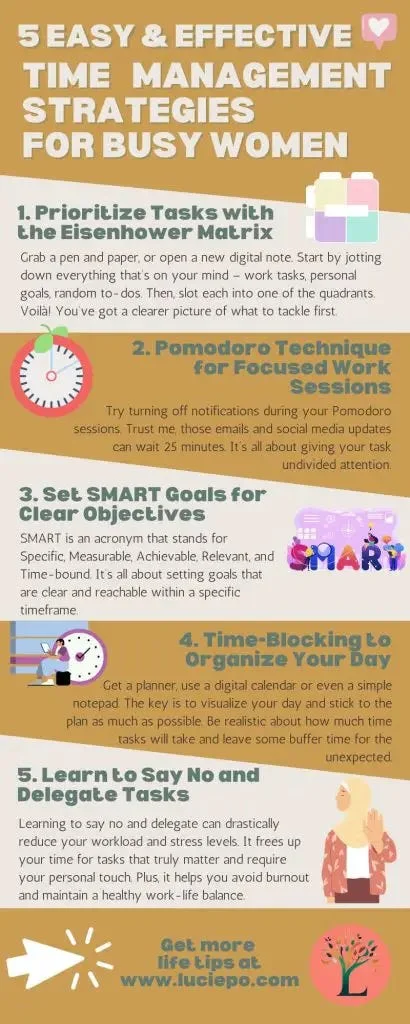
Imagine waking up to a cluttered to-do list with everything screaming for attention. This was Tom’s daily routine until he discovered the Eisenhower Matrix, a tool that categorizes tasks based on urgency and importance. By dividing his responsibilities into four quadrants, he quickly learned to focus on what required immediate attention and delegate or defer less critical tasks. This simple yet powerful method helped Tom eliminate time wasted on distractions and gave him a clearer perspective on daily priorities.
Setting SMART Goals
Jane, an IT consultant, used to set vague goals like “improve client communication.” She often felt aimless, unsure if she was making progress. When she transitioned to using SMART goals—Specific, Measurable, Achievable, Relevant, and Time-bound—her focus sharpened. Instead of a broad objective, she set a target to “schedule weekly check-ins with each client every Monday morning for the next three months.” This clarity prevented overwhelm and fostered steady progress, illustrating the power of achievable goal-setting in effective time management.
Time Blocking and Scheduling Techniques
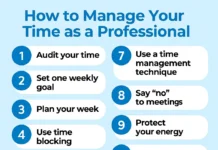
Michael, a busy attorney, struggled with constant interruptions that broke his concentration. To regain control, he started time blocking: allocating specific chunks of time to particular tasks throughout the day. By scheduling periods for focused work, meetings, and breaks, Michael transformed his chaotic schedule into a structured plan. This approach not only improved his productivity but also made his workload feel more manageable, as he could visually track where his time was going.
Practical Strategies to Implement Daily
Using Technology to Your Advantage
In the digital age, busy professionals like Anita leverage apps for calendar management, task tracking, and reminders. Tools such as digital calendars allow seamless syncing across devices, ensuring no meetings or deadlines slip through the cracks. Task management apps help prioritize and break down projects into smaller steps, reducing overwhelm. When used thoughtfully, technology can be a powerful ally in managing time, but caution is needed to avoid digital distractions that can steal focus.
Delegation: When and How to Pass Tasks On
When Raj, a project manager, first started delegating, he worried about losing control or overburdening colleagues. Over time, he realized that effective delegation meant selecting the right tasks and trusting his team’s capability. By assigning routine or less critical tasks to others, he freed up time for strategic planning and decision-making. Delegation not only lightened Raj’s schedule but also empowered his team members to develop new skills, proving it’s a win-win strategy when done thoughtfully.
The Importance of Breaks and Mindfulness
Clara’s days were packed with back-to-back meetings, leaving her mentally drained. She began scheduling short breaks to practice mindfulness, even if only for five minutes. Sitting quietly, focusing on her breath, or gently stretching helped Clara reset her mental clarity and reduce stress. Being present in the moment, without judgment, allowed her to approach tasks with renewed energy and fewer errors, highlighting how small pauses can significantly enhance time management and wellness.
Common Time Management Pitfalls and How to Avoid Them
Busy professionals often fall into traps like multitasking, underestimating time requirements, or failing to set boundaries. For example, John used to juggle emails during meetings, which reduced his effectiveness in both. Overcommitting can lead to burnout, while unclear priorities cause tasks to linger unfinished. Avoiding these pitfalls requires self-awareness and the discipline to say no when necessary. Maintaining a stress diary can be an insightful practice, helping to identify patterns in how time is lost or misused and guiding adjustments for better balance.
Stress Reduction Through Optimized Time Use
Linking Time Management with Emotional Well-being
Time management is not just about ticking off tasks; it plays a critical role in emotional health. When professionals like Lisa began organizing her day with realistic goals and regular mindfulness breaks, she noticed a decrease in anxiety. Exercise, even in brief bouts like taking the stairs or quick desk workouts, helped boost endorphins and clear her mind. These shifts created a positive feedback loop where better time use directly contributed to feeling calmer and more in control.
Creating a Balanced Work-Life Integration
David, a corporate consultant, struggled with blurred boundaries between work and personal life, often answering emails late at night. By consciously setting limits—like turning off work notifications after hours and protecting family time—he improved his overall well-being. Prioritizing self-care activities such as relaxing hobbies or social interactions helped David recharge. Over time, integrating work and life with clear boundaries became essential in managing stress and maintaining sustained productivity.

