































Understanding Digital Distractions
Common Sources of Digital Distractions at Work
In today’s hyper-connected world, digital distractions are everywhere. Notifications from social media, instant messaging apps, frequent email alerts, and even personal browsing tempt us away from work. Smartphones, tablets, and multiple browser tabs can pull our attention in different directions, often without us realizing how much our focus has splintered.
Beyond the obvious, even well-meaning tools like collaboration platforms or project management apps may contribute to constant interruptions if not managed carefully. These distractions blur the line between productive communication and disruptive noise, making it harder to stay in deep focus for sustained periods.
Impact of Digital Distractions on Productivity
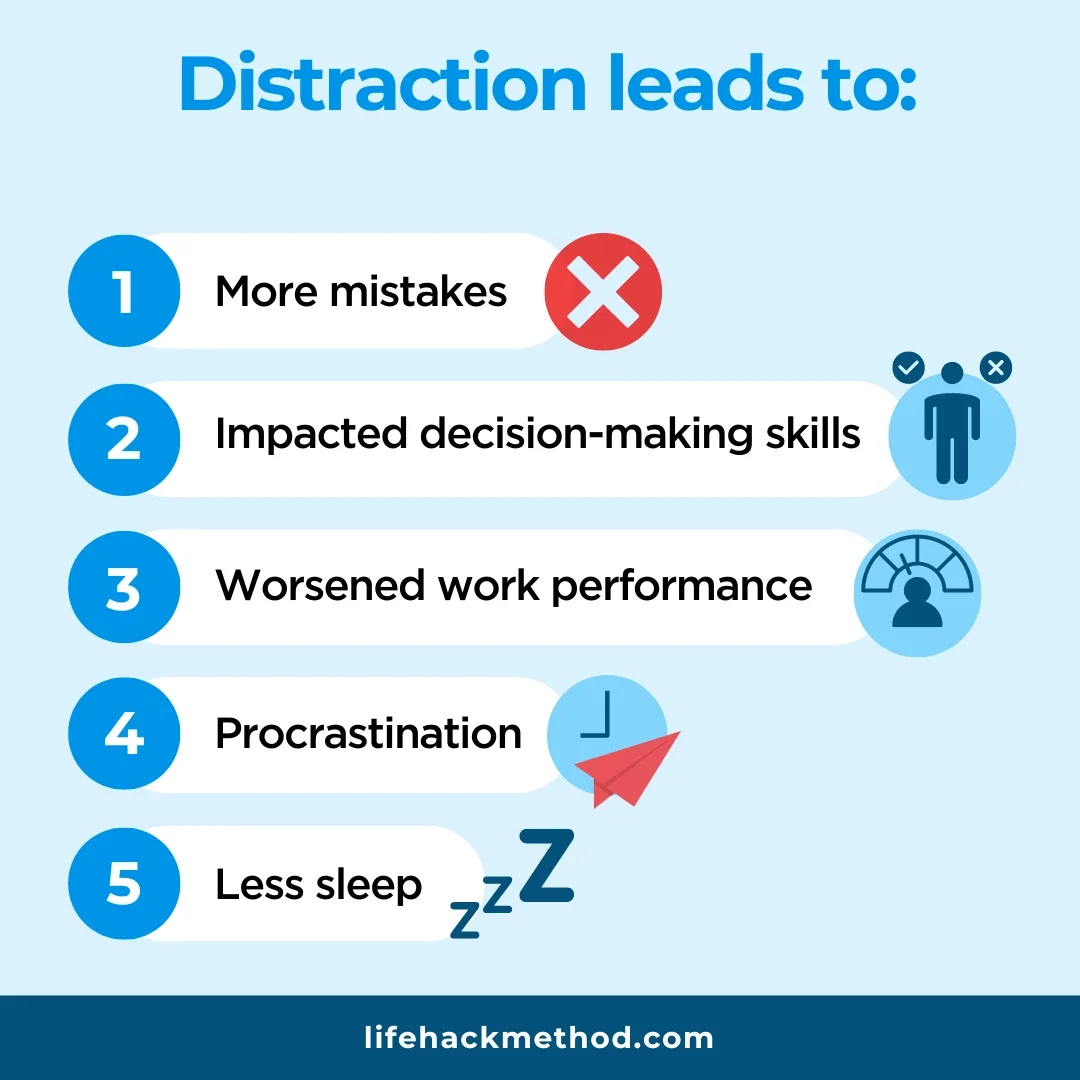
The effects of digital interruptions aren’t just annoying—they can seriously undermine our productivity. Constant shifts in attention break the flow of work, requiring extra time to regain focus. Studies suggest it can take up to 23 minutes to fully refocus after a distraction.
Over time, this fragmented attention leads to increased errors, missed deadlines, and higher stress levels. It’s a vicious cycle where distractions cause us to work less efficiently, which in turn heightens frustration and makes it more tempting to seek instant digital gratification.
Assessing Your Digital Habits
Tracking Time Spent on Non-Work-Related Apps
The first step to cutting down distractions is understanding your current habits. Many of us underestimate how long we spend checking social media, news sites, or entertainment apps during the workday. Using time-tracking tools or app usage reports built into smartphones can provide eye-opening insights.
By monitoring where your attention drifts, you can identify specific platforms that are the biggest culprits. This awareness is critical—it transforms vague feelings of distraction into concrete data that you can act on.
Identifying Peak Distraction Moments
Beyond just knowing which apps consume your time, it’s helpful to recognize when distractions hit hardest. Are mornings filled with emails pulling you in too frequently? Does your focus wane after lunch, leading to more social media browsing?
Pinpointing these peak distraction periods allows you to anticipate challenges and make targeted changes. For instance, scheduling intensive work for your optimal focus times and designating periods for lighter, more interruptible tasks can make a big difference.
Implementing Technology-Based Solutions
Using Apps to Block or Limit Distractions
Luckily, there are digital tools designed to help manage distractions. Apps that temporarily block access to social media or restrict notifications during work hours can create a virtual barrier between you and attention-grabbing sites.
Setting these boundaries intentionally lets you reclaim control over your digital environment. For example, configuring “focus mode” on your phone or desktop can minimize interruptions and maintain your momentum on crucial projects.
Optimizing Notifications Settings
Notifications are a double-edged sword. While they keep us informed, they can also disrupt focus at inopportune moments. Customizing notification preferences to prioritize only essential alerts reduces unnecessary distractions.
Turning off non-urgent notifications or batching them to specific times means you’re less likely to respond immediately to every ping. This practice helps build a healthier digital rhythm, where communication happens on your terms instead of reacting constantly.
Creating a Workspace Conducive to Focus
Organizing Your Digital Environment
A cluttered digital workspace can be just as distracting as a messy physical desk. Keeping your desktop tidy, organizing files into clear folders, and limiting open tabs can reduce the mental noise competing for your attention.
Streamlining access to the tools you need for work supports deeper concentration. Being intentional about the software, apps, and devices you use not only supports productivity but also overall satisfaction with your work setup.
Minimizing Physical Clutter to Reduce Digital Temptations
Physical surroundings greatly influence how we engage with digital devices. A cluttered desk can foster mindless phone checking or logout from work. Removing unnecessary items and keeping your workspace clean helps cultivate an atmosphere of focus.
When your environment signals organization and calm, you’re less tempted by digital distractions. This clarity translates into improved mental clarity, making it easier to dive into demanding tasks.
Establishing Effective Work Routines
Time Blocking and Scheduled Breaks
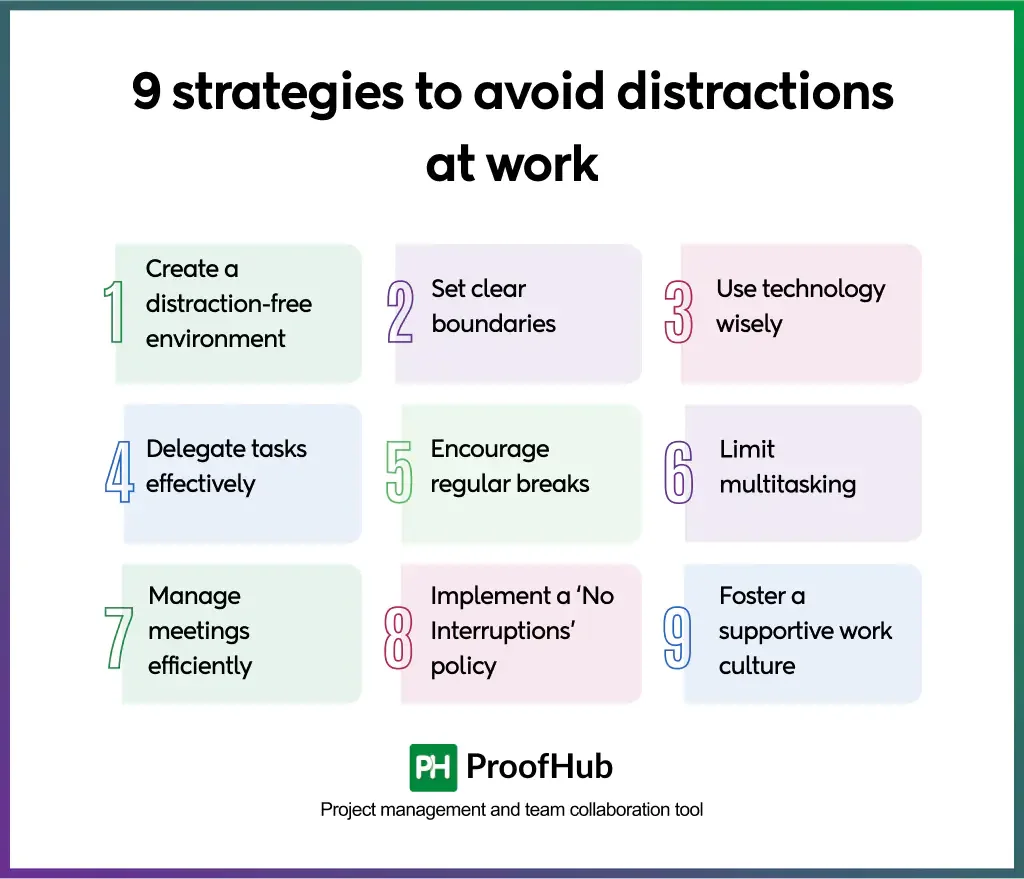
Adopting time blocking—allocating specific chunks of time for focused work—enables better control over distractions. During these blocks, turning off notifications and limiting app usage can help maintain unbroken attention.
It’s equally important to schedule breaks intentionally. Using these intervals to be active, such as taking a walk or stretching, refreshes your brain and provides a healthy distraction from work, making it easier to come back energized and attentive.
Incorporating Mindfulness Techniques
Mindfulness practices, like brief meditation or focused breathing, can train your brain to recognize when it’s being pulled away by distractions. Incorporating these techniques during breaks or transition times helps build stronger mental resilience against digital interruptions.
Mindfulness also promotes greater presence in your work, improving both quality and enjoyment. Over time, these habits foster a calmer, more controlled approach to managing digital noise.
Leveraging Team Practices
Communicating Availability to Reduce Interruptions
When working with a team, setting clear expectations around availability plays a crucial role in minimizing digital distractions. Notifying colleagues when you have blocked out time for deep focus signals that interruptions should be limited to urgent matters.
Establishing these boundaries fosters respect for individual work rhythms and reduces random, disruptive messages. This simple communication can transform the culture around digital interactions in a team.
Promoting a Culture of Focused Work
Encouraging a workplace culture that values concentrated effort over constant connectivity benefits everyone. Using tools that allow collaboration on-screen, for example, reduces the need to switch between multiple devices or apps, saving time and maintaining focus.
When teams collectively prioritize deep work and minimize unnecessary digital noise, productivity and satisfaction rise. Cultivating shared practices around digital discipline creates an environment where focus flourishes.
Monitoring Progress and Adjusting Strategies
Regularly Reviewing Digital Distraction Levels
Managing digital distractions is an ongoing process. Regularly reviewing how much time is lost to non-work-related digital activities helps keep efforts on track. Checking in on your digital habits provides opportunities to celebrate progress and recalibrate as needed.
This reflective practice ensures that distraction-reduction strategies remain effective and evolve with changes in work demands or technology.
Adapting Techniques Based on Effectiveness
No single approach fits all situations forever. Adapting your methods—whether refining notification settings, trying new apps, or adjusting work routines—keeps your efforts fresh and responsive to your needs.
By continually experimenting and fine-tuning your strategies, you build a personalized system that minimizes digital distractions and maximizes productivity in a sustainable way.

